Territorial Reclamation
Territorial Reclamation is the practice of world-making: selecting, arranging, and stabilizing relations so space emerges. Dispositives—residencies, festivals, radios—act as assemblages whose coordinated functioning reveals territories and establishes new regimes of relevance.
Mangiabarche Gallery
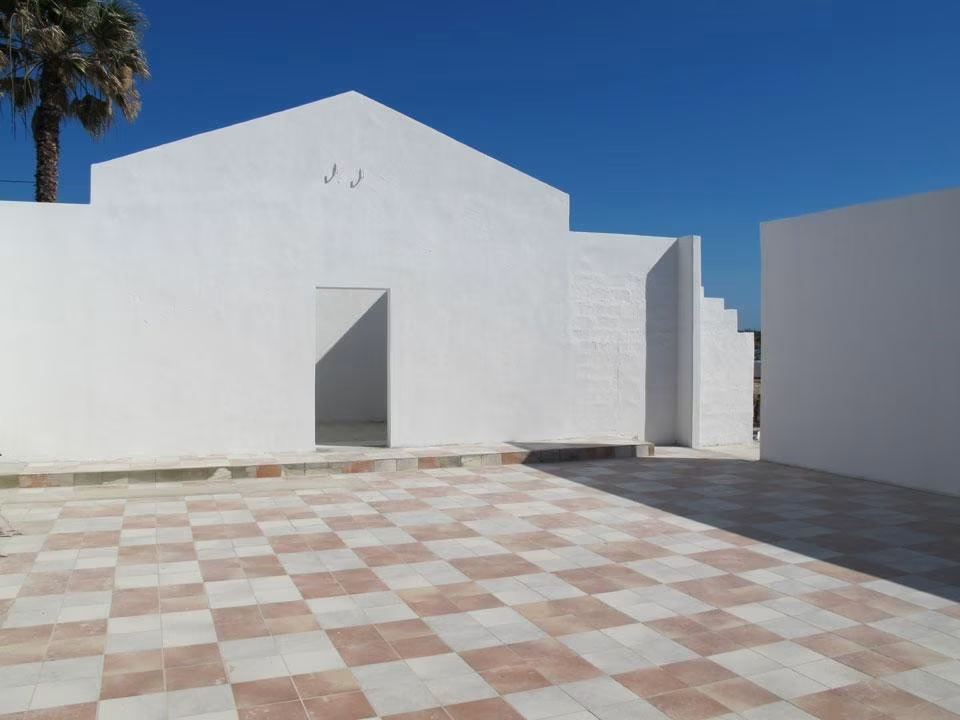
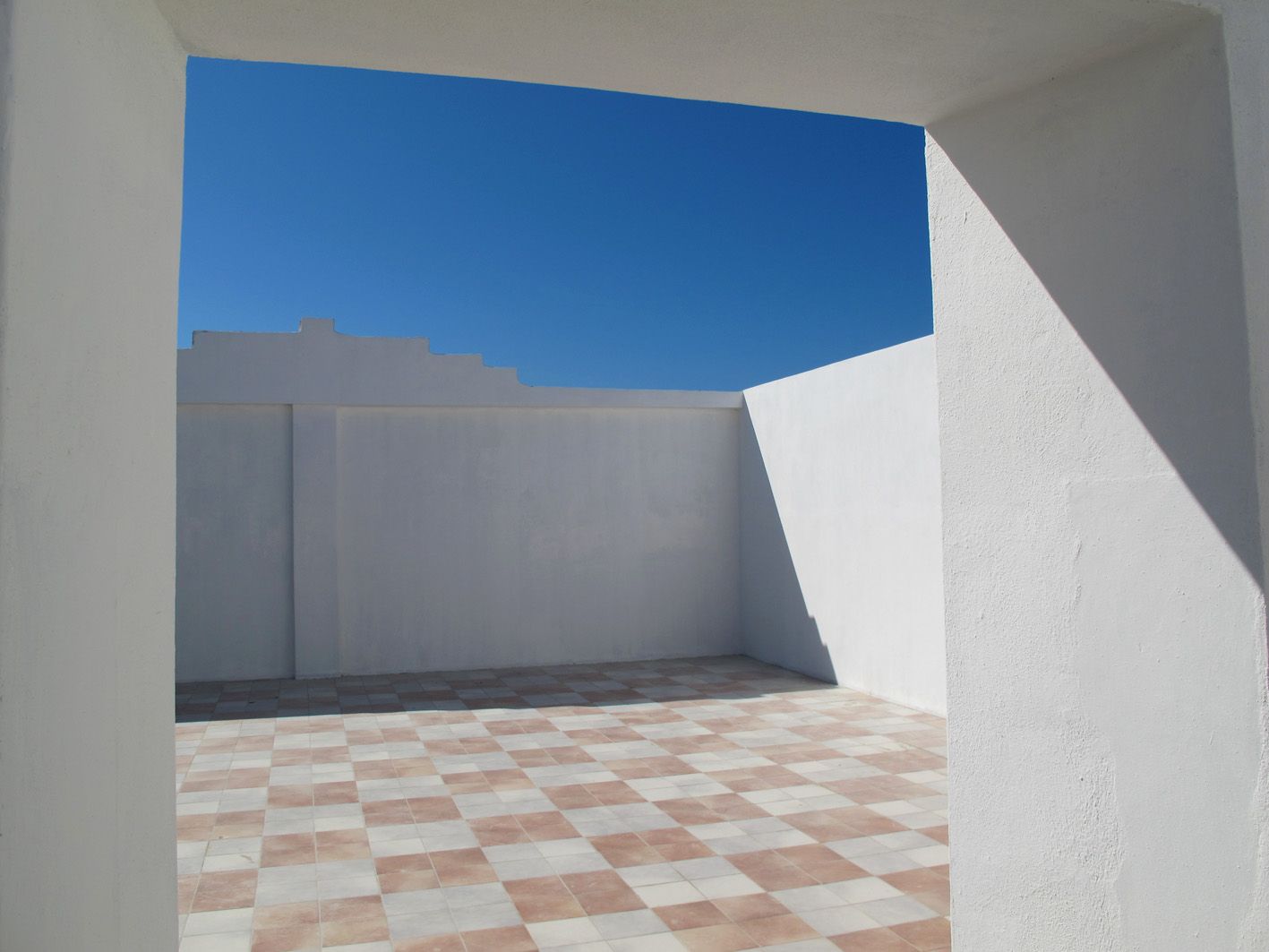
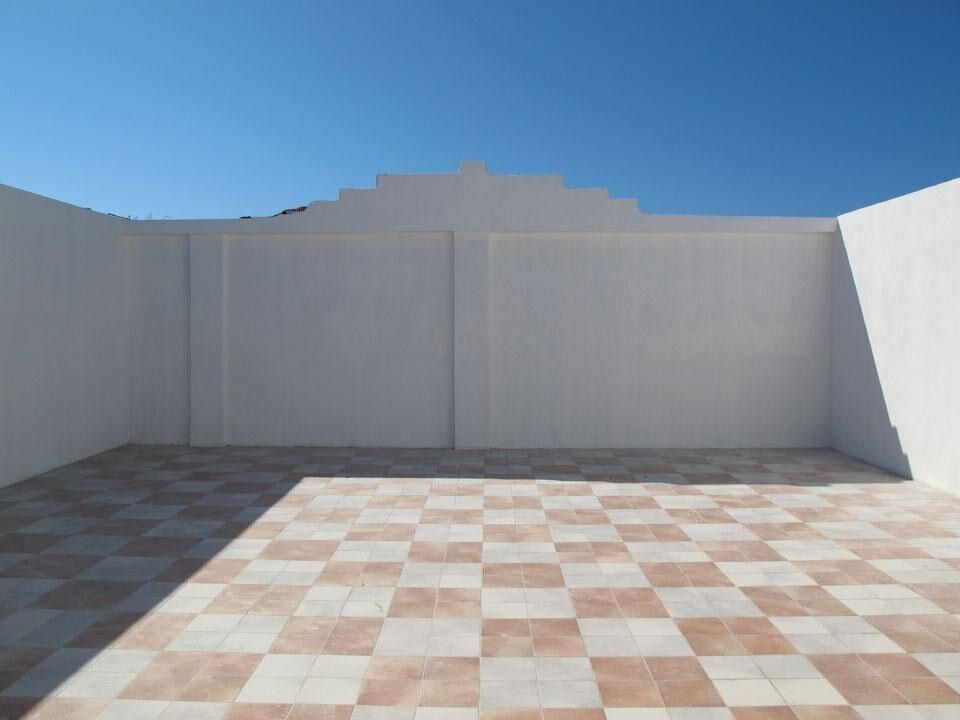
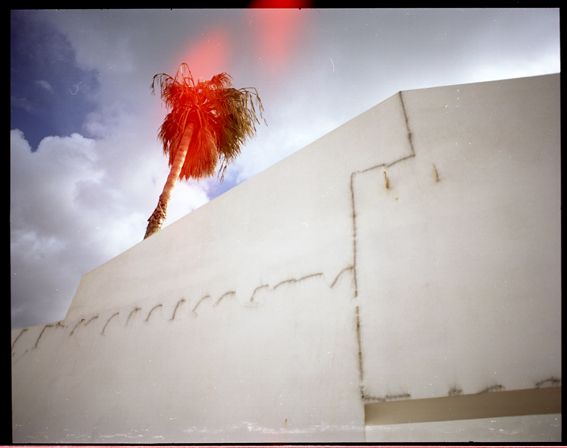
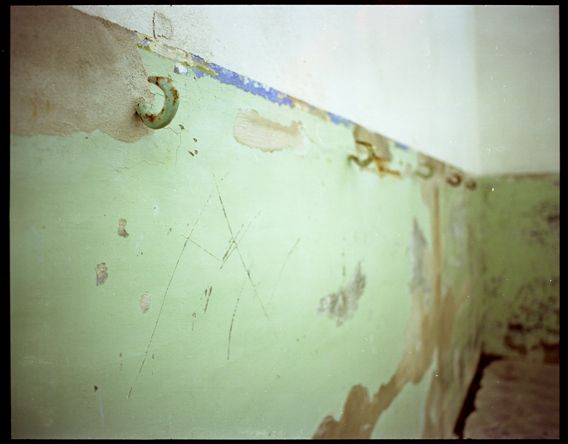
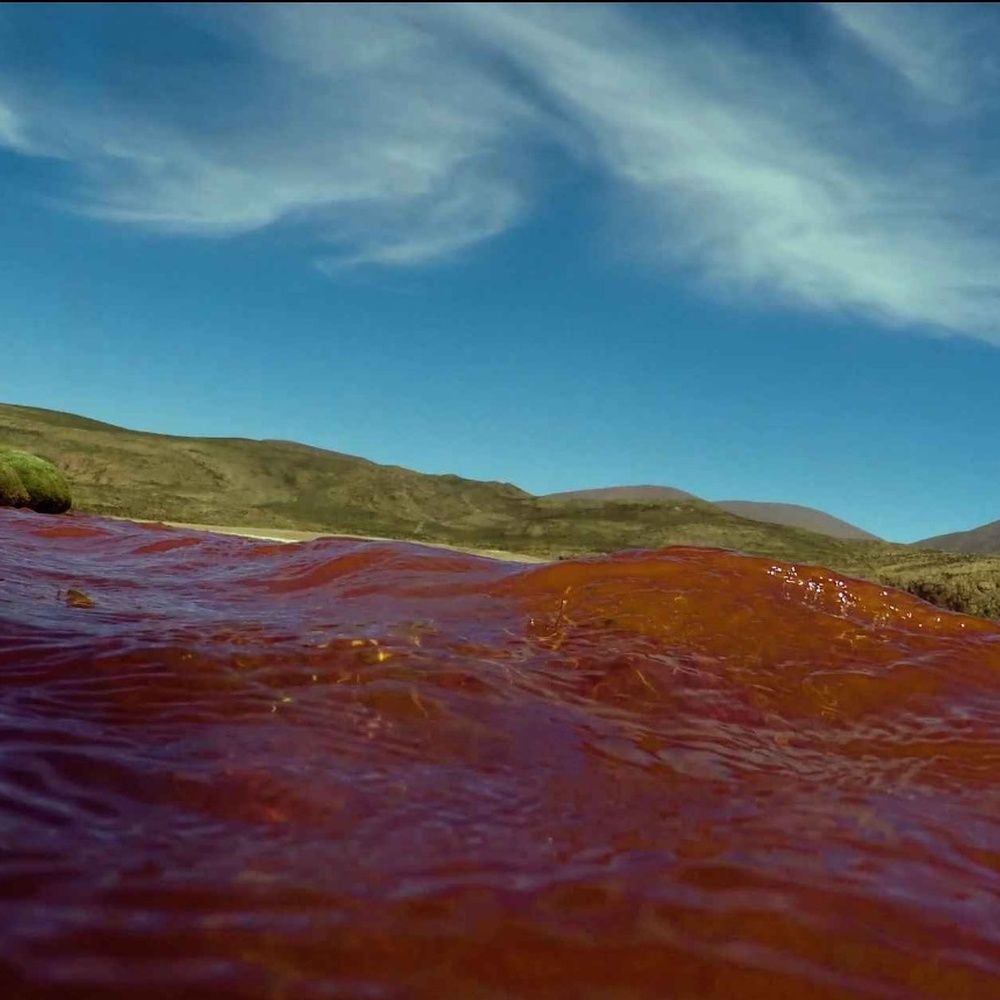
Conceived by Stefano Rabolli Pansera as part of Beyond Entropy Mediterranean, Mangiabarche Gallery occupies a former military building on the Sardinian coast, in Calasetta. Inspired by the Legge Salvacoste, the regional legislation protecting Sardinia’s coastline from new construction, the project proposes a radical inversion: rather than adding new volumes, architecture operates through subtraction.
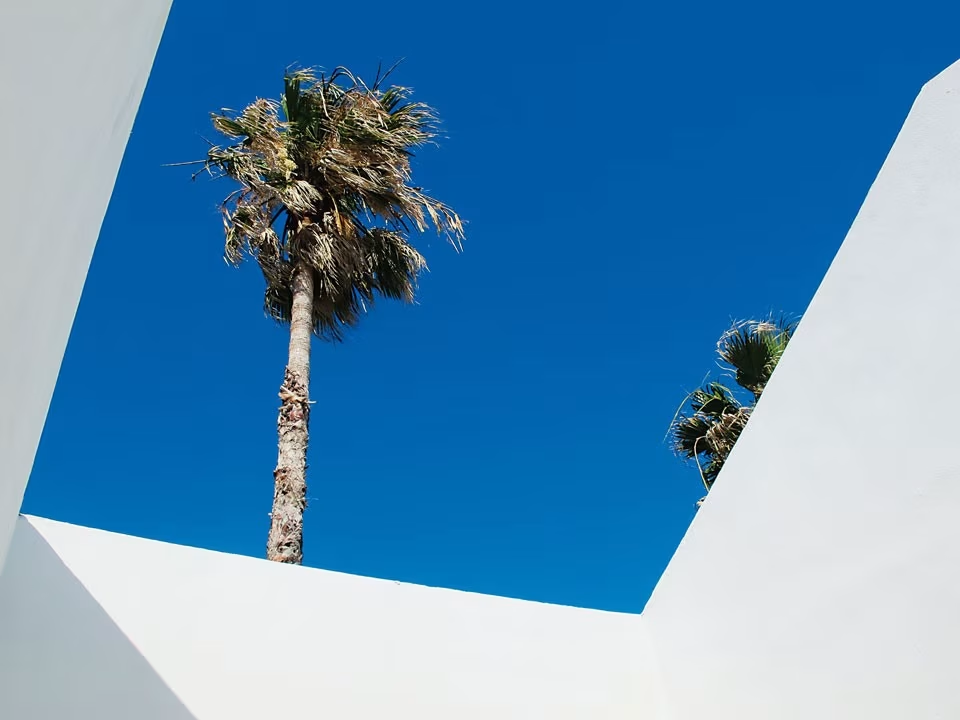
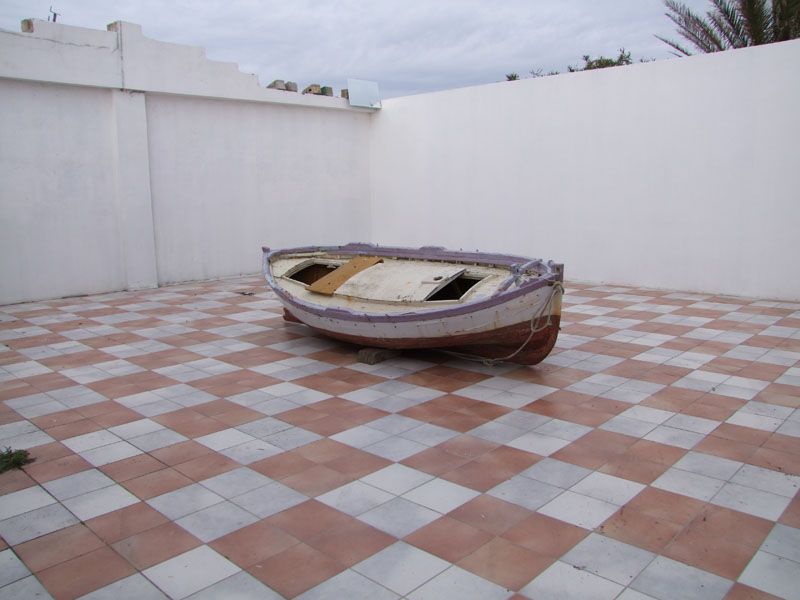
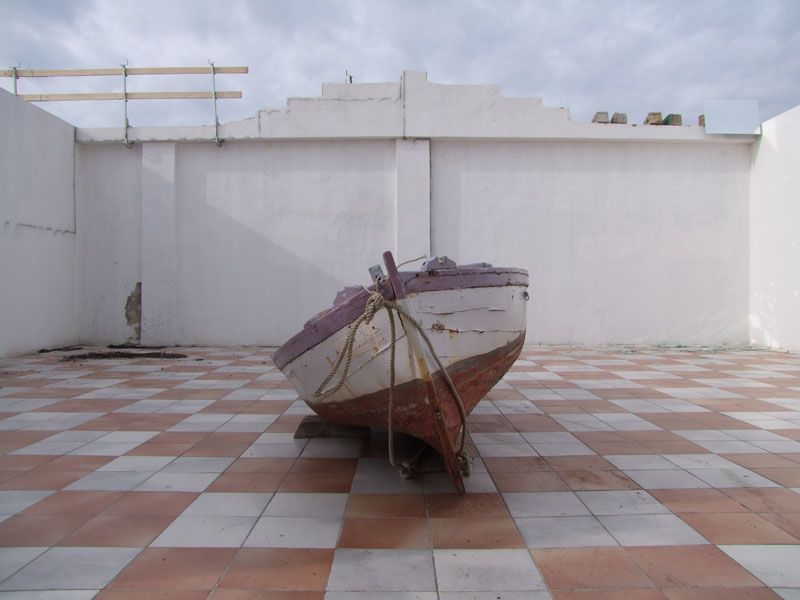
By removing the building’s roof, Mangiabarche loses its enclosure and gains a horizon. This architectural gesture is simultaneously a curatorial proposition: a space exposed to the elements and a programme open to transformation. Wind, rain, sunlight and time become active agents in artistic production. Rather than replacing one another, interventions accumulate, overlap and deteriorate, allowing each new work to engage with the traces of its predecessors.
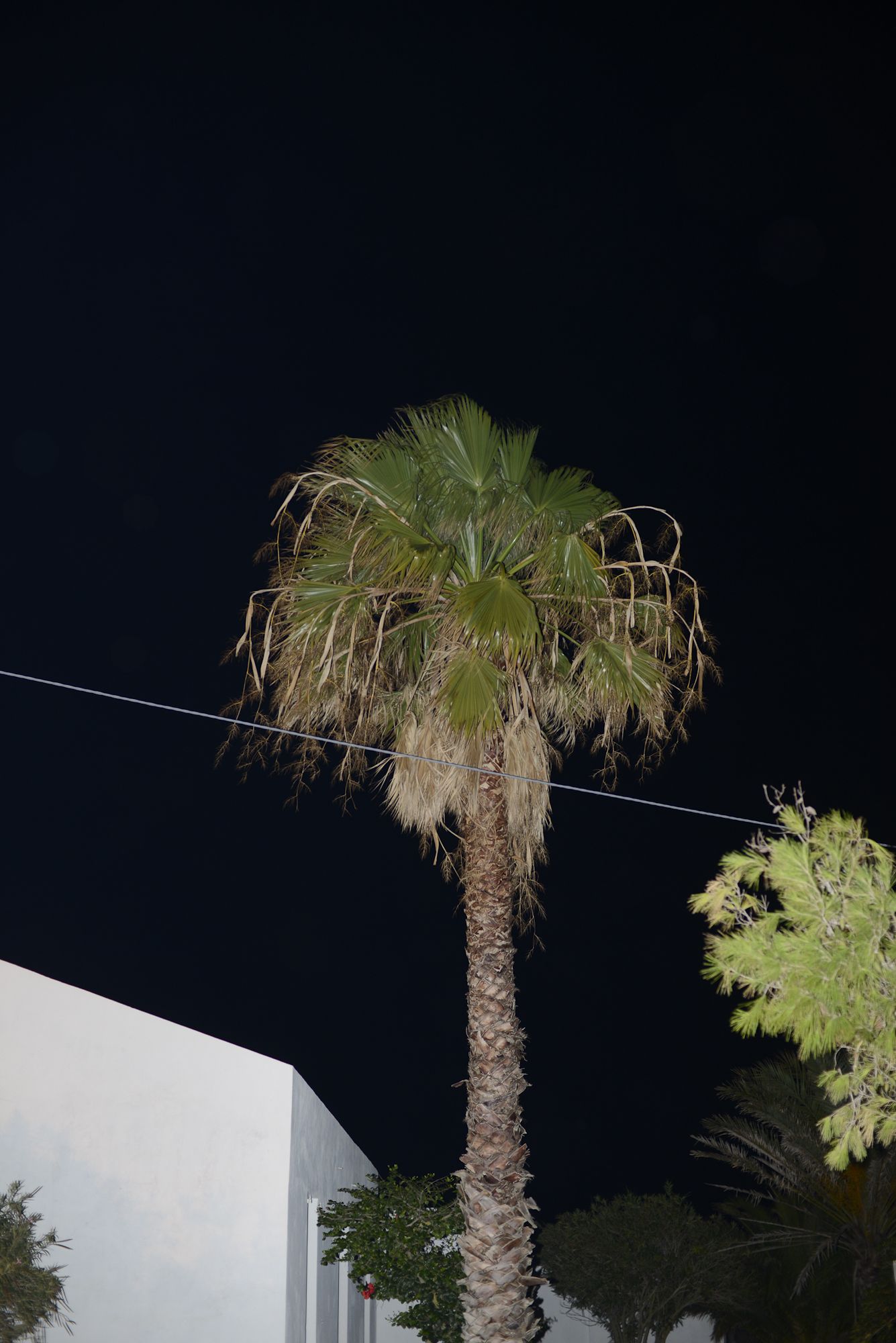
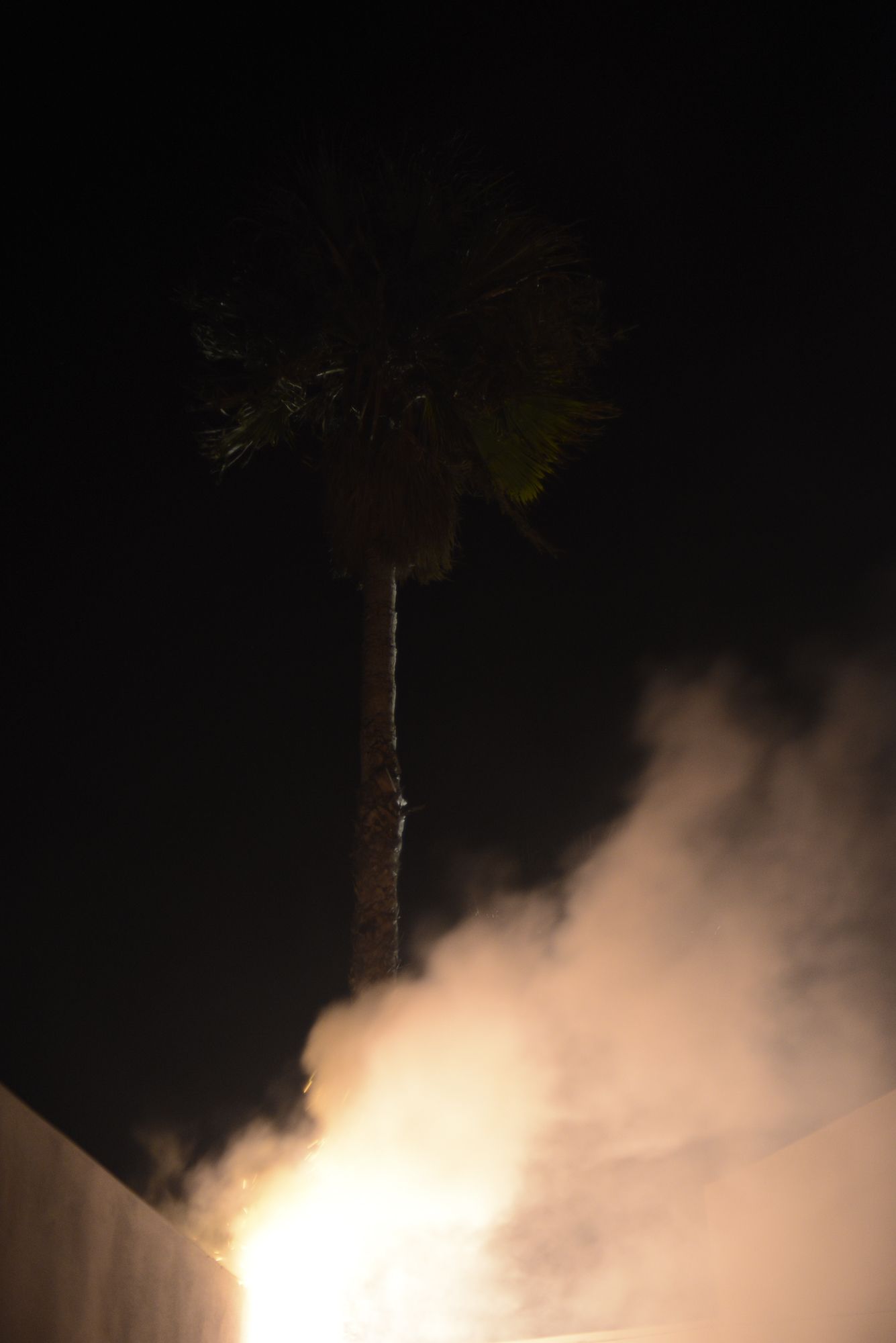
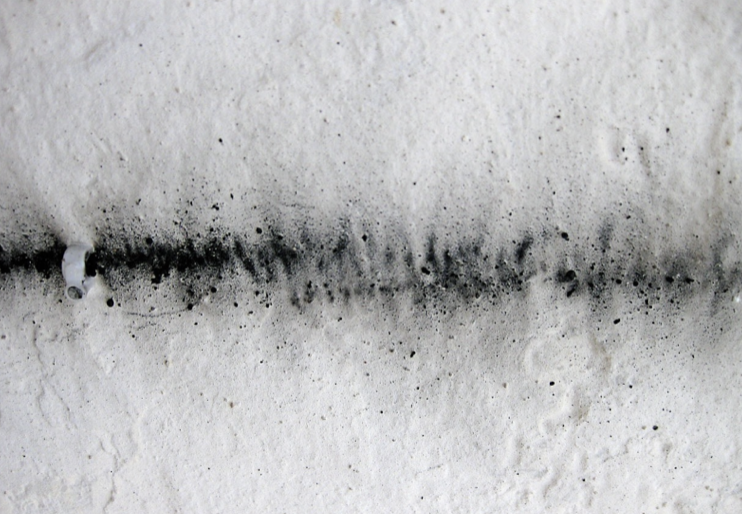
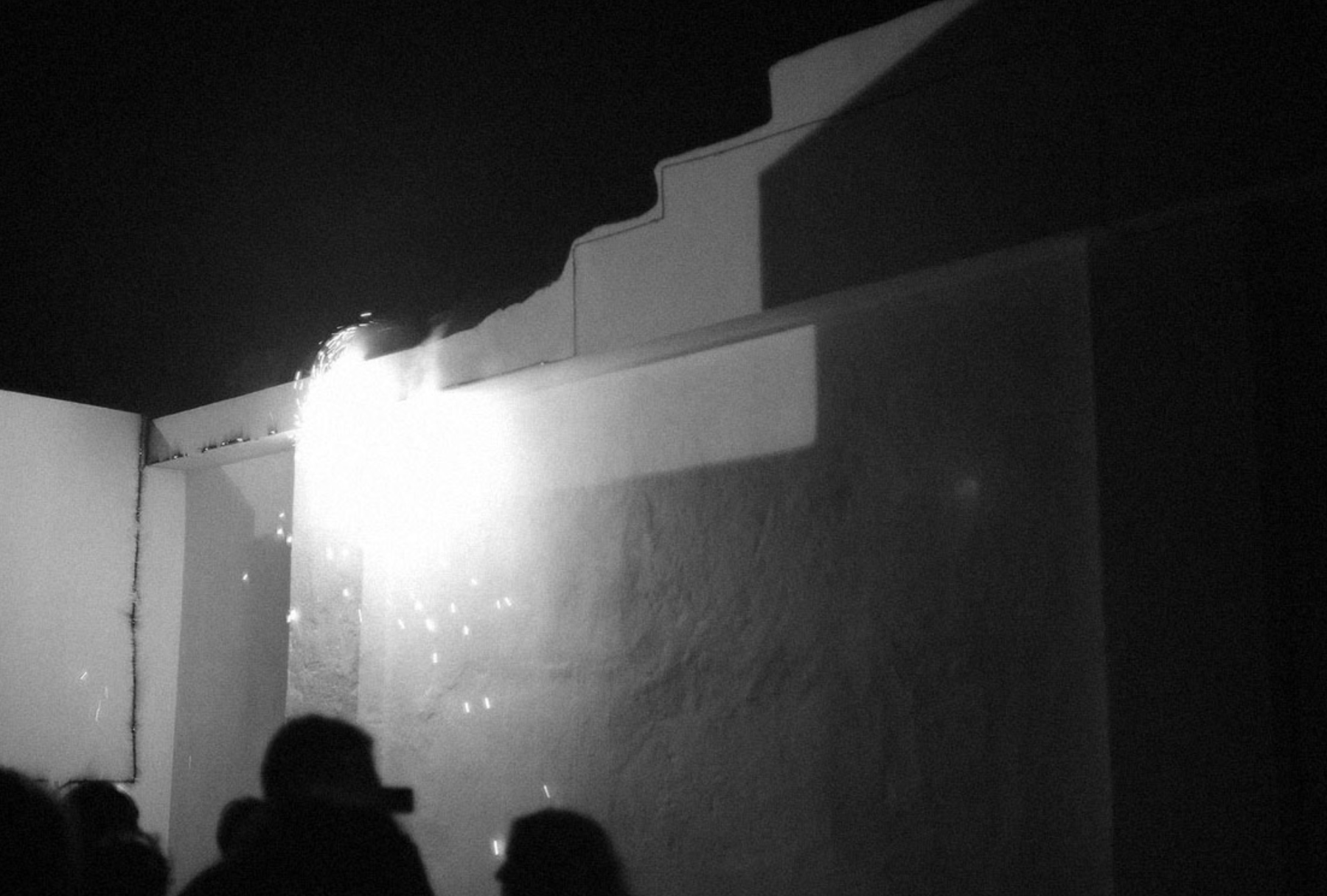
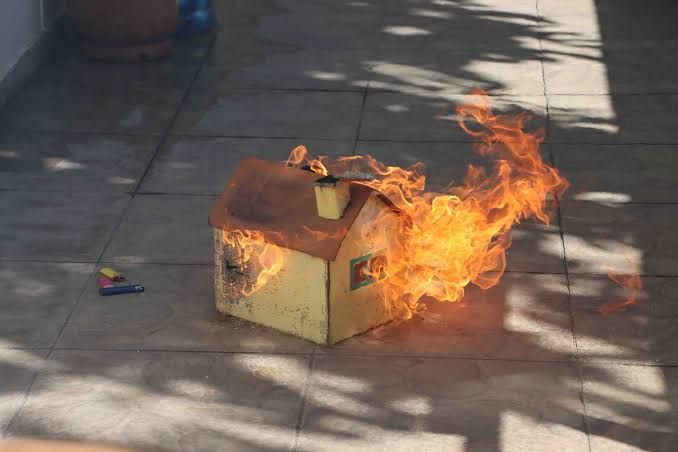
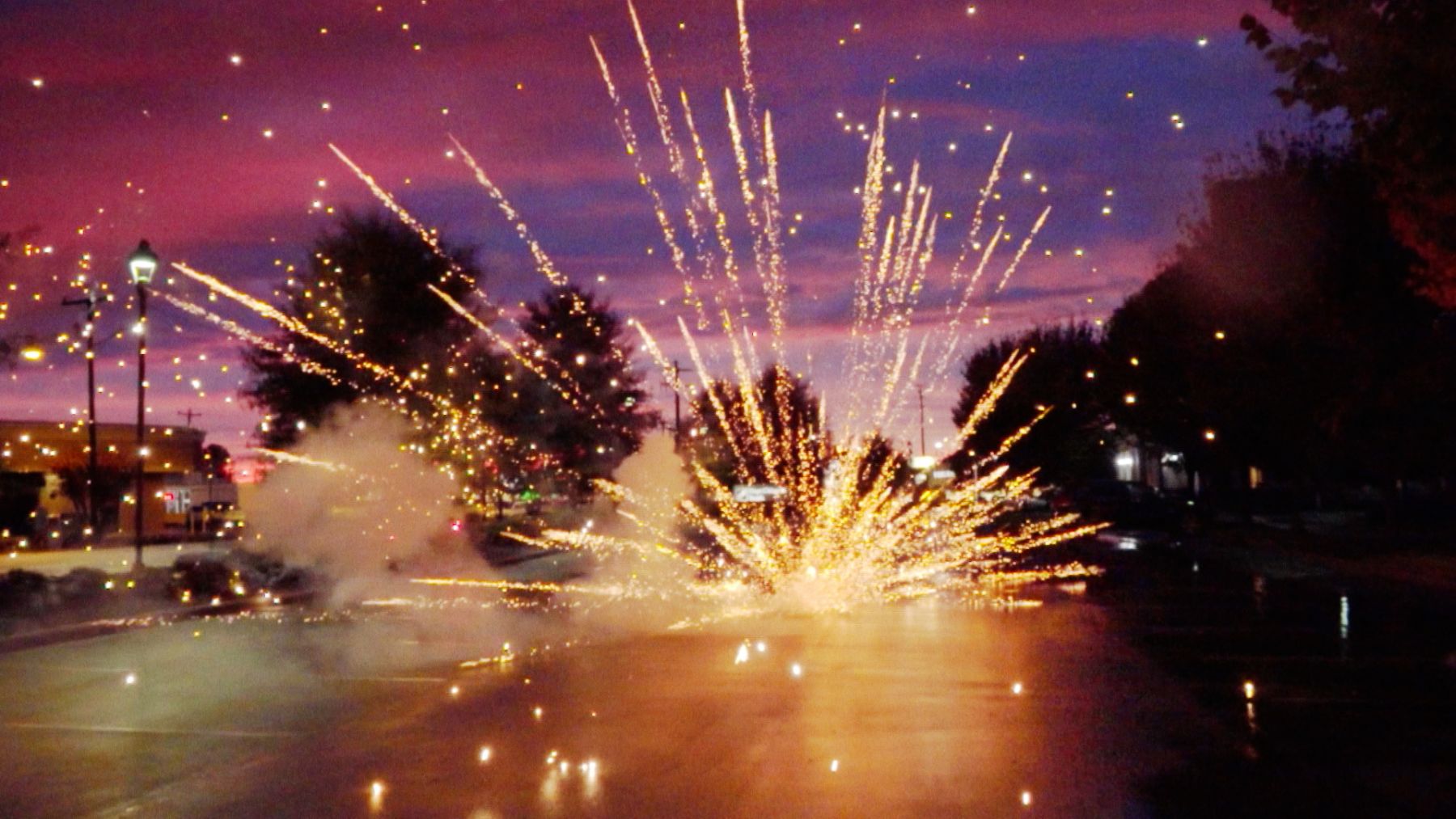
The programme begins with Variable Length / Lunghezza Variabile, an installation in which burning fuses trace the building’s dimensions. Conceived as an architectural survey performed through fire, the work transforms measurement into a temporal event: space is registered through an action that simultaneously marks and disappears. This establishes the principle of the subsequent programme, conceived as a continuous process of accumulation and erasure—a palimpsest without a predetermined conclusion.
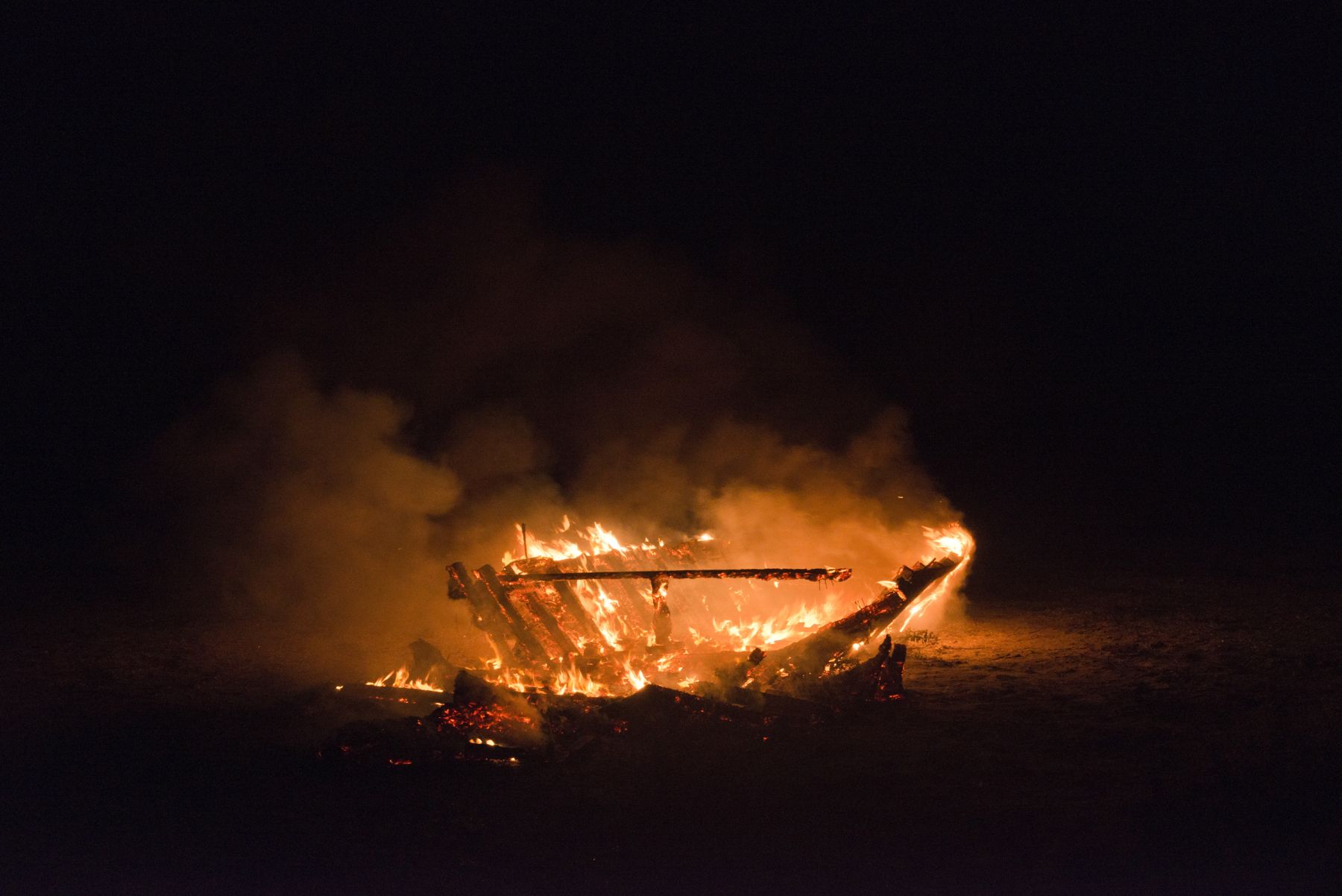
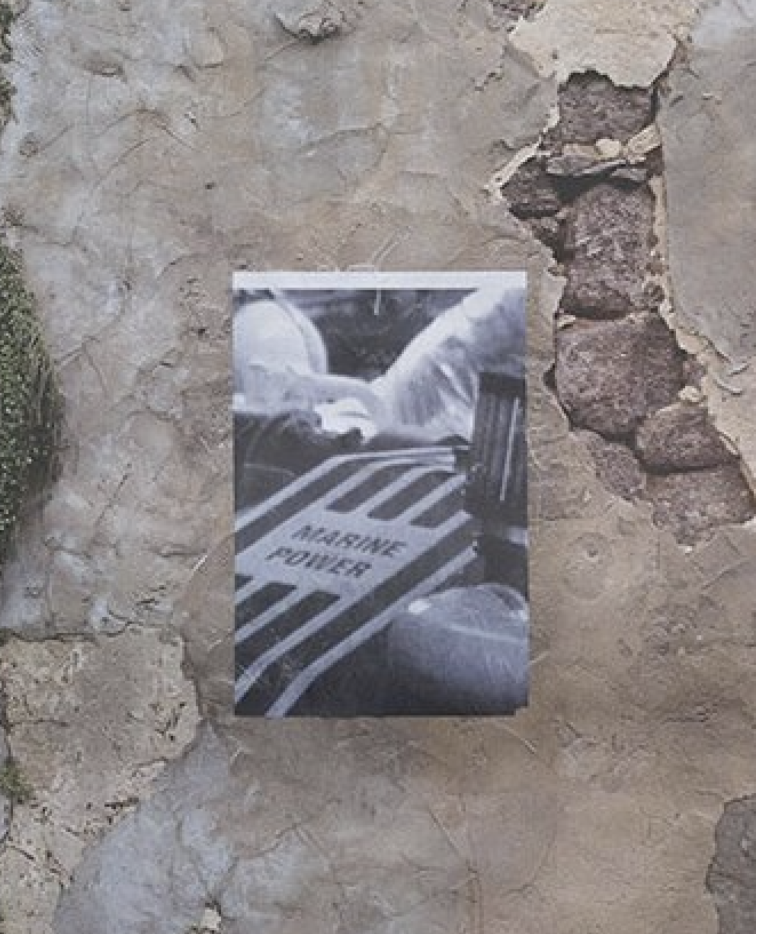
Steve Bishop’s Focus II extended the gallery into Calasetta through posters depicting fragments of a boat engine, subsequently reassembled at MiArt in Milan. Nicolas Amato’s Cucoloris explored projected light and shadow within the exposed architecture. Other interventions included Hans Schabus’s sculpture made from wine bottles and Robert Pratt’s floating fragments. The process culminated in Giorgio Andreotta Calò’s nocturnal procession with local miners, who set fire to a boat left behind by Davide Battistin during his previous residency. One artist’s intervention literally became the material for another’s.
Alongside the exhibitions, publications constitute another form of accumulated memory. Rather than conventional catalogues, they operate as autonomous extensions of artistic actions. Focus II documents Bishop’s interventions throughout Calasetta; Scarlett Lingwood’s Calasetta Calling transforms a durational performance into a material record. Poesie a Cielo Aperto, developed with La Casa di Sophia and Fondazione MACC, brought poetry beneath the open sky. Hans Schabus’s Alla Salute connects everyday rituals with artistic production through bottles of wine shared in preparation for his residency.
Mangiabarche proposes architecture as subtraction and curating as accumulation. Its missing roof establishes the conditions for unpredictable events, while successive interventions challenge the conventional temporality of exhibitions. Architecture becomes not a permanent container for finished objects, but an evolving situation in which artistic intentions, material transformations and natural processes collectively produce space.



St. Moritz Art Film Festival
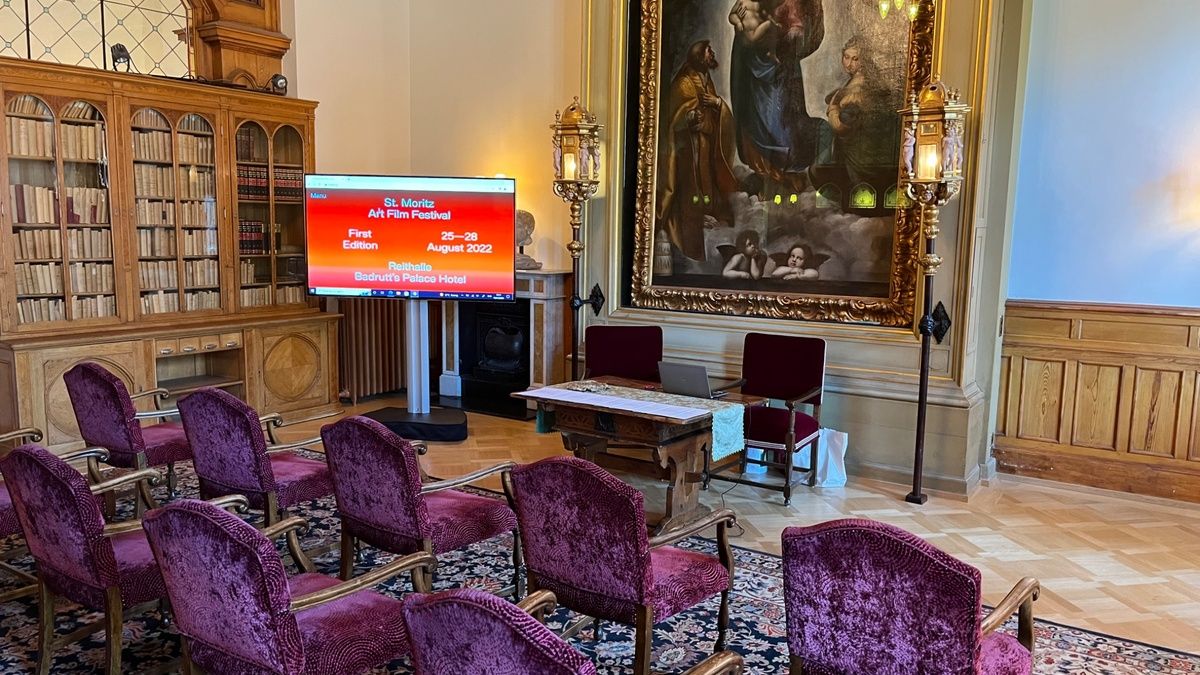
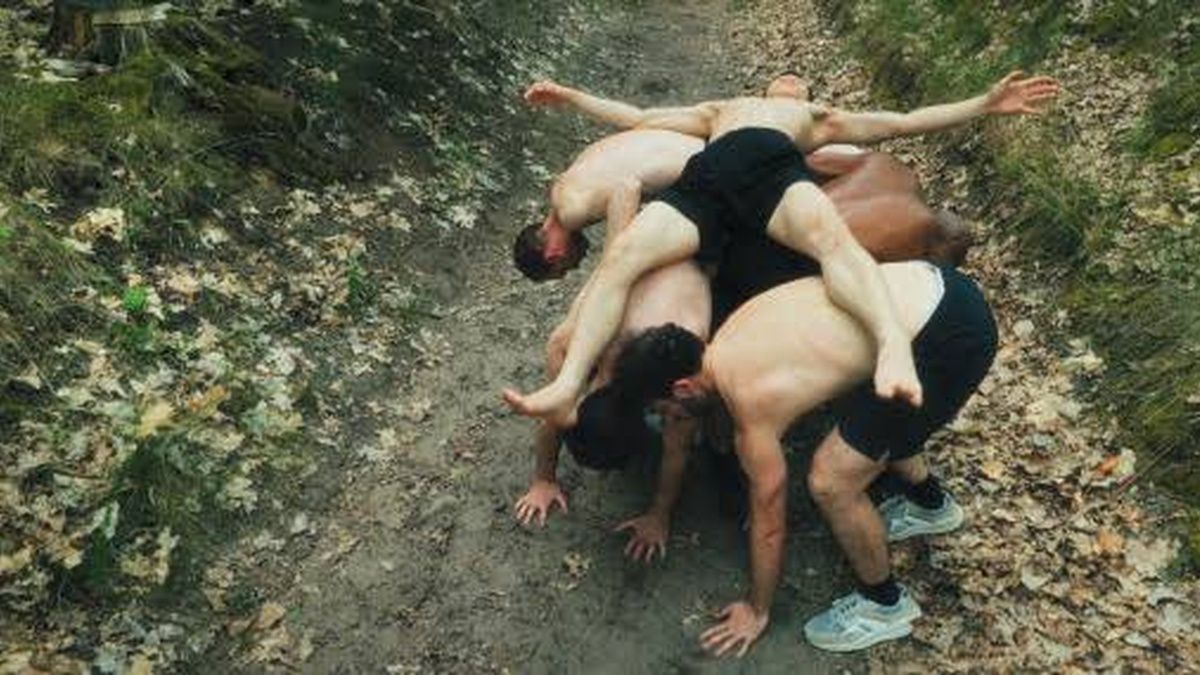
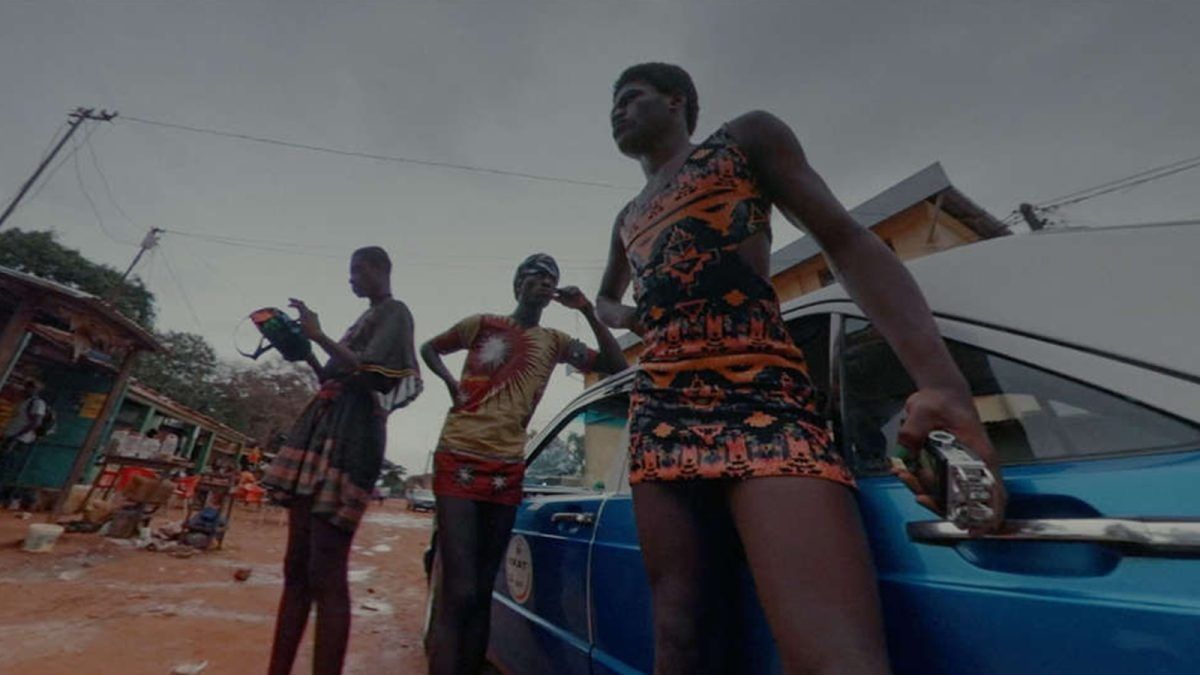
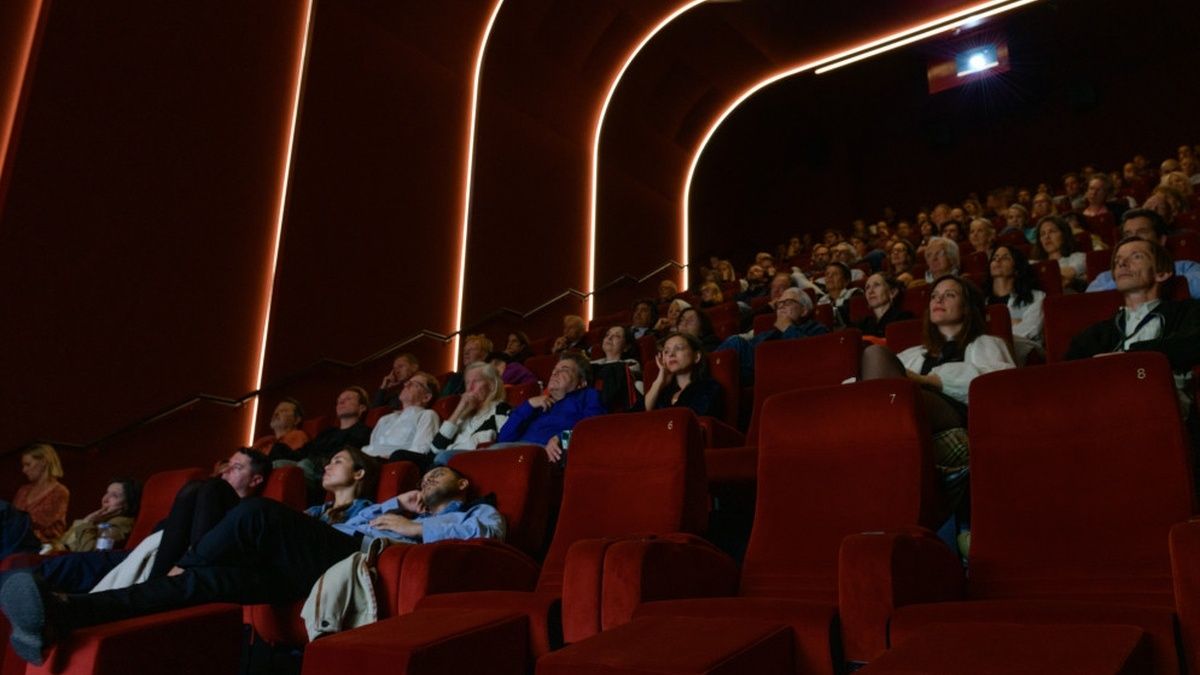
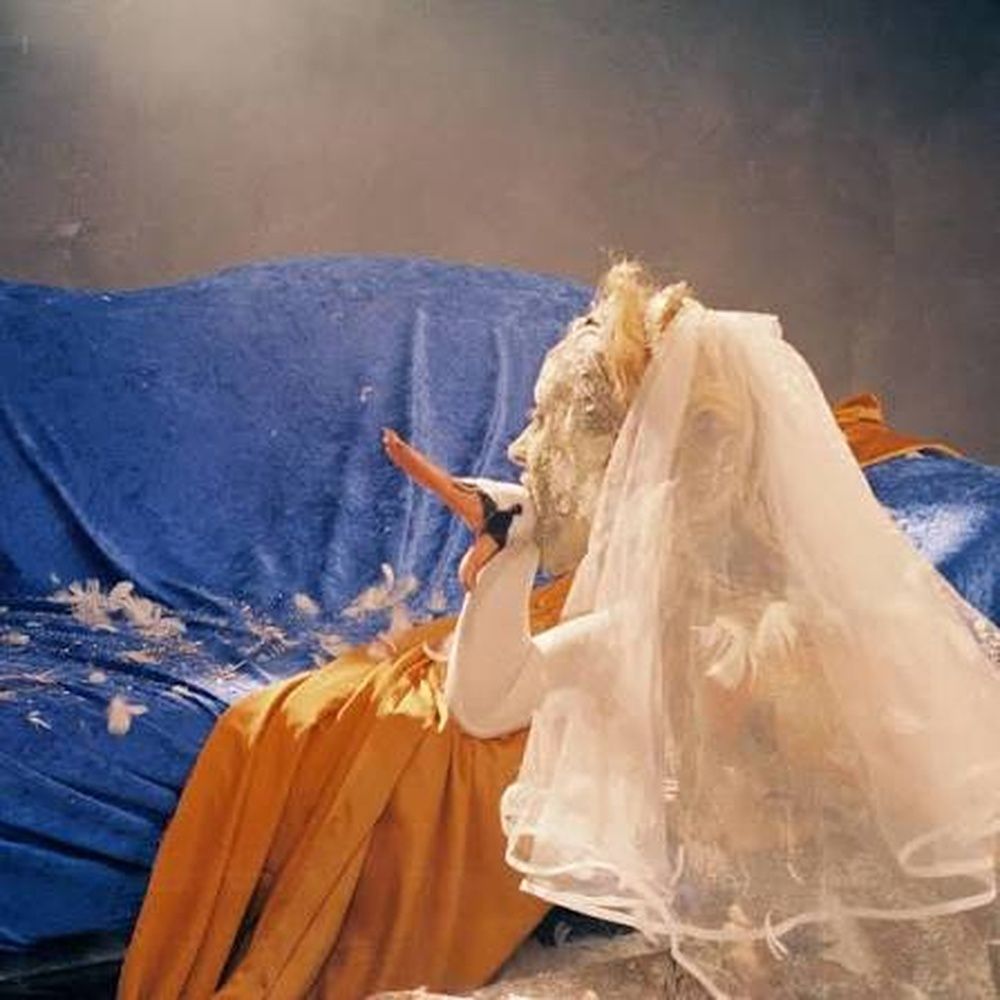
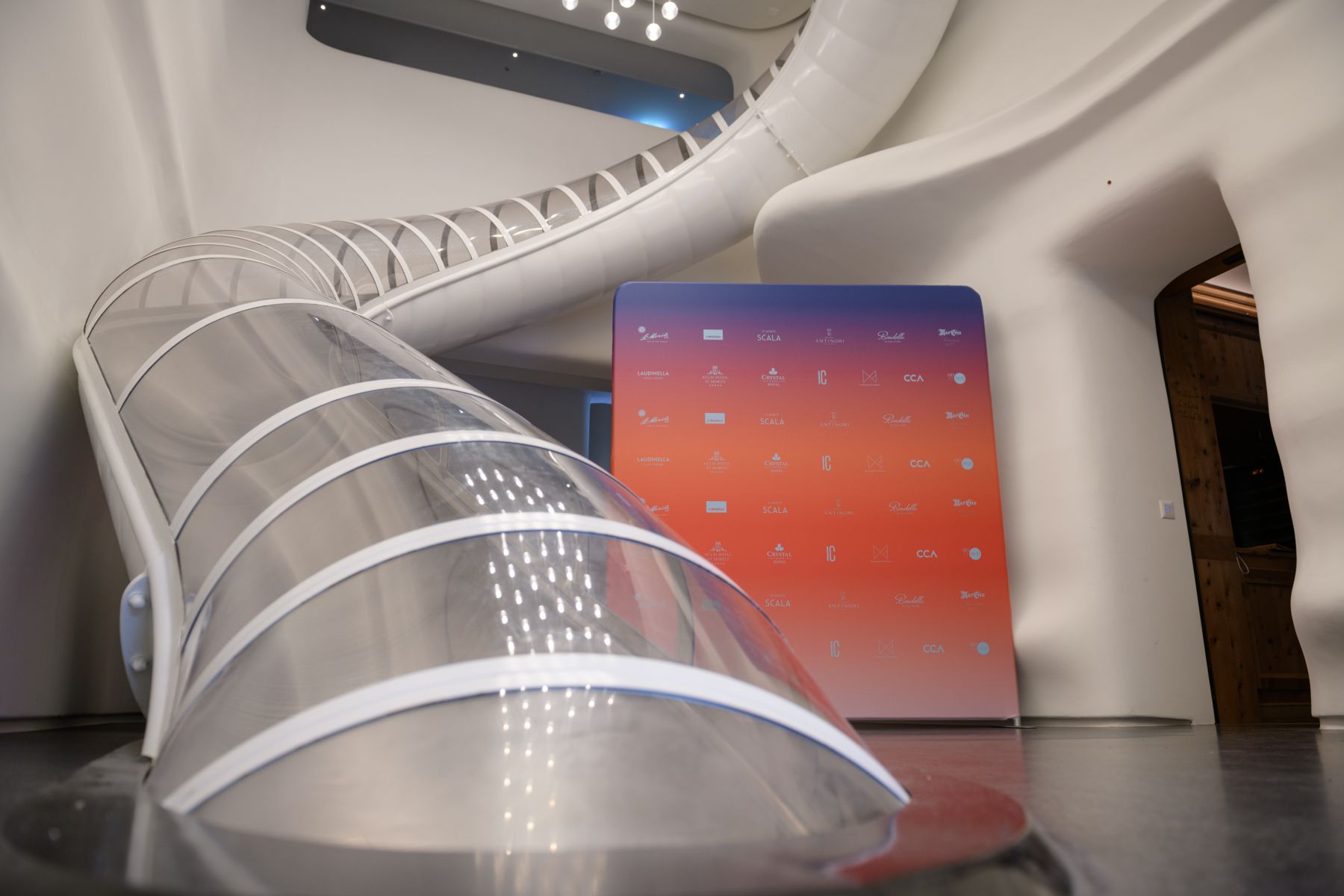
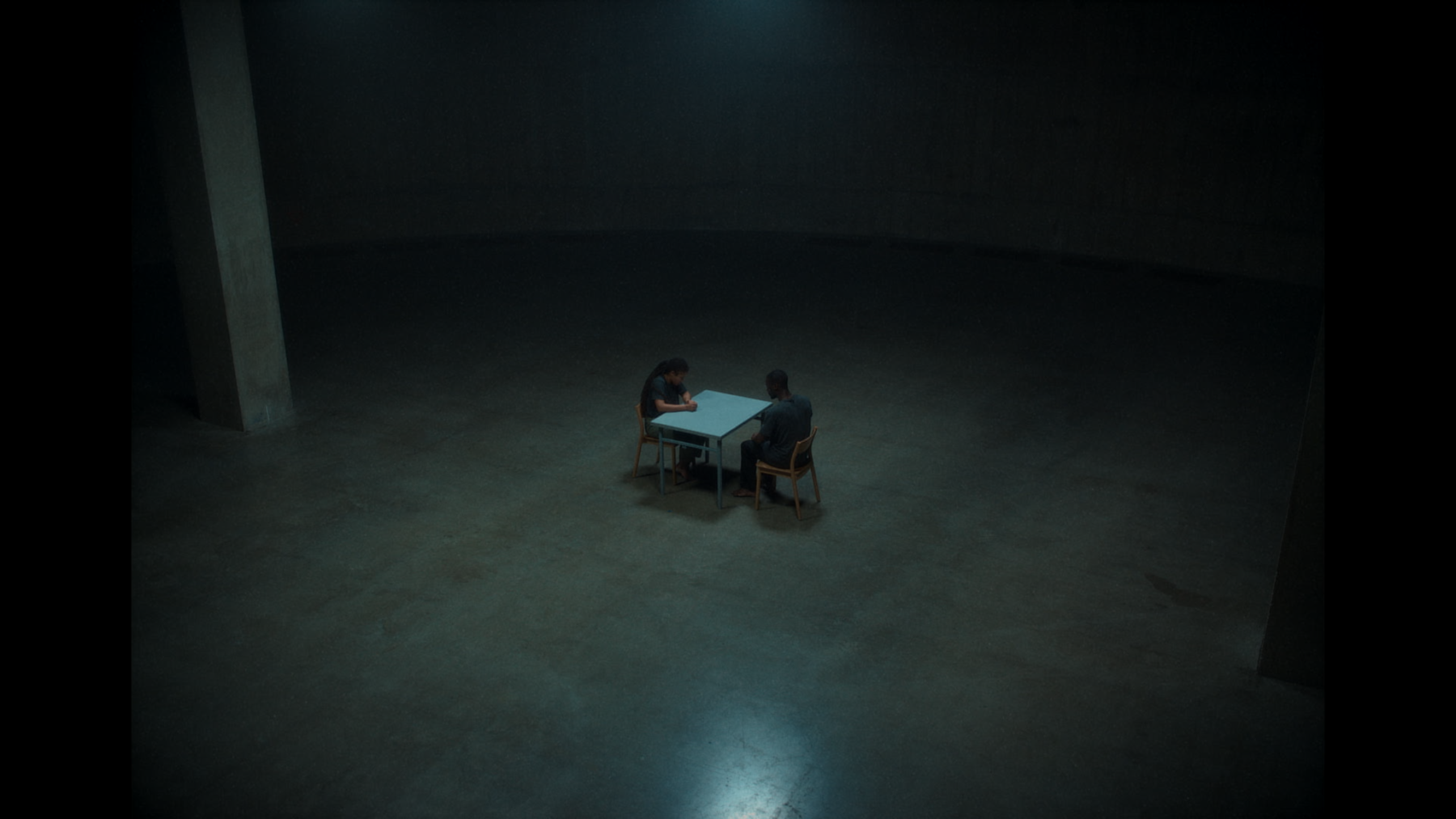
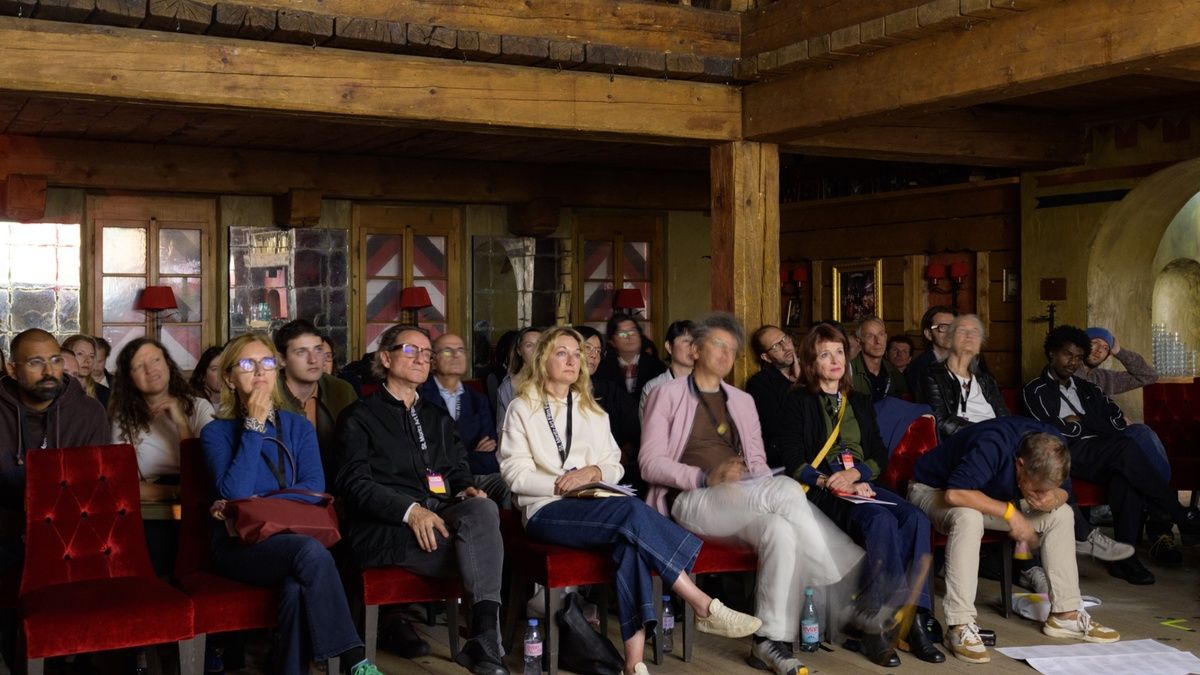
Founded by Stefano Rabolli Pansera in 2022, the St. Moritz Art Film Festival is conceived as a territorial project: a territory created by a beam of light. Rather than simply screening films in St. Moritz, the festival uses moving images to create a situation around which a community can form.
Each edition is curated around a specific theme that develops from the previous one, unfolding as a continuous narrative. Face to Face (2022) began with the encounter with the Other; Becoming Landscape (2023) expanded this encounter into the relationship between subject and surroundings; Meanwhile Histories (2024) introduced time, exploring how identities and places are shaped by multiple histories; Emerging Virtualities (2025) extended this multiplicity into the shifting relationship between the real and the virtual; and If Music (2026) moved beyond the image towards sound, rhythm and collective listening. Across five editions, the festival has progressively explored the capacity of moving images to become a form of philosophical and poetic inquiry.
SMAFF can therefore be understood less as a conventional film festival than as an ephemeral territory formed through moving images, conversations and remote landscapes.
smaff.org




Bangkok Kunsthalle
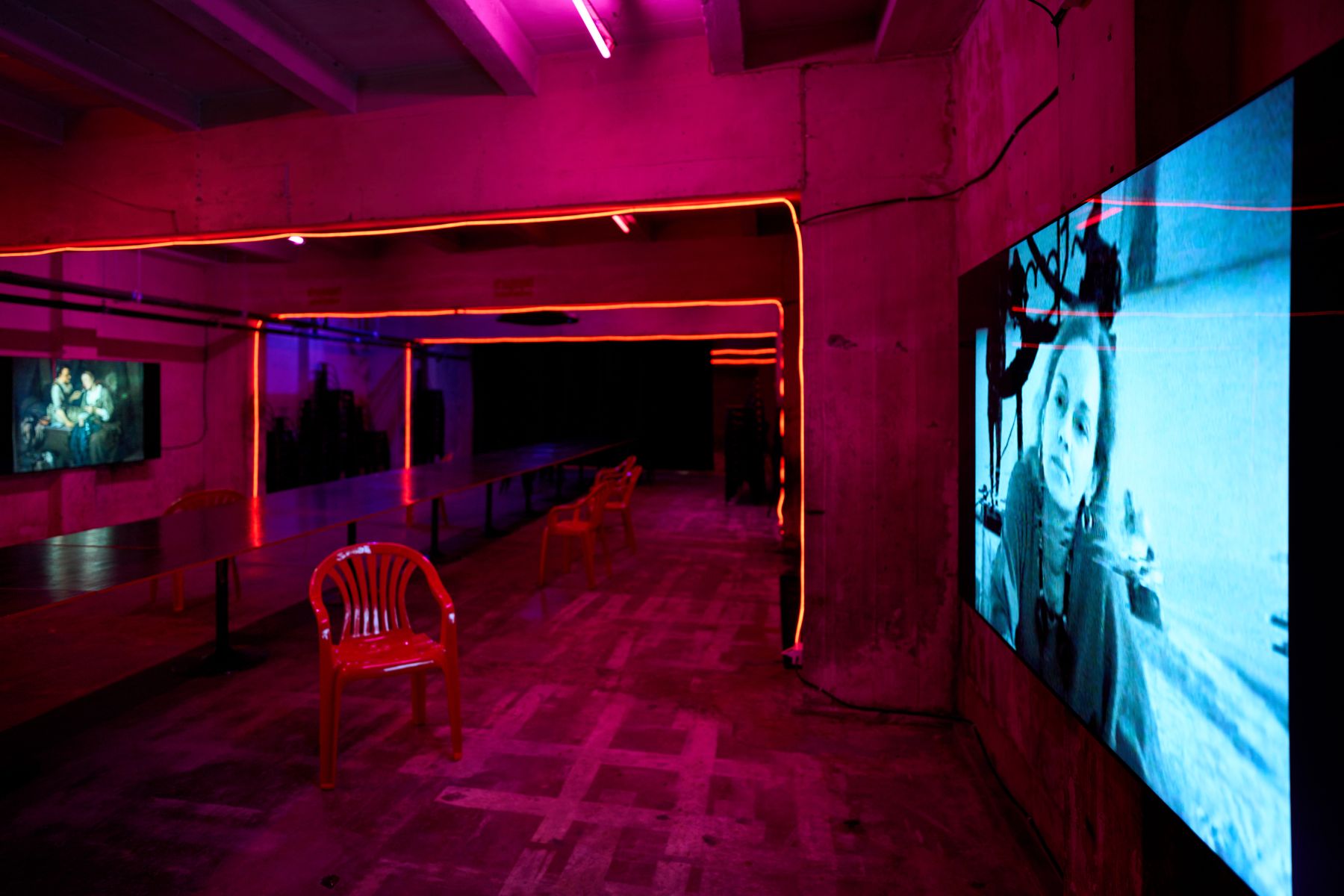
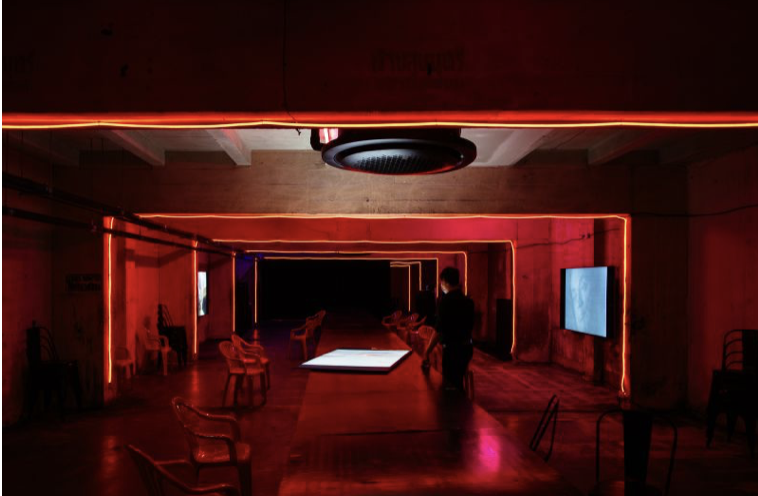
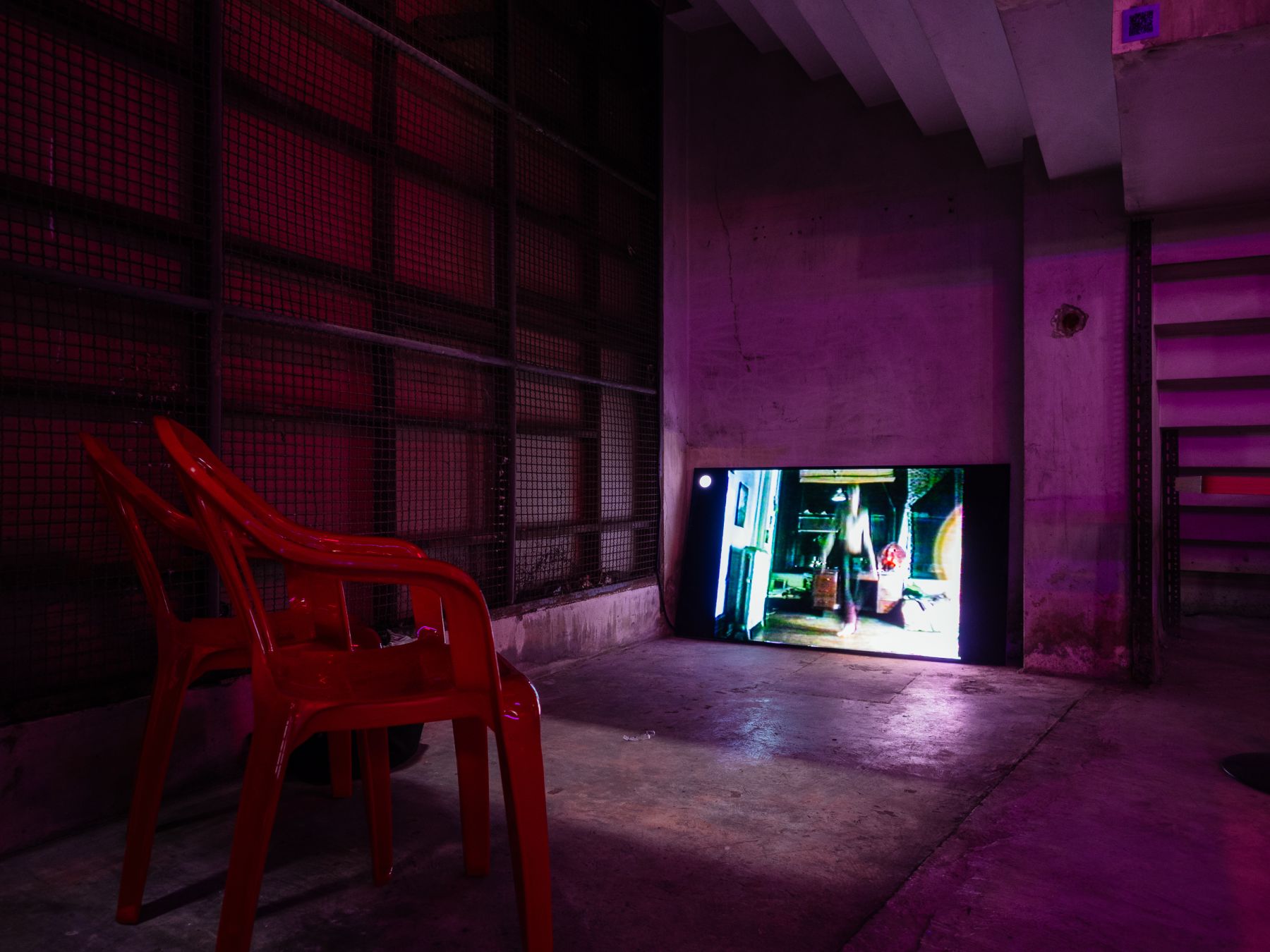
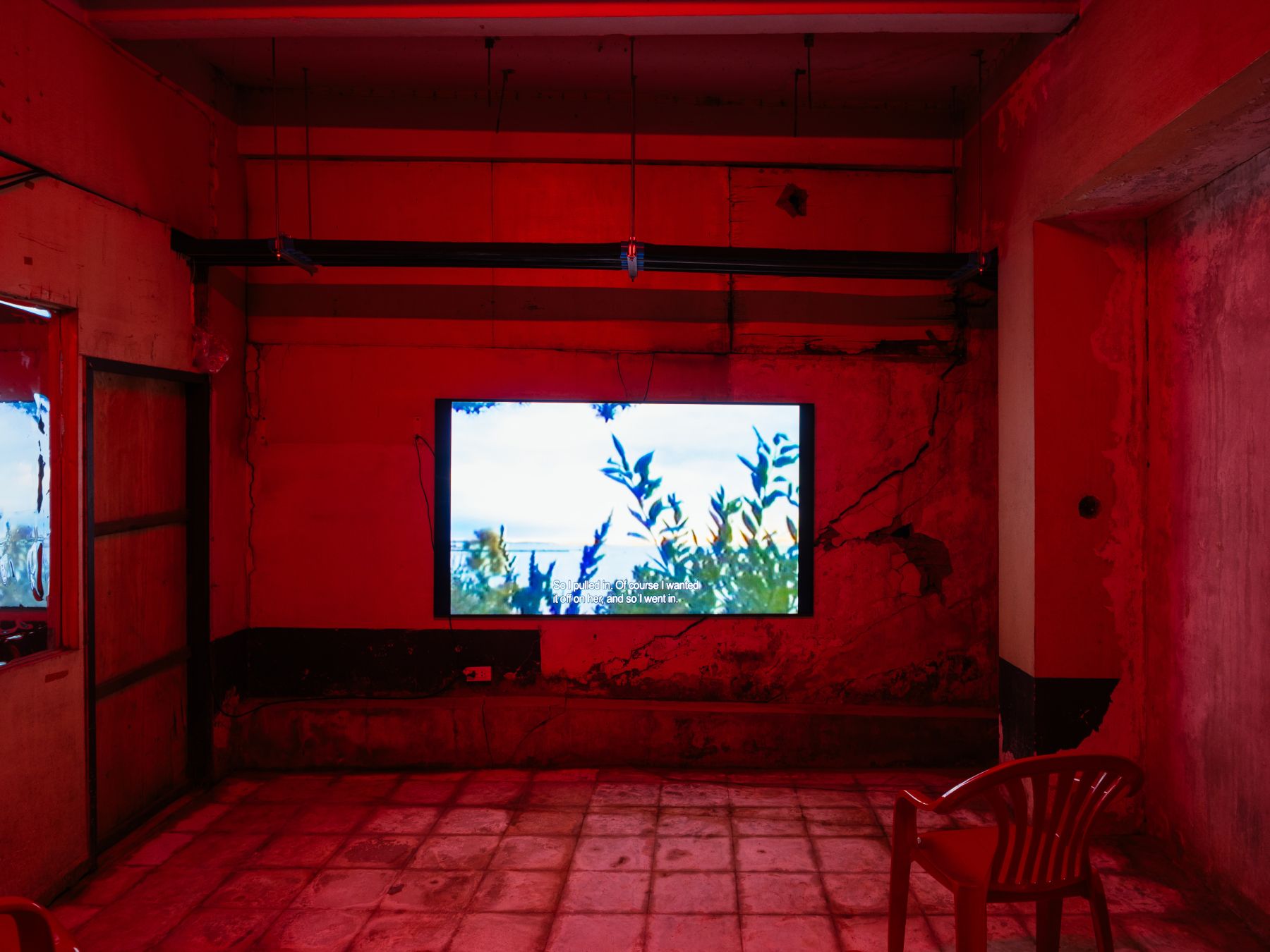
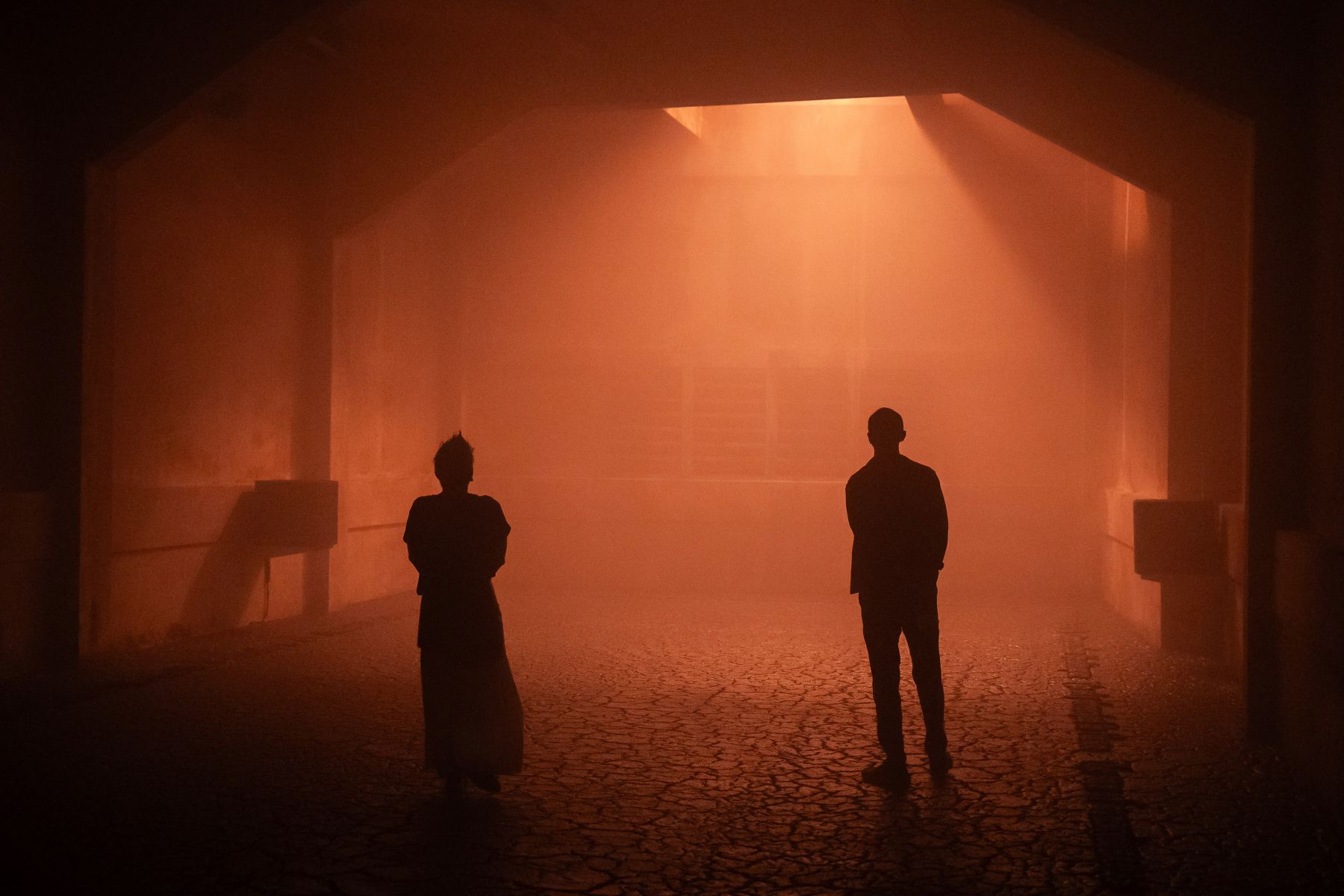
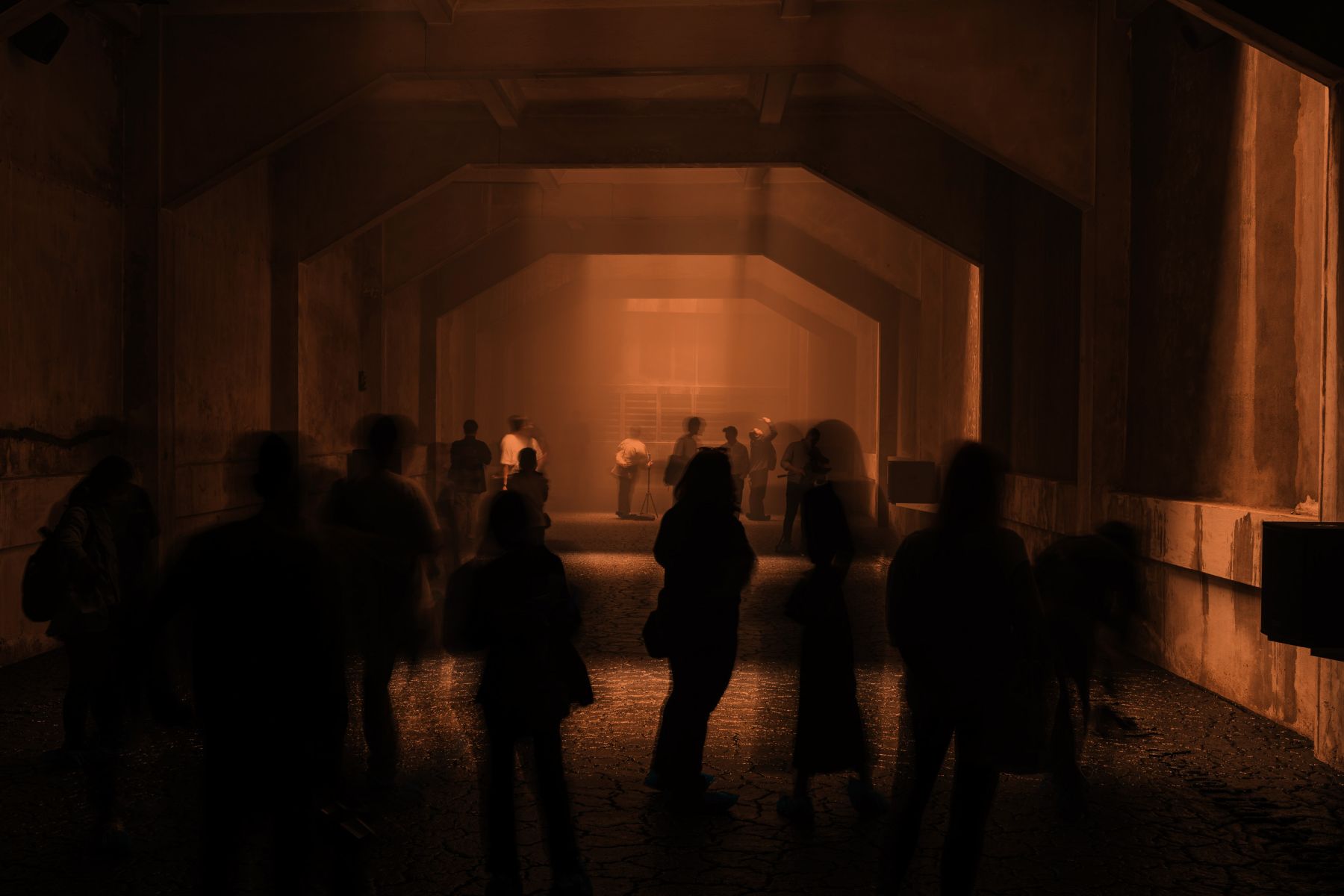
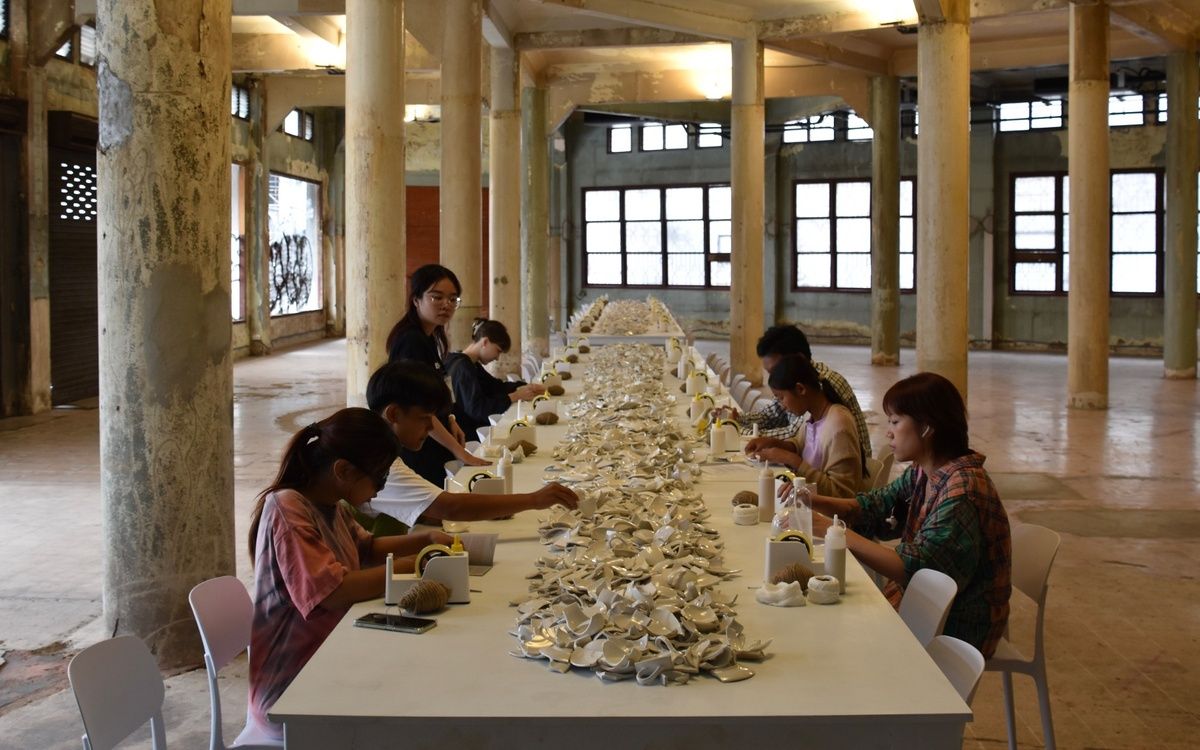
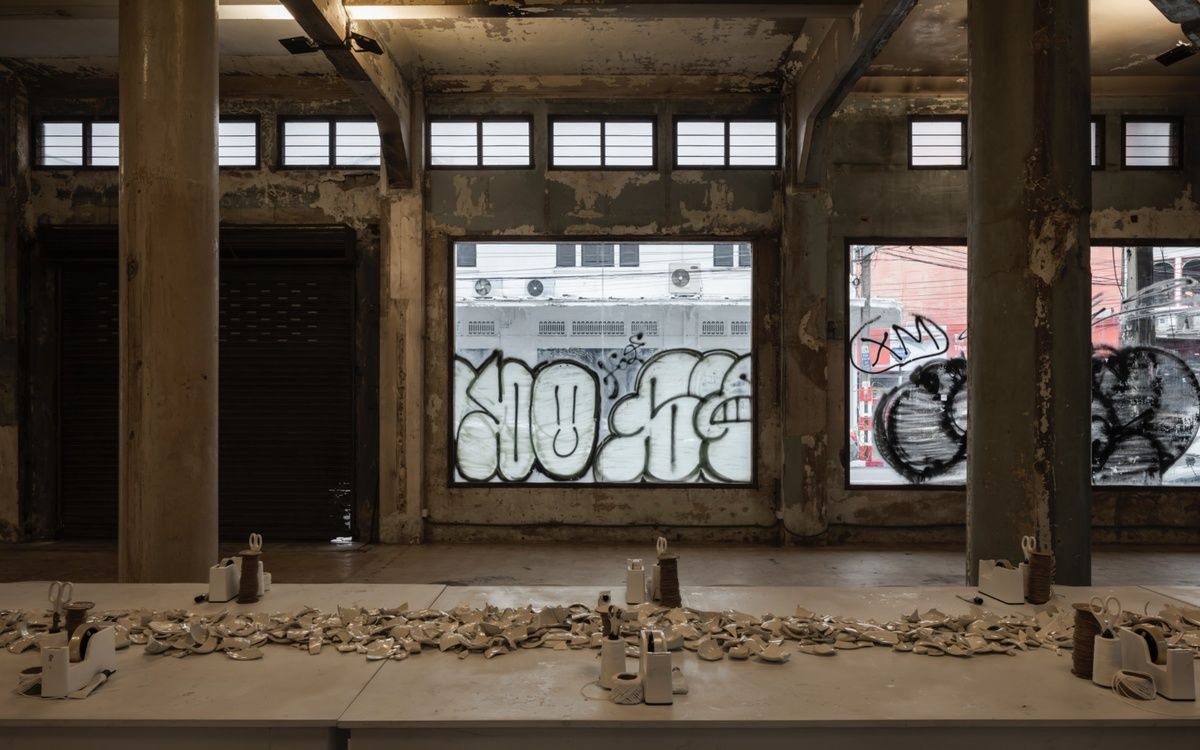
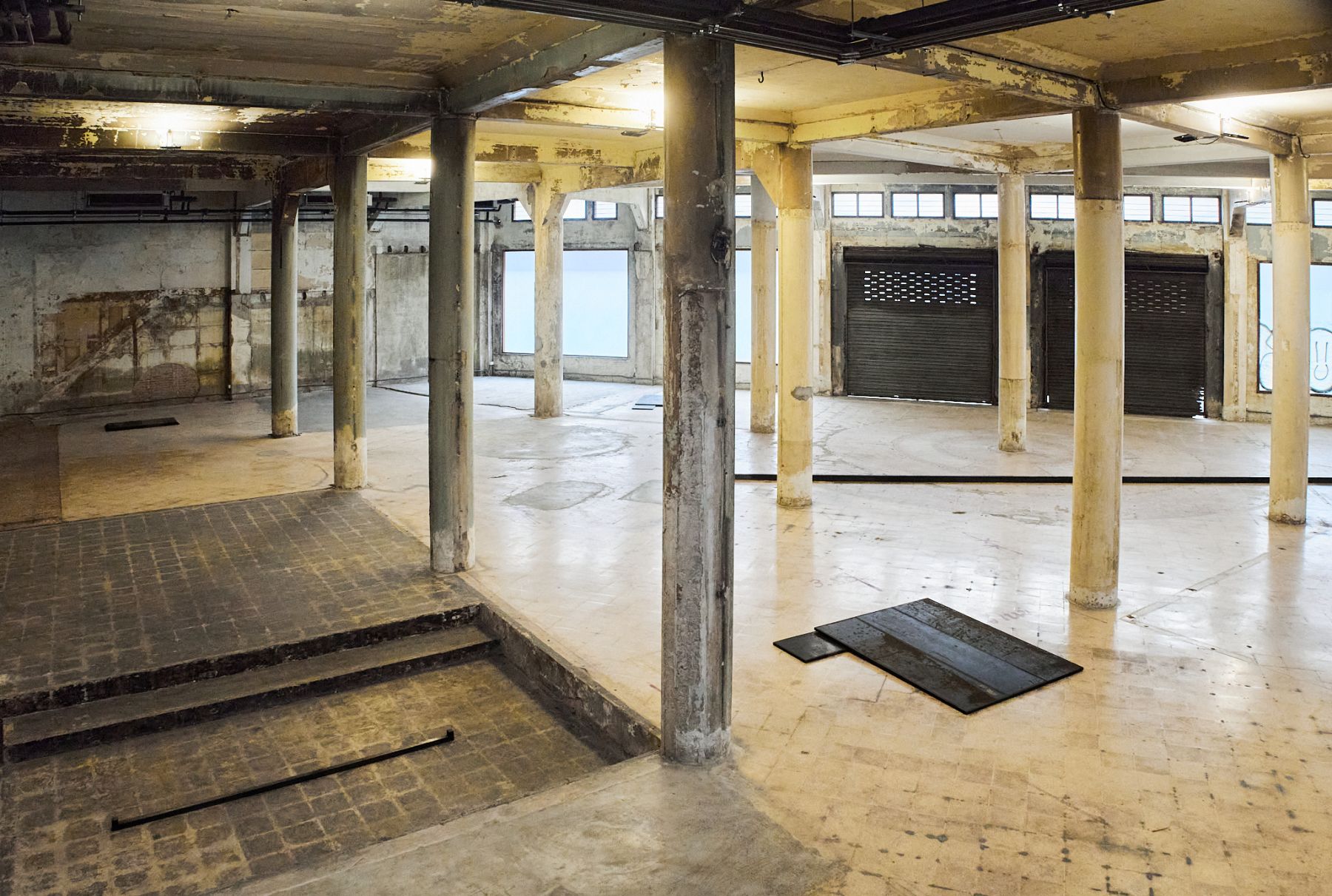
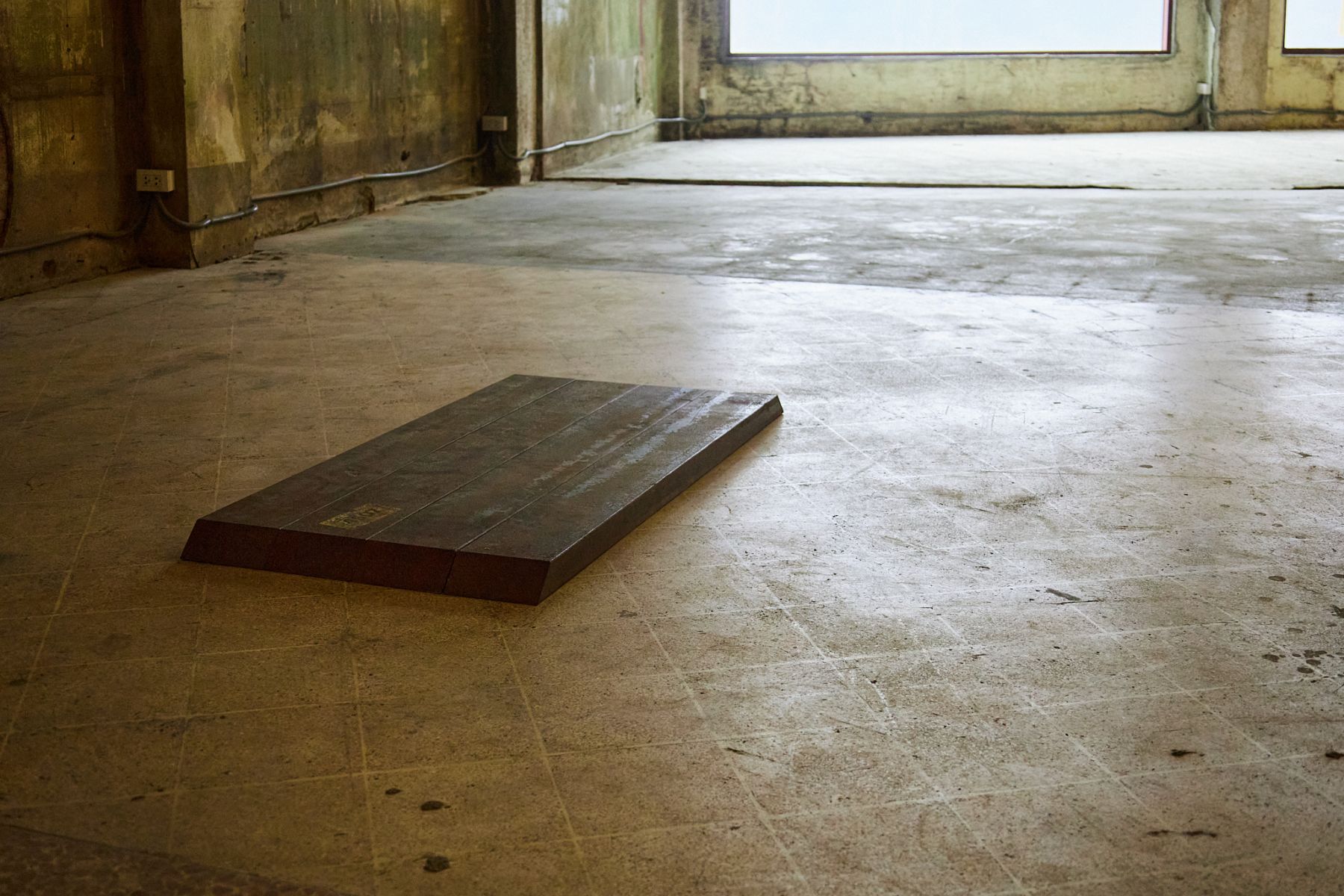
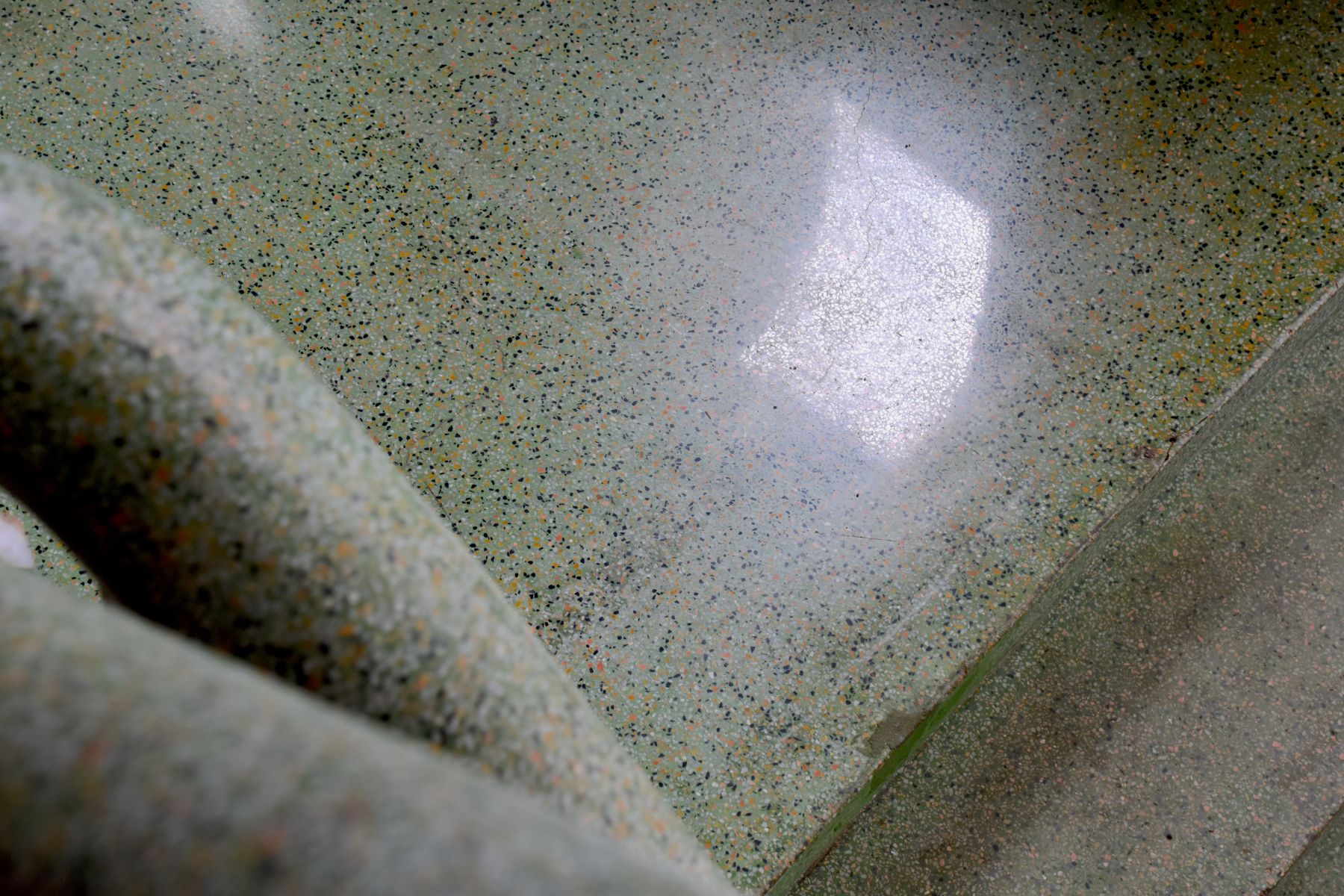
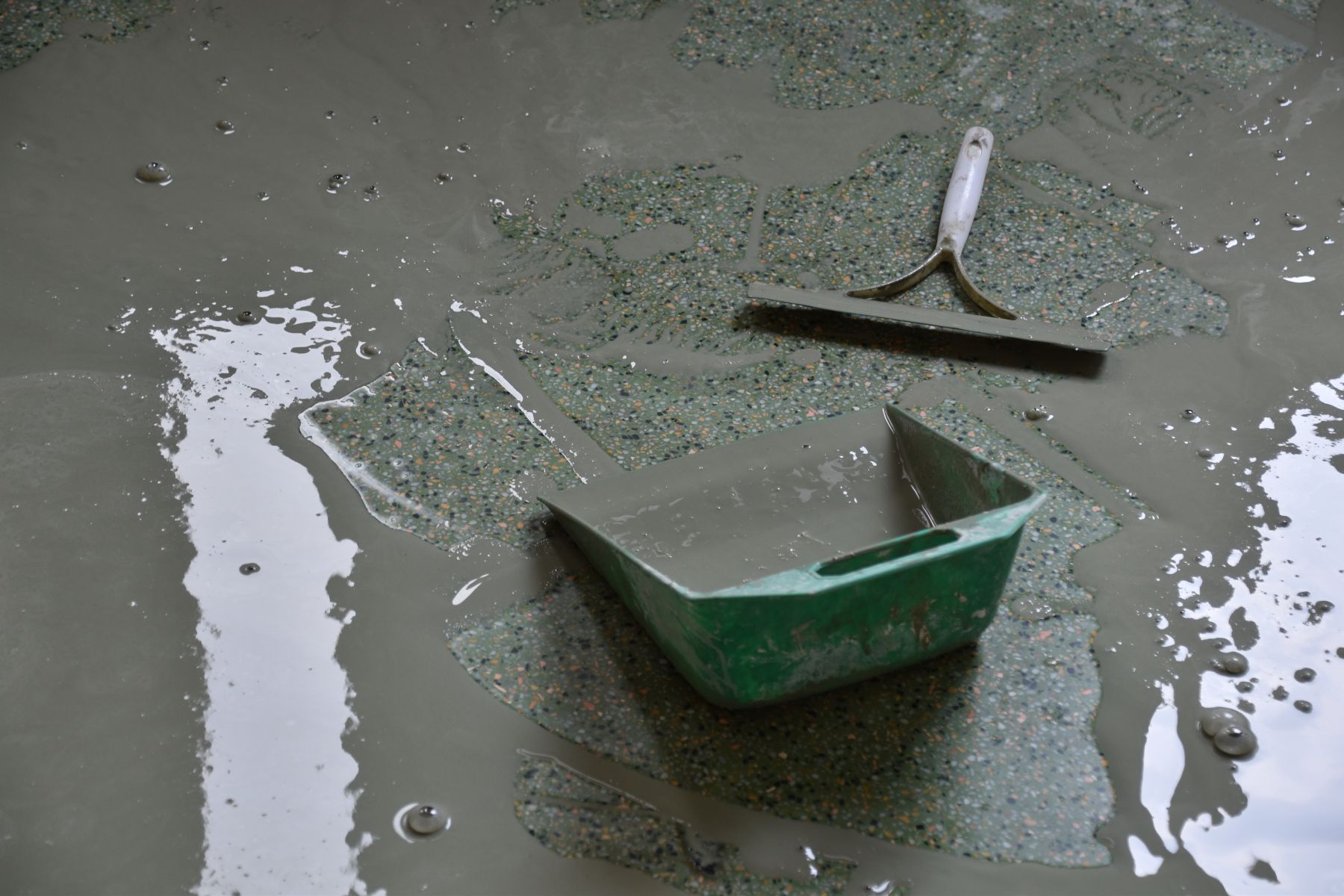
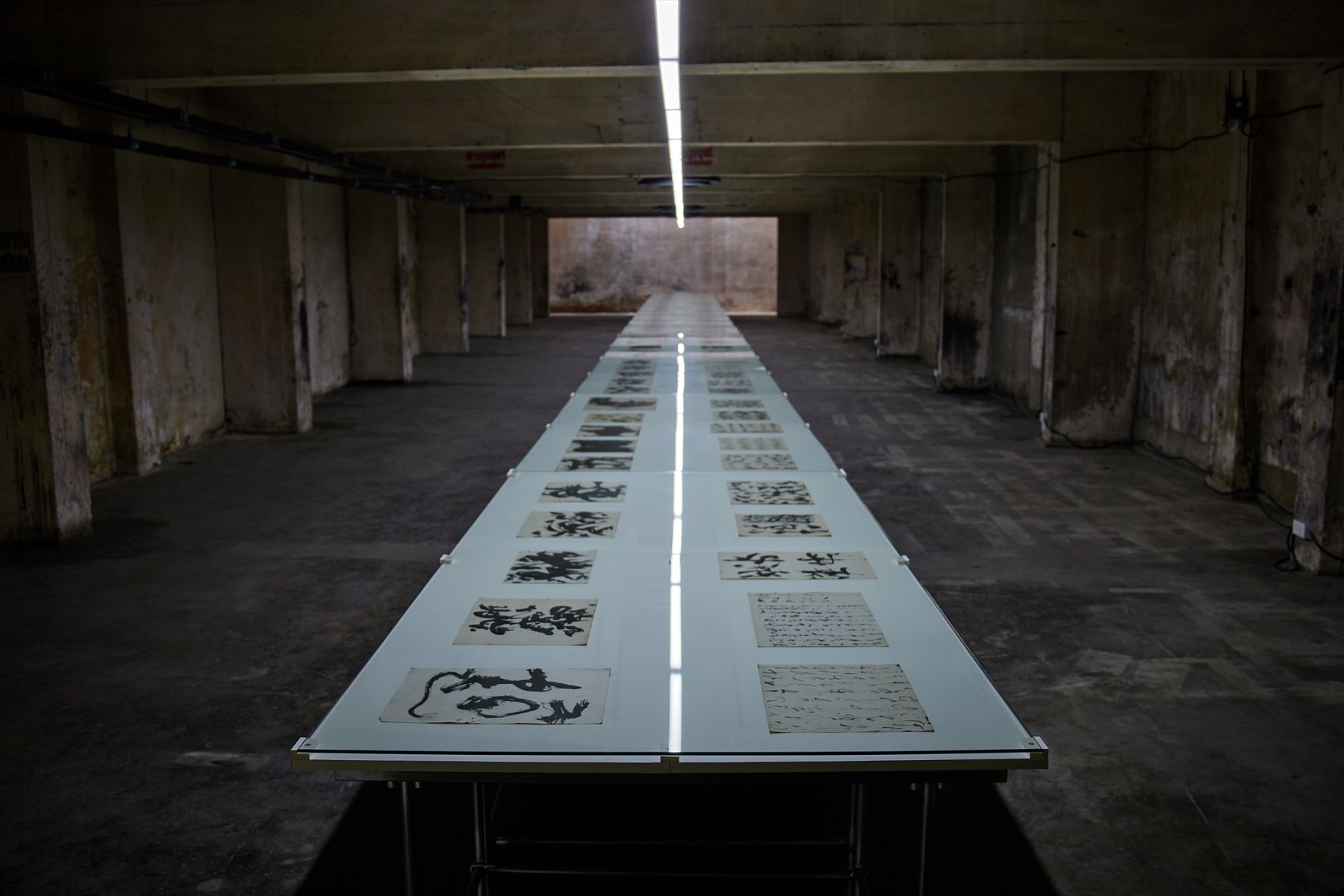
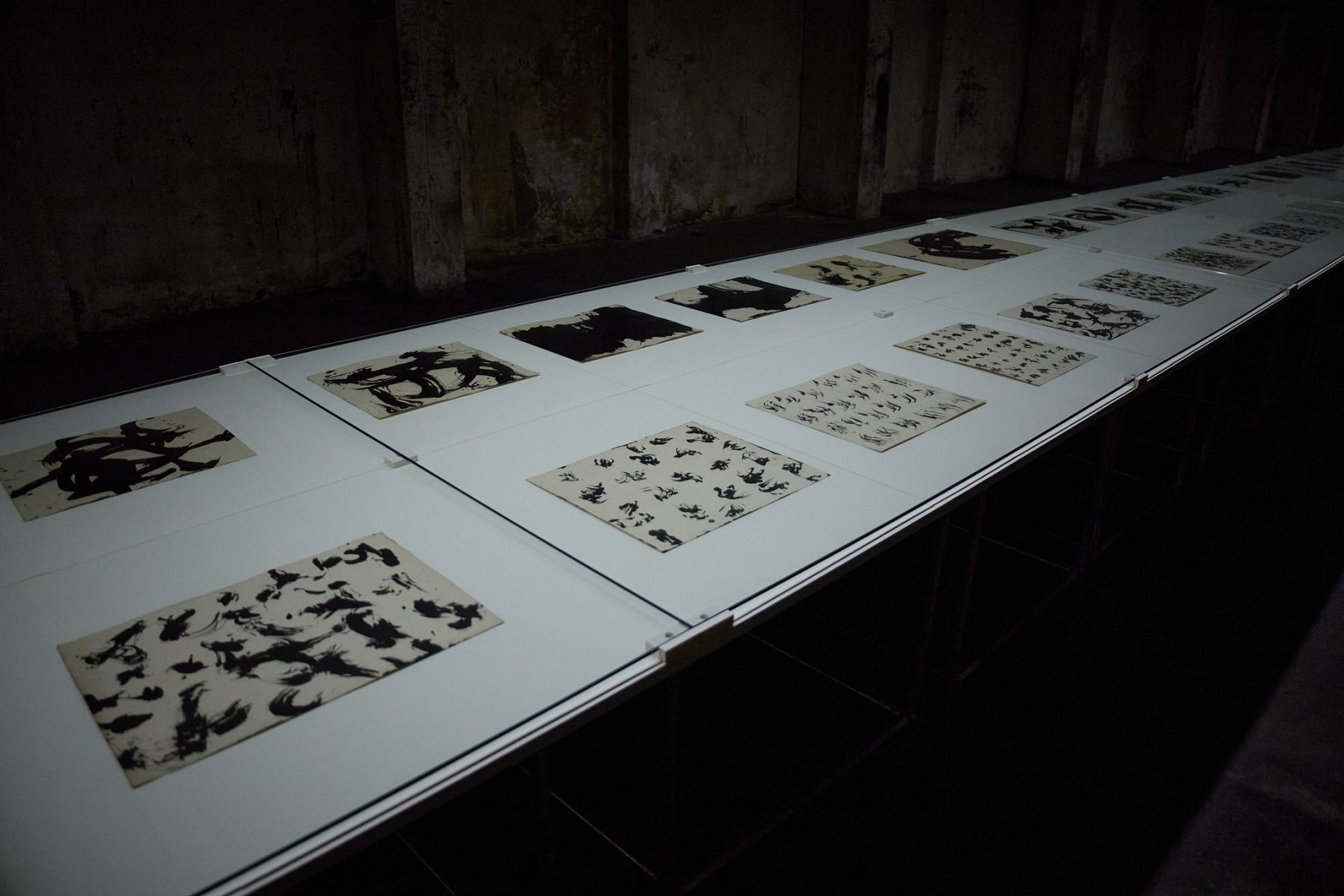
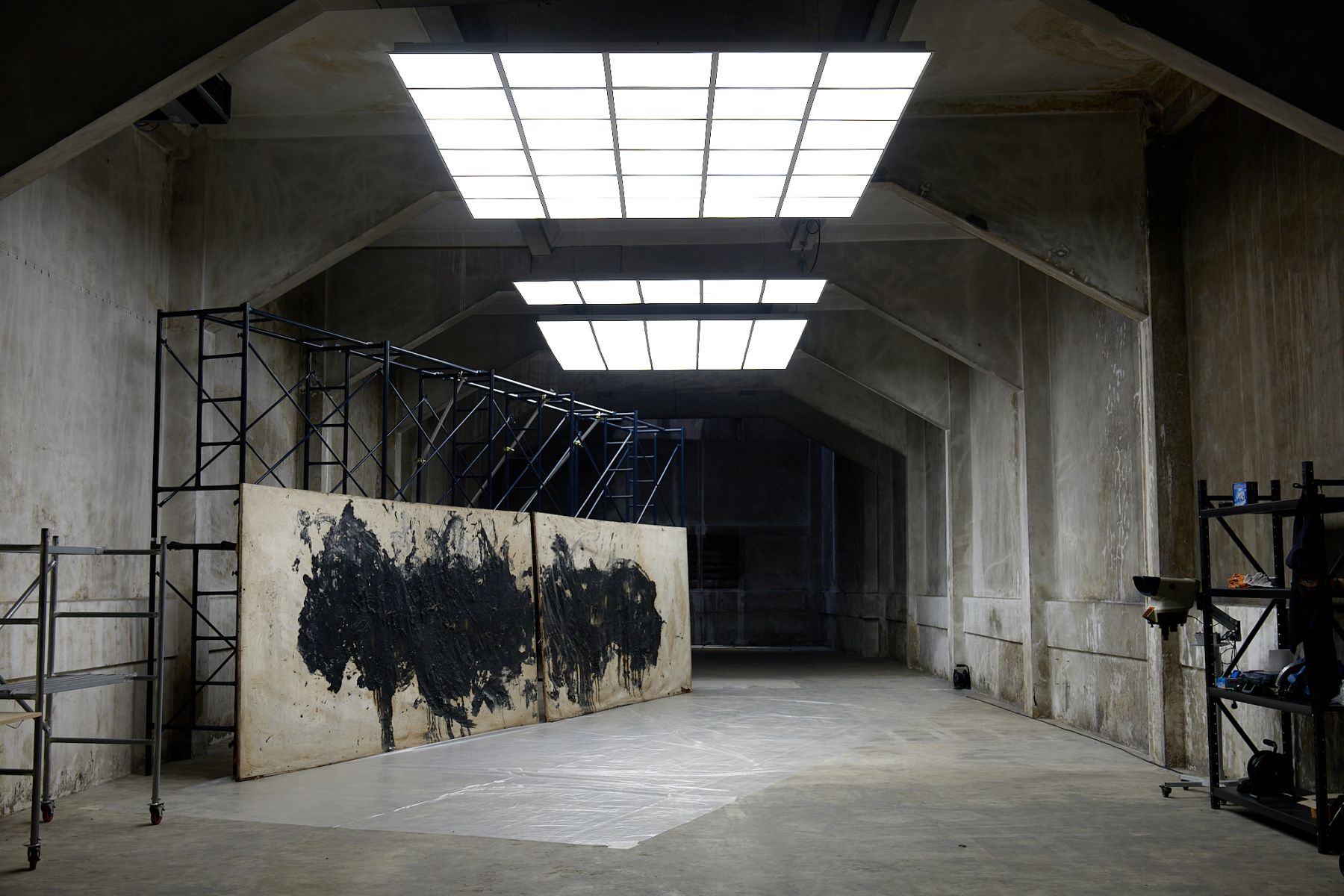
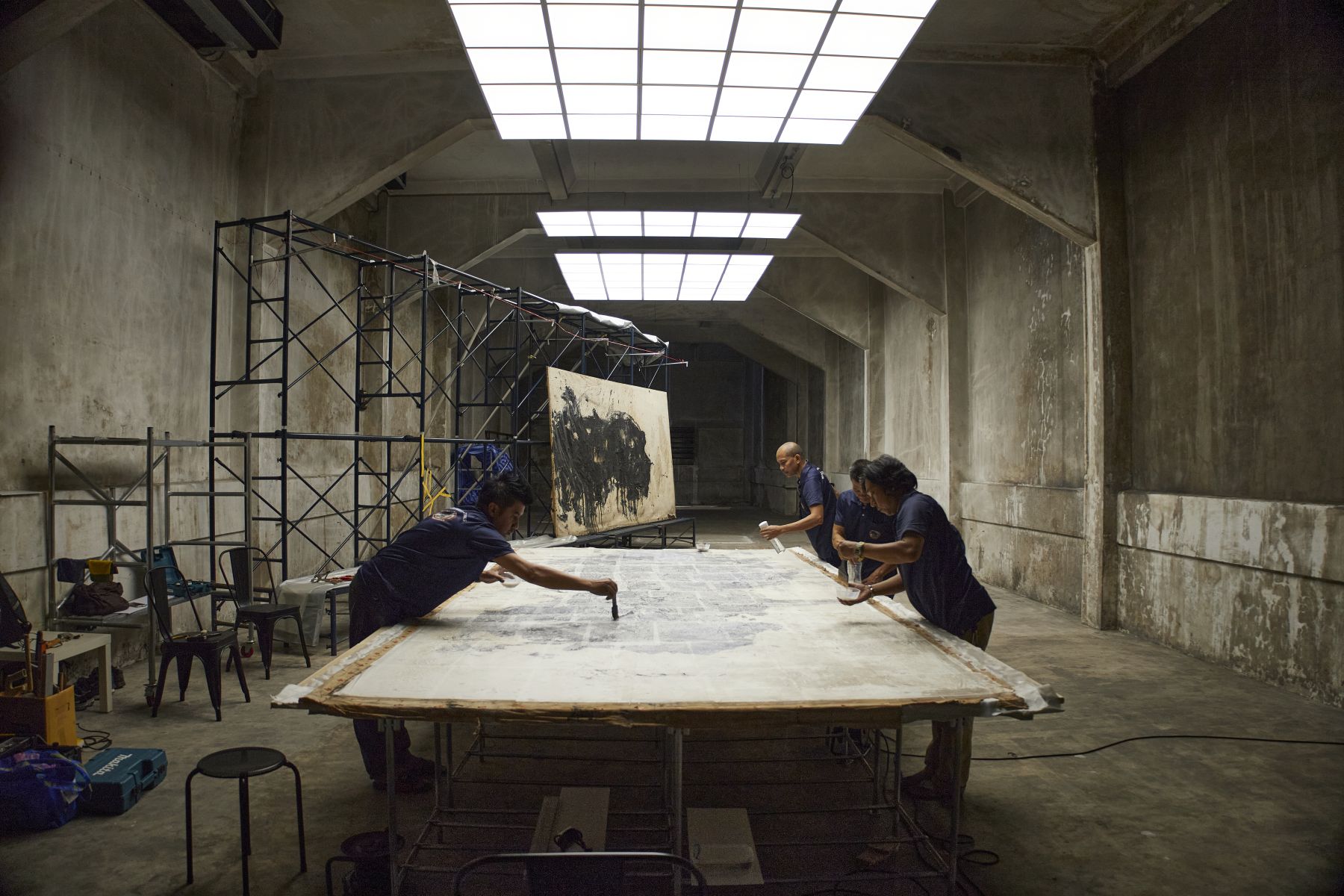
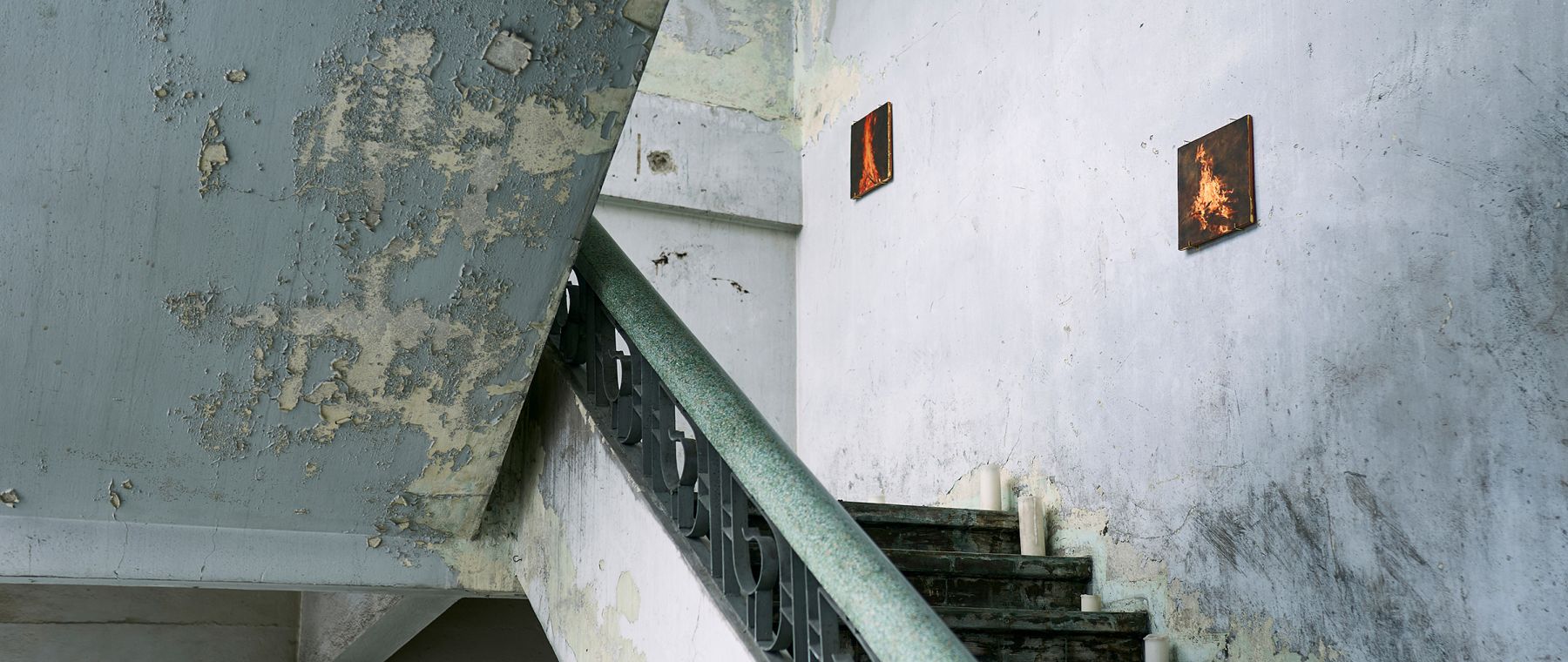
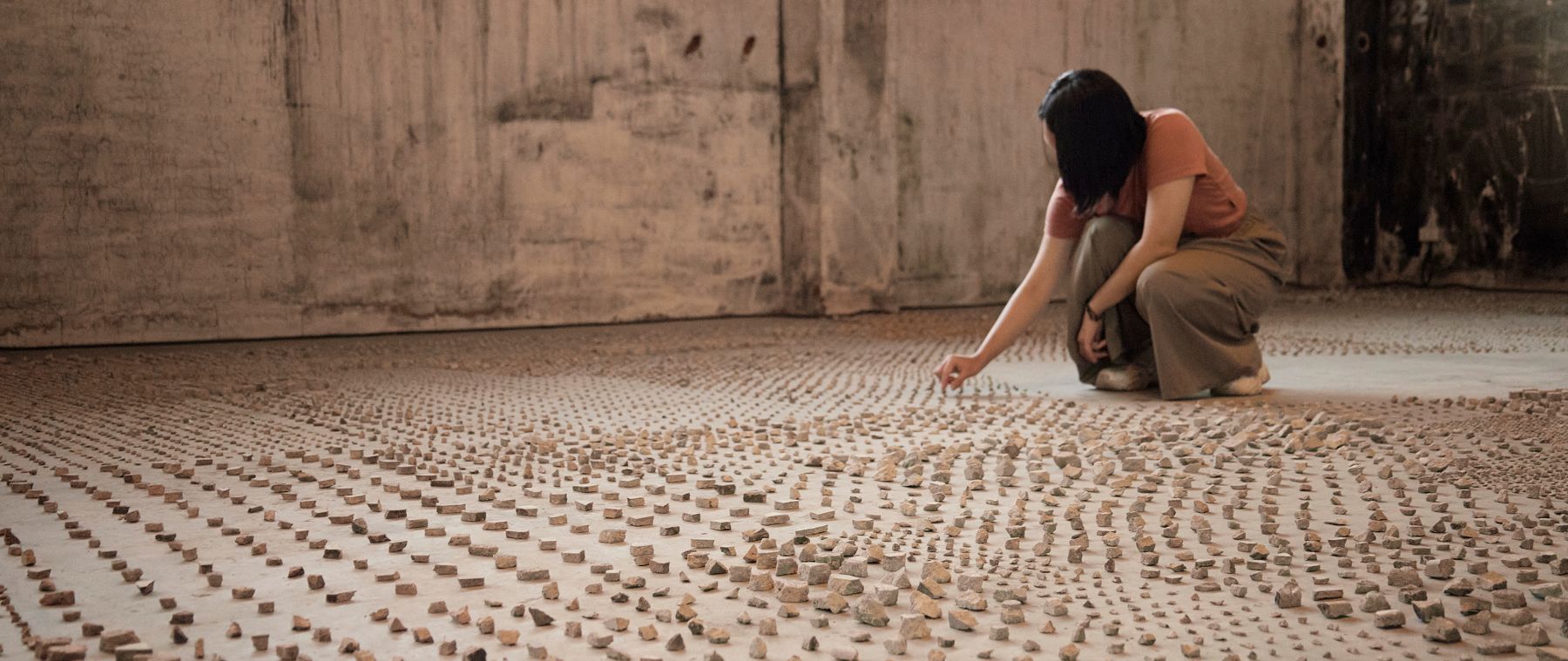
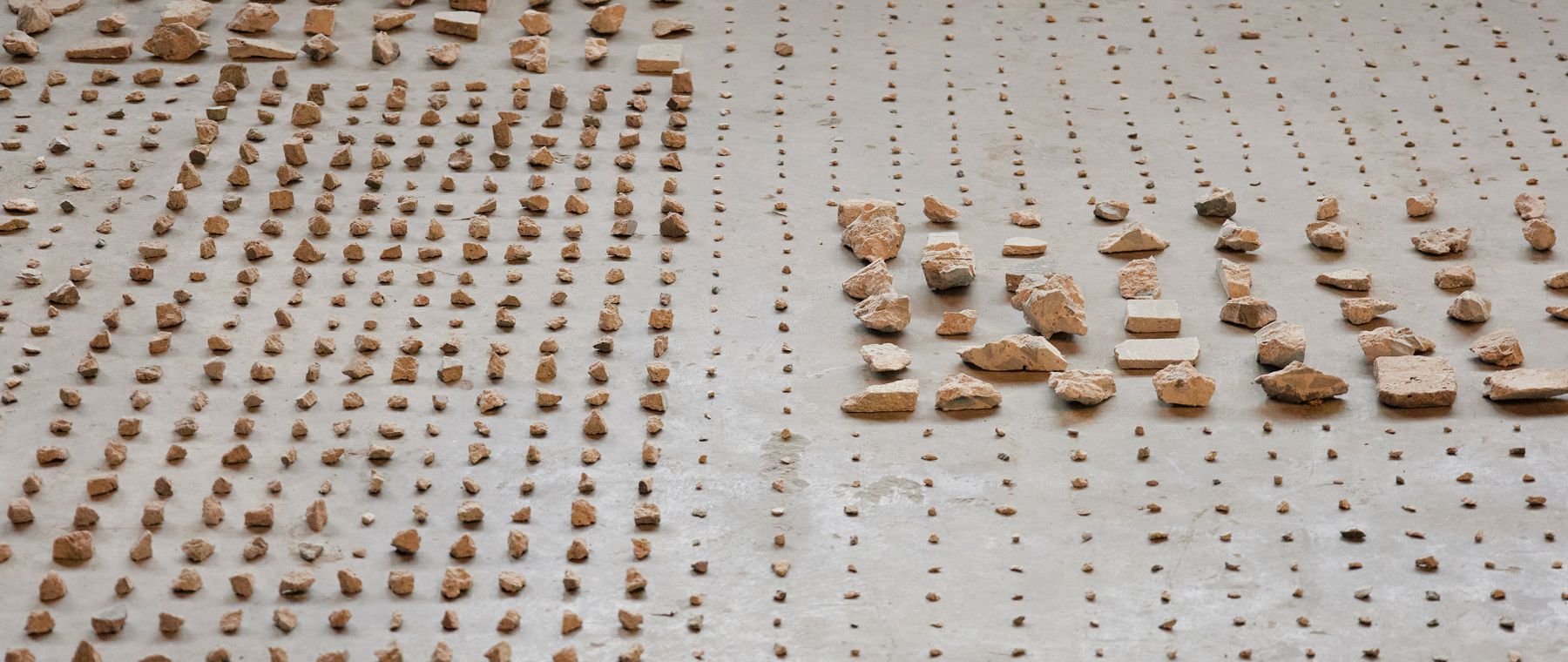
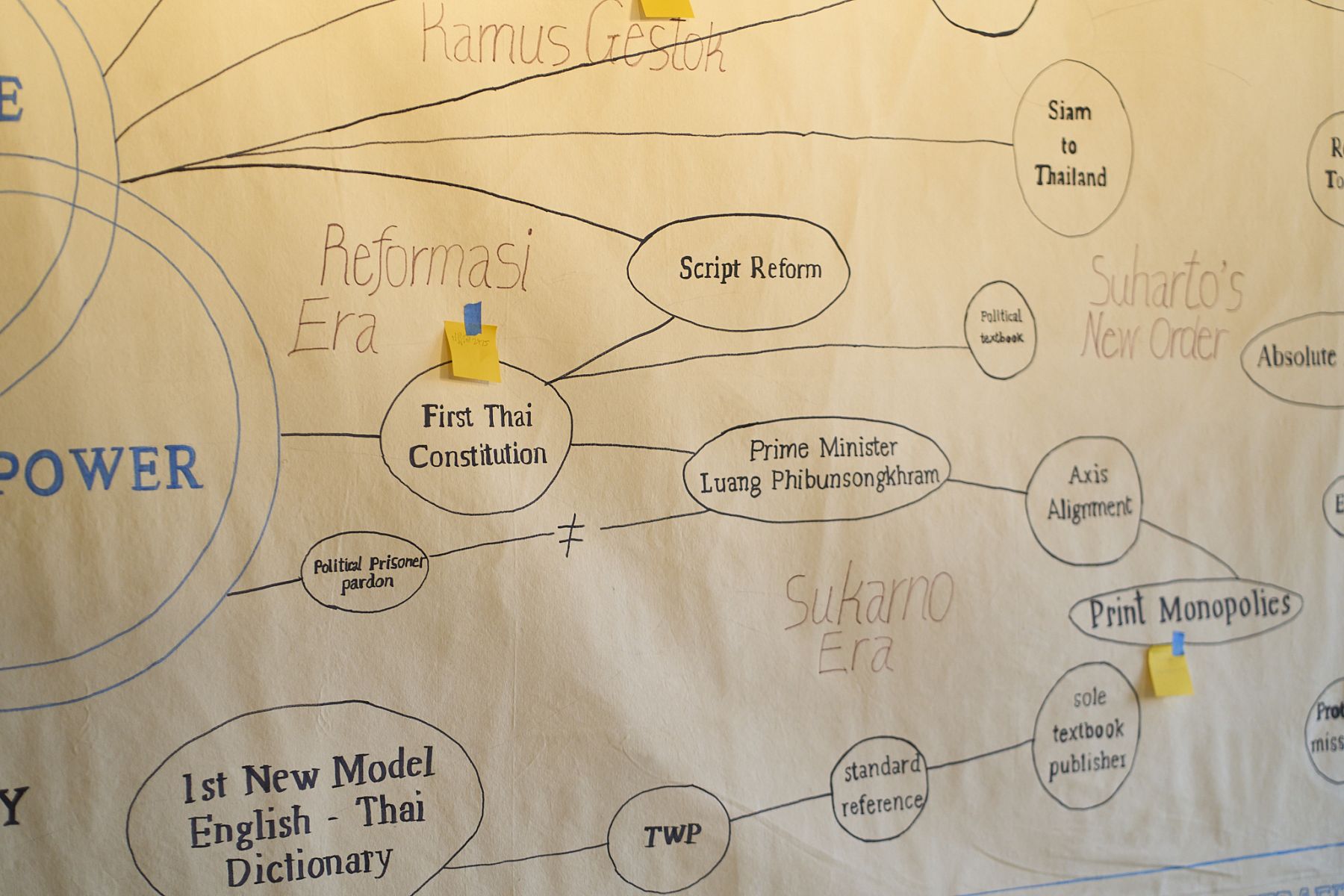
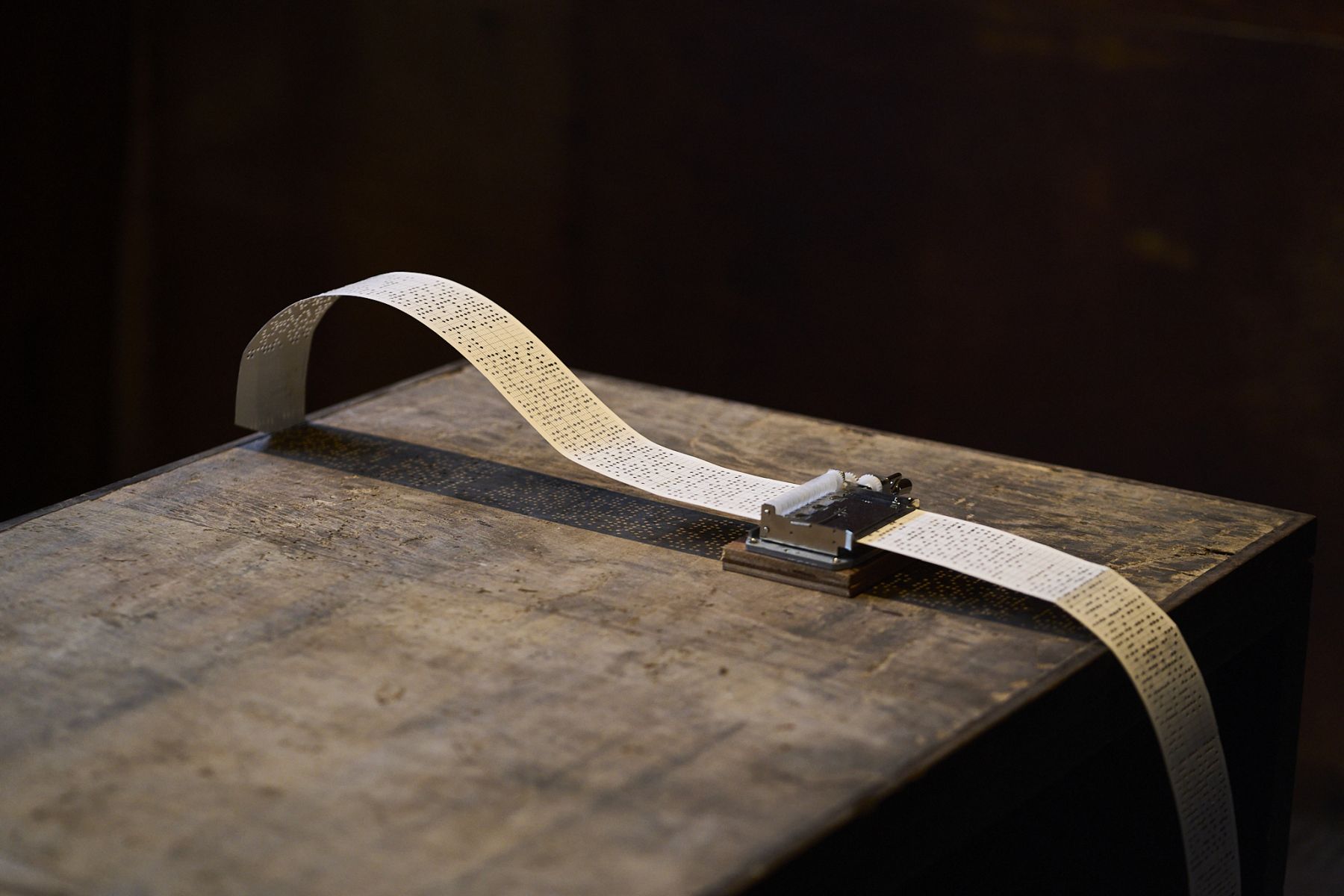
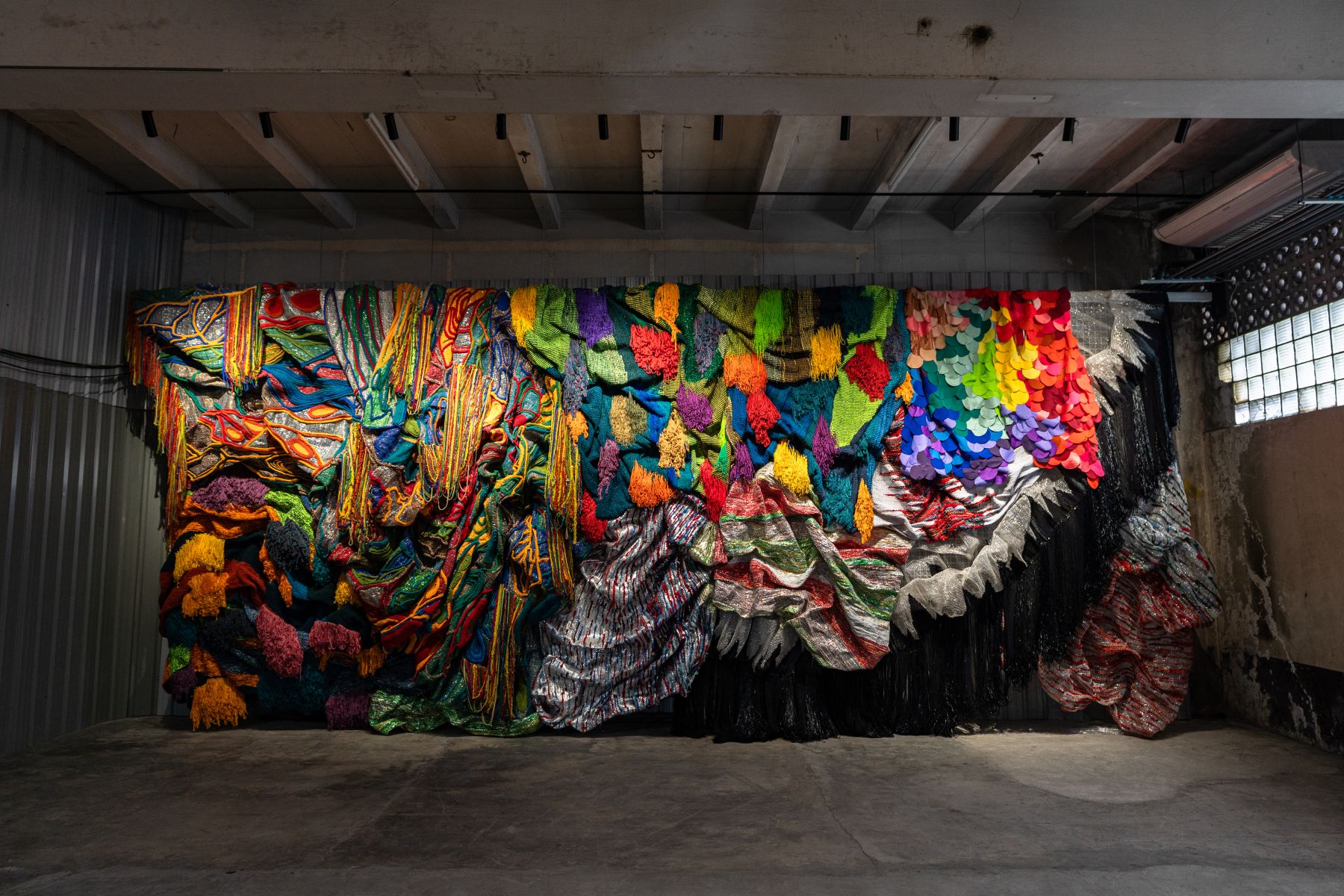
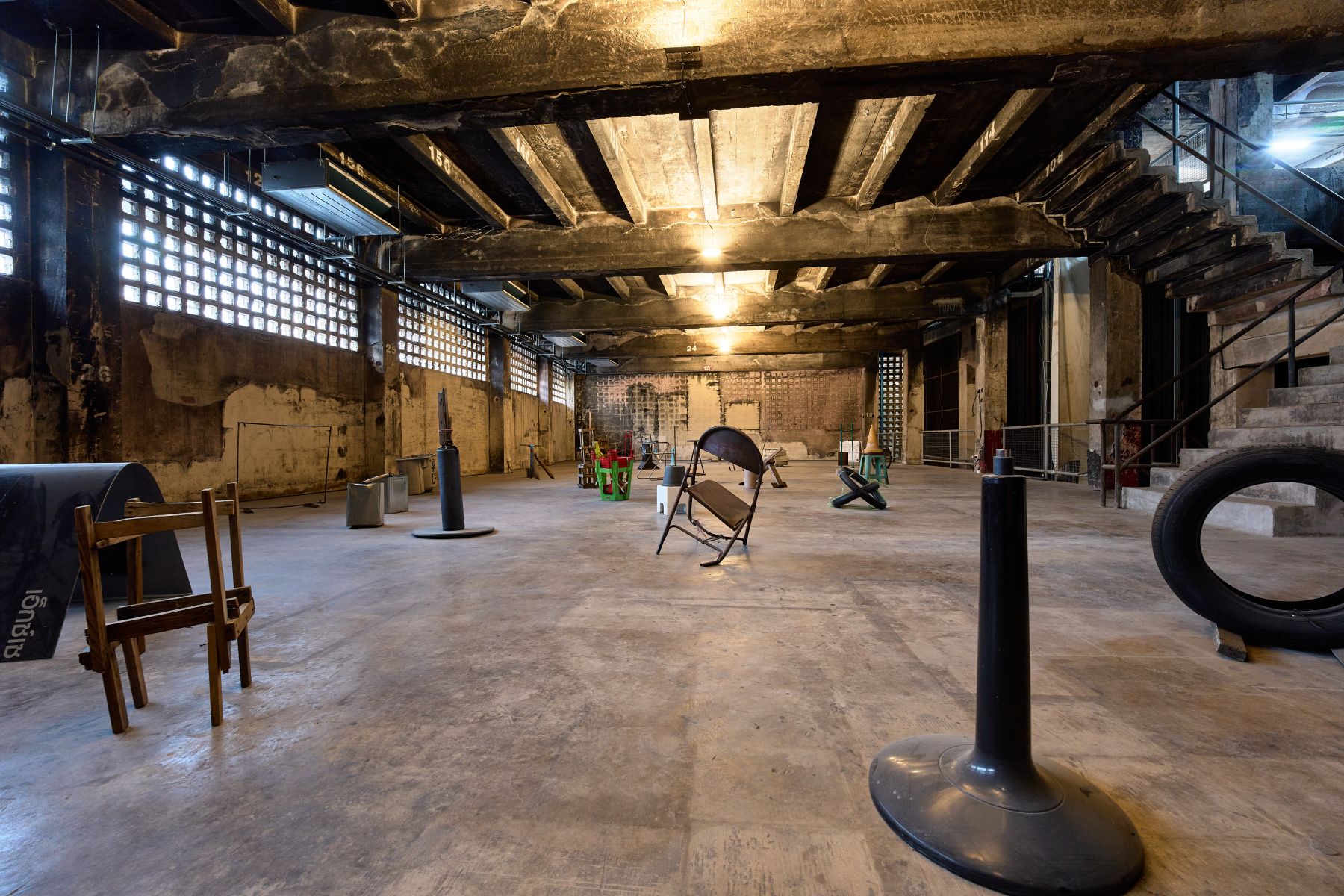
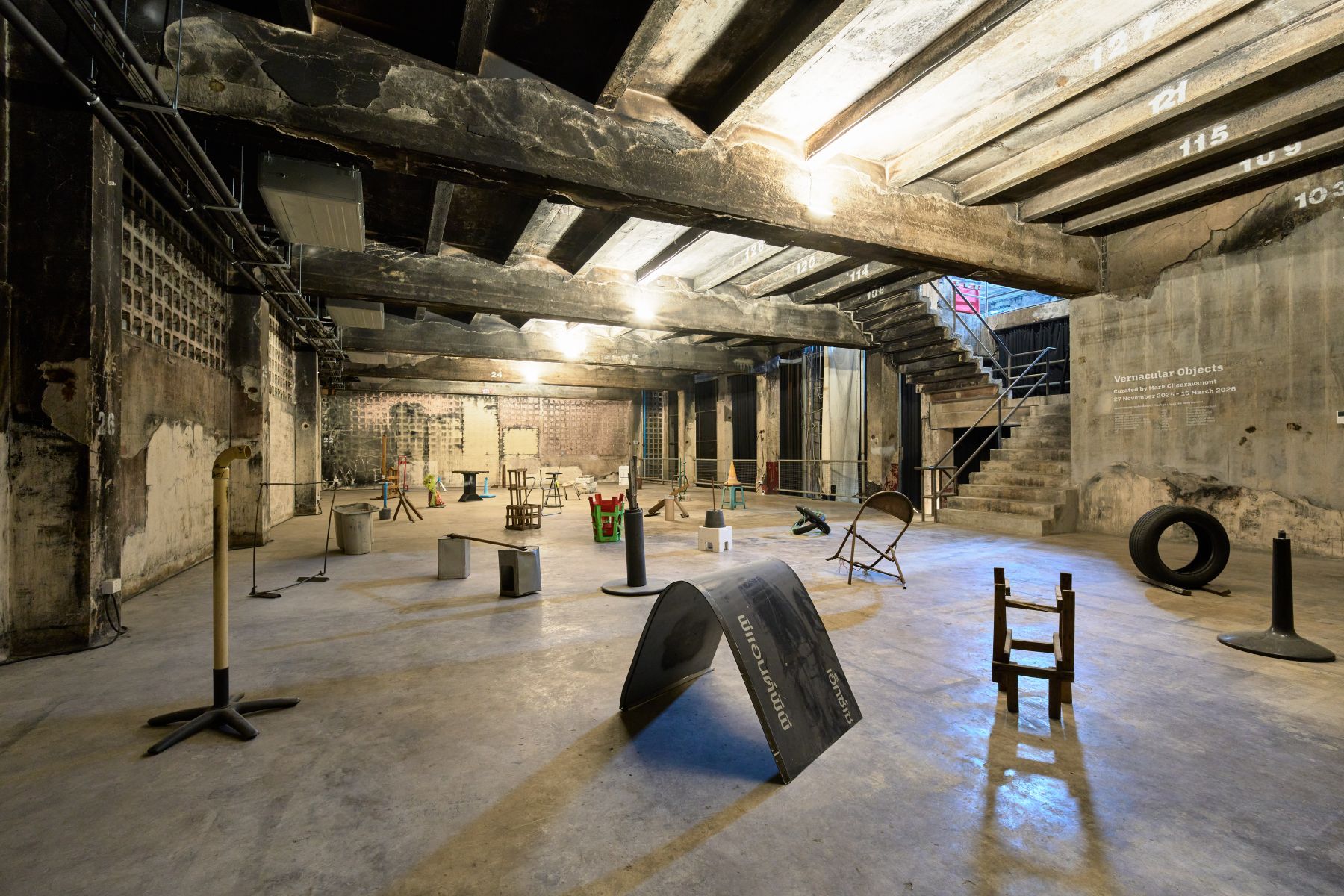
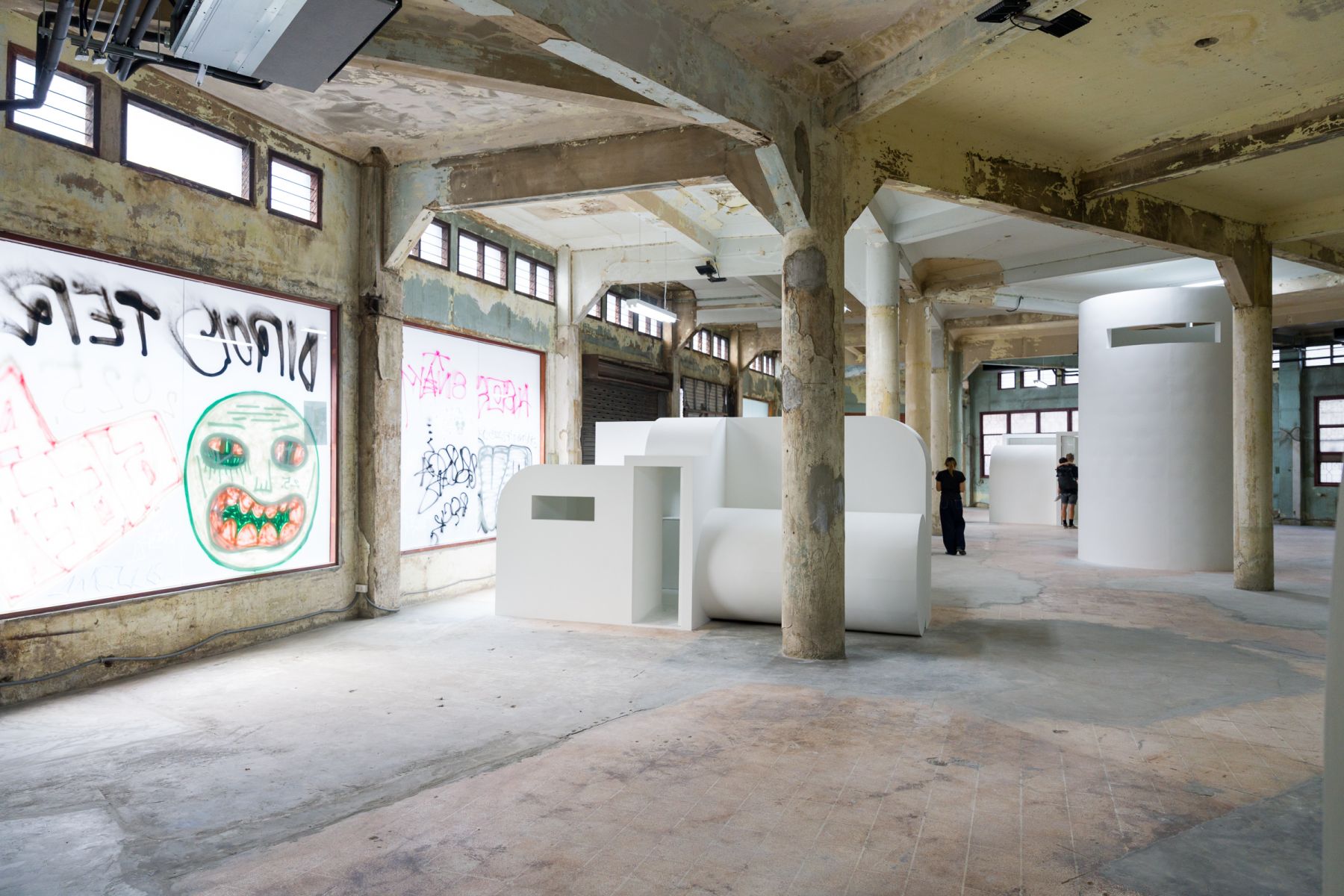
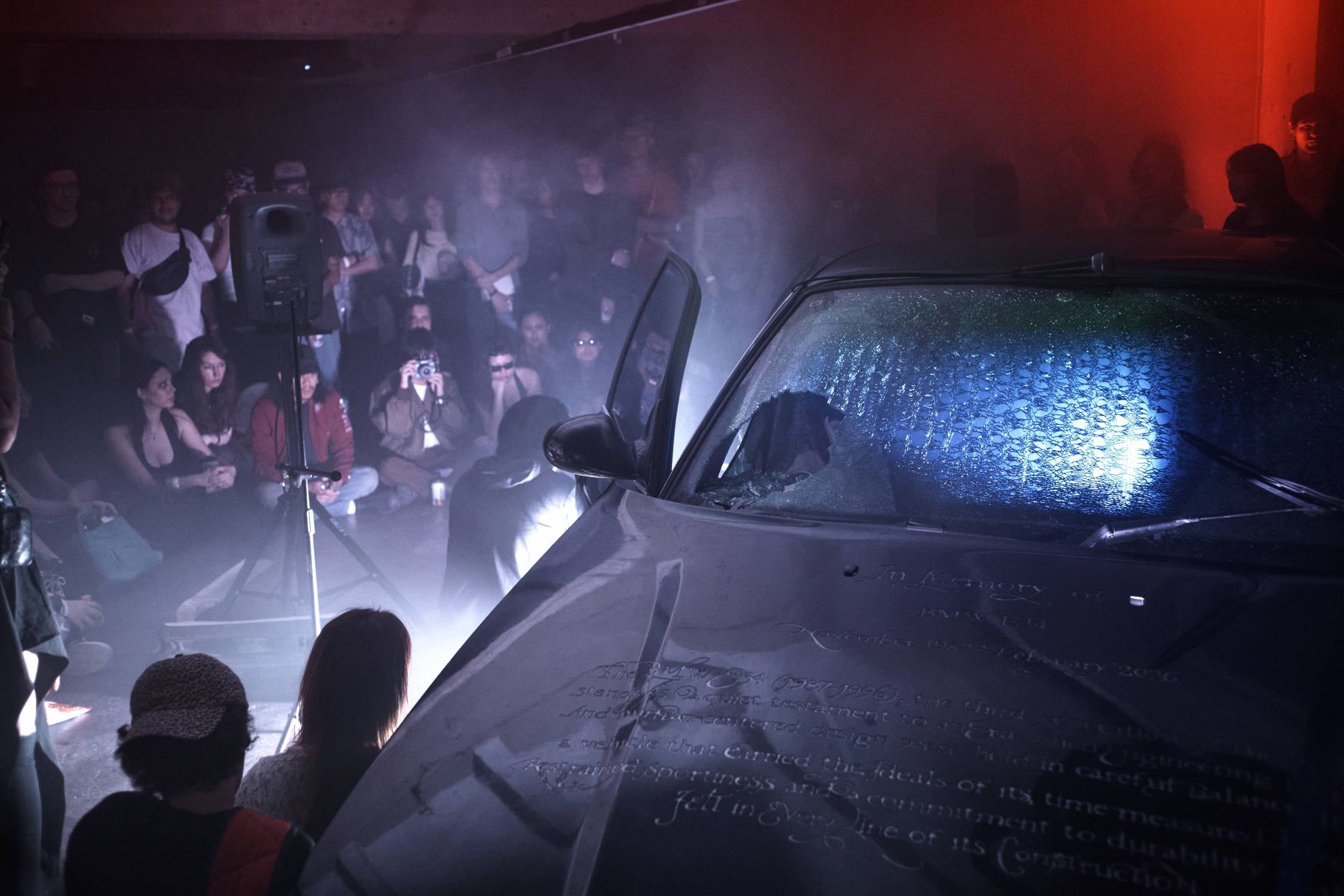
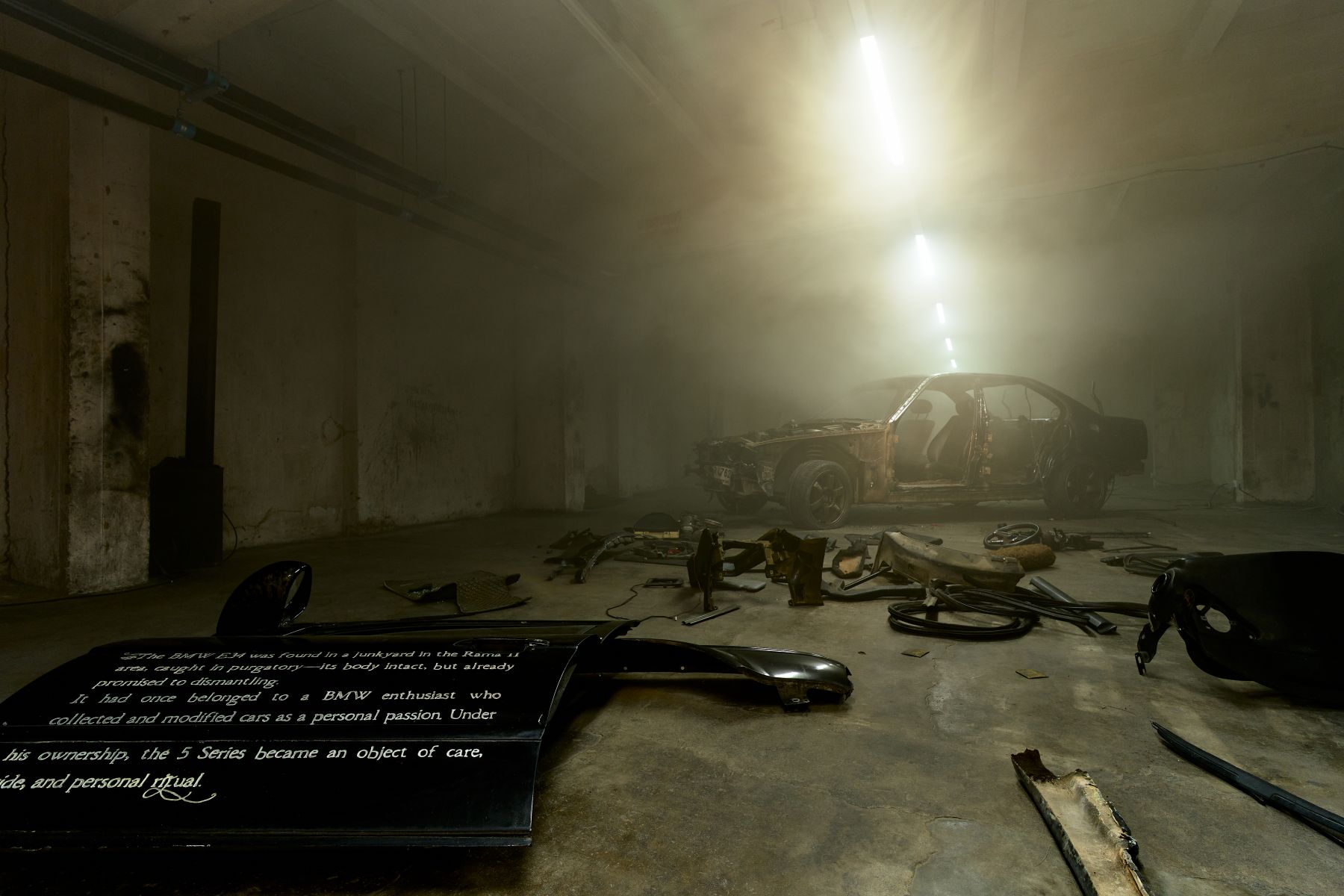
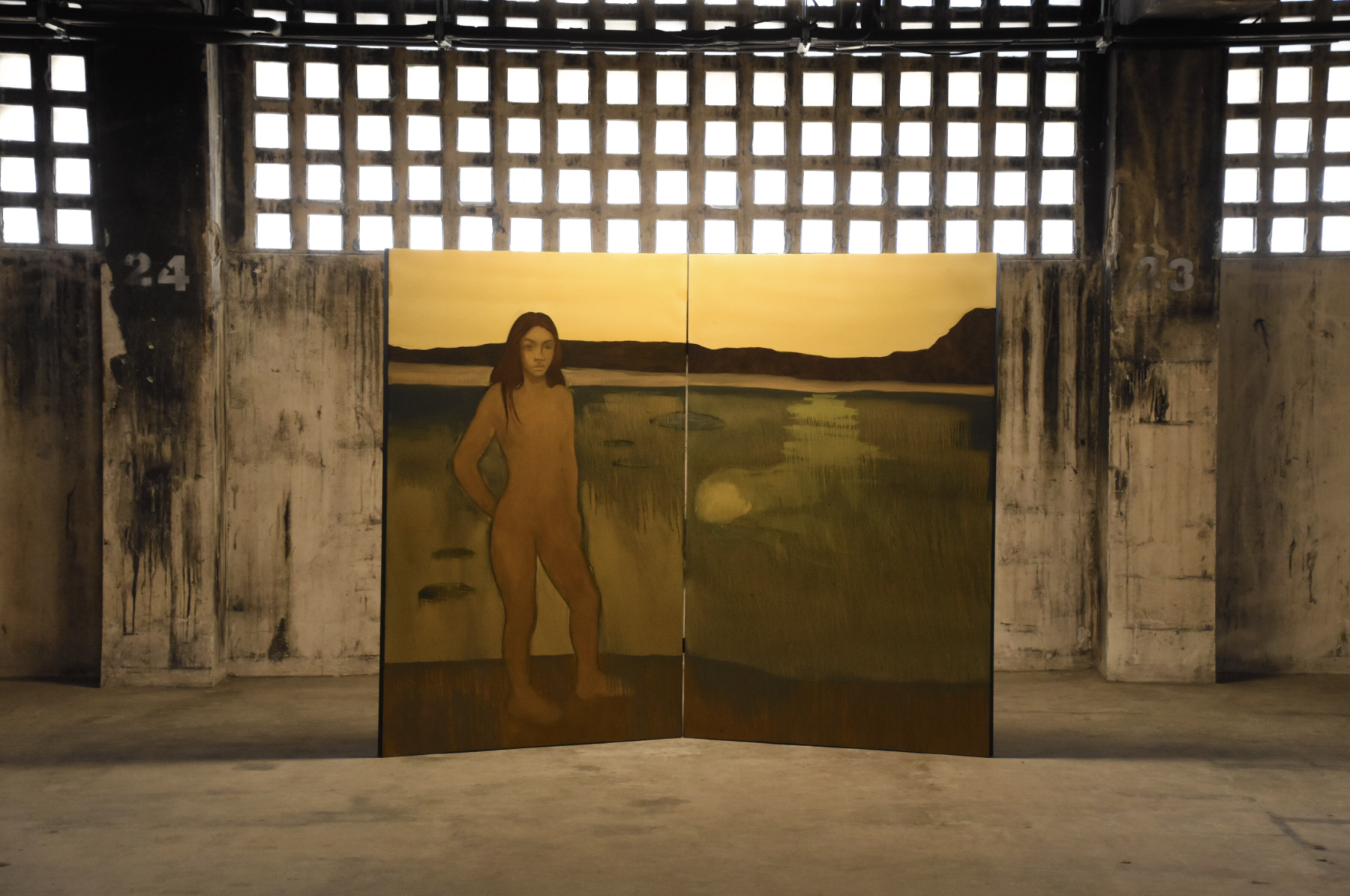
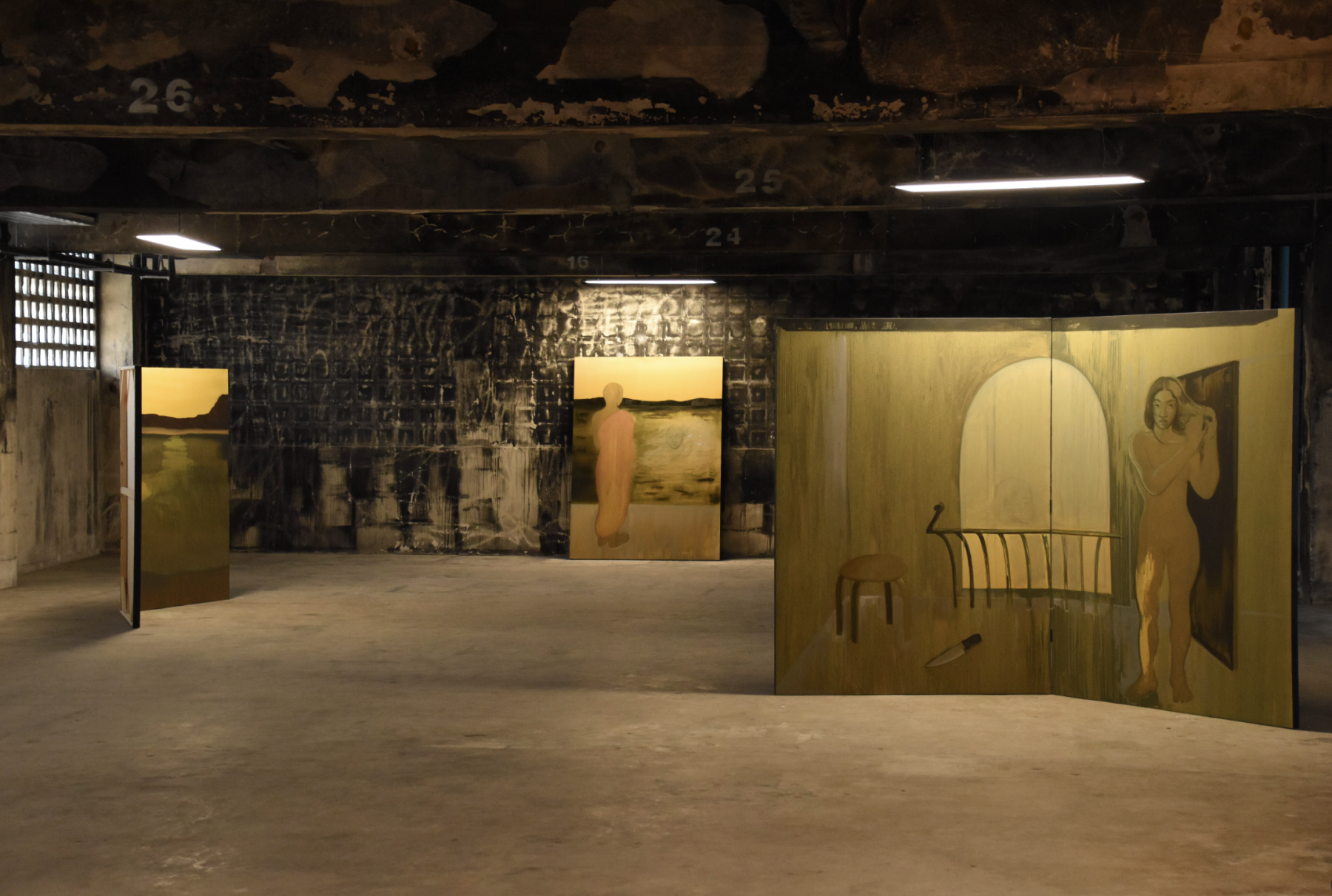
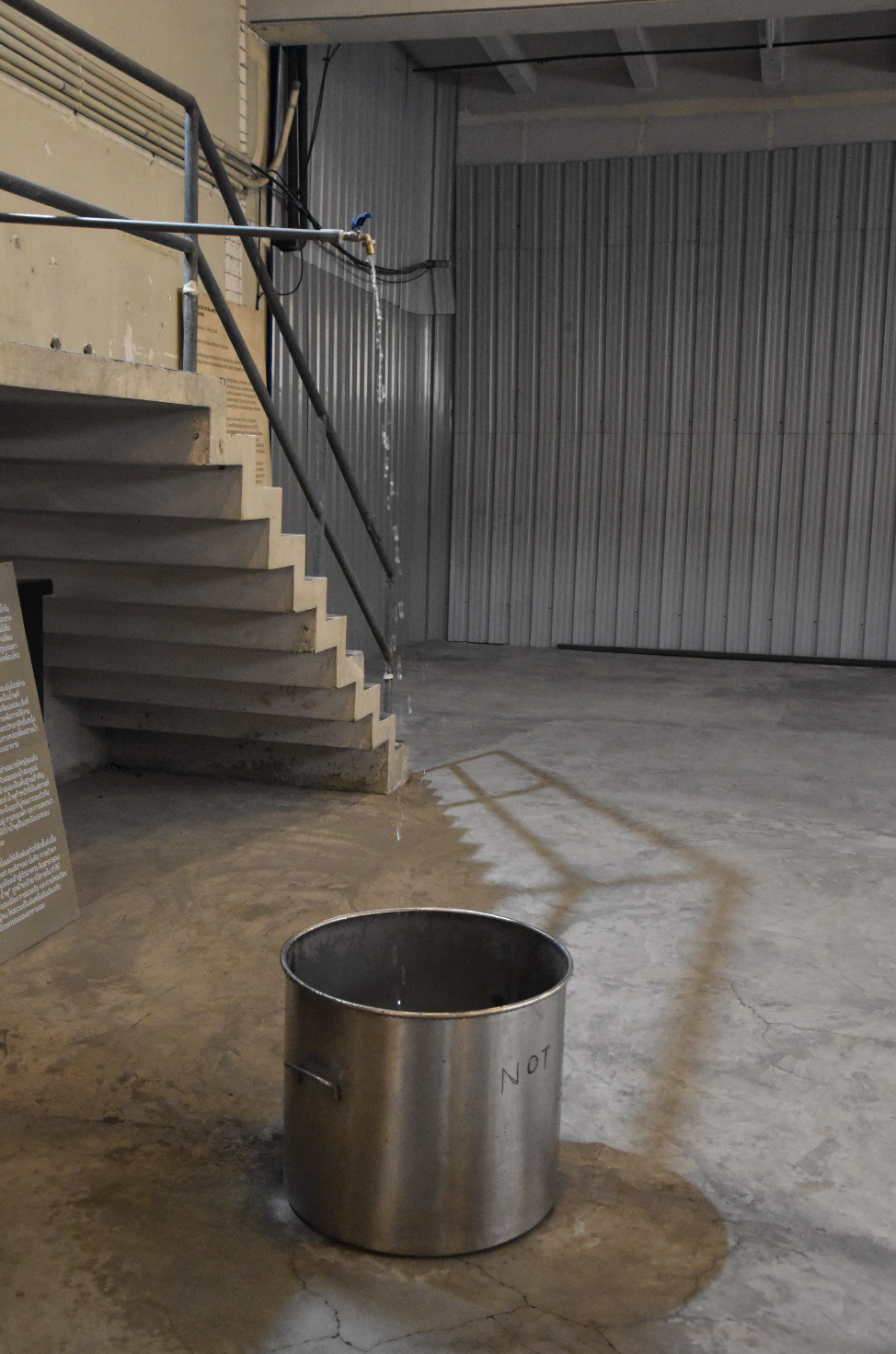
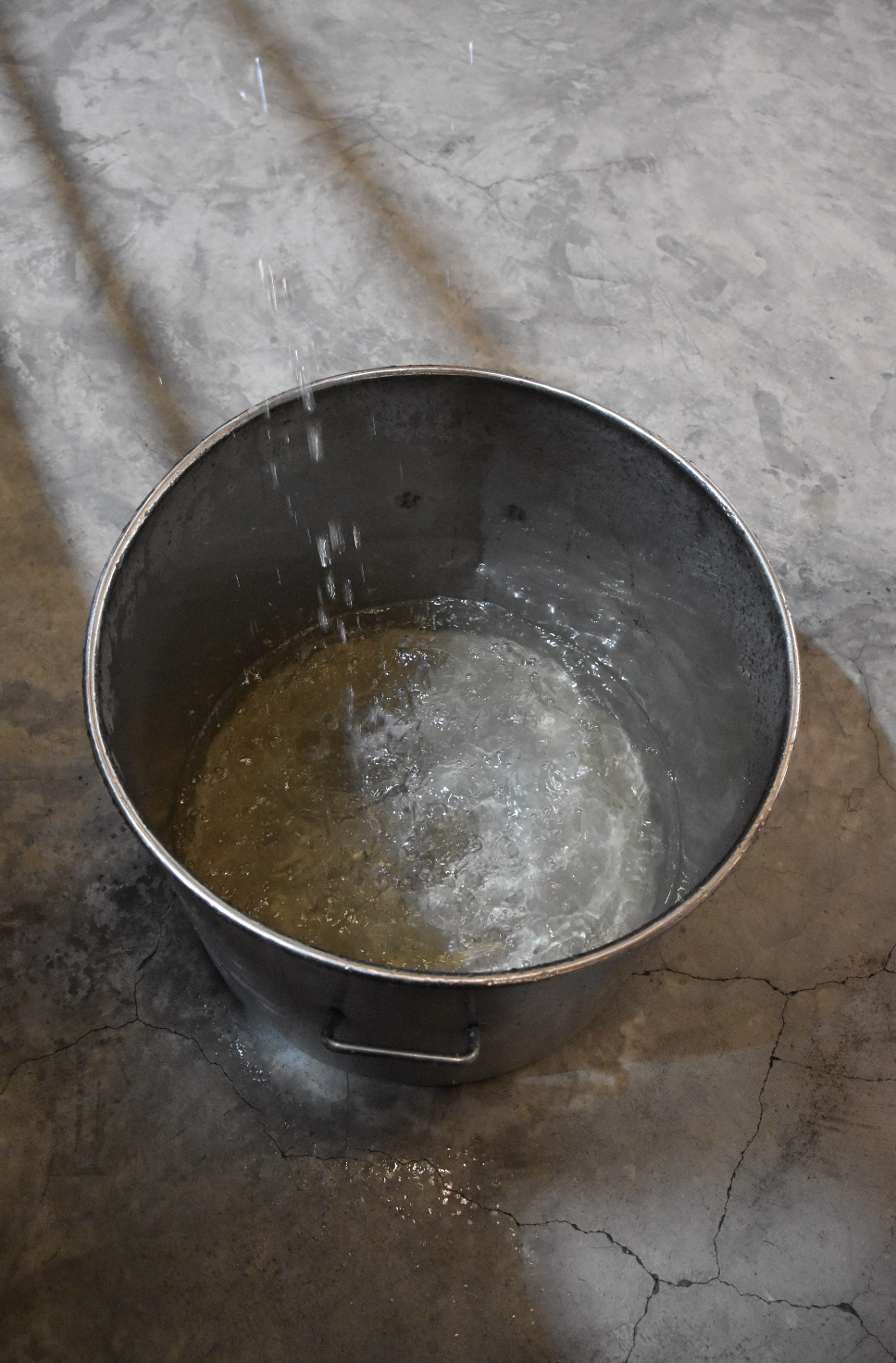
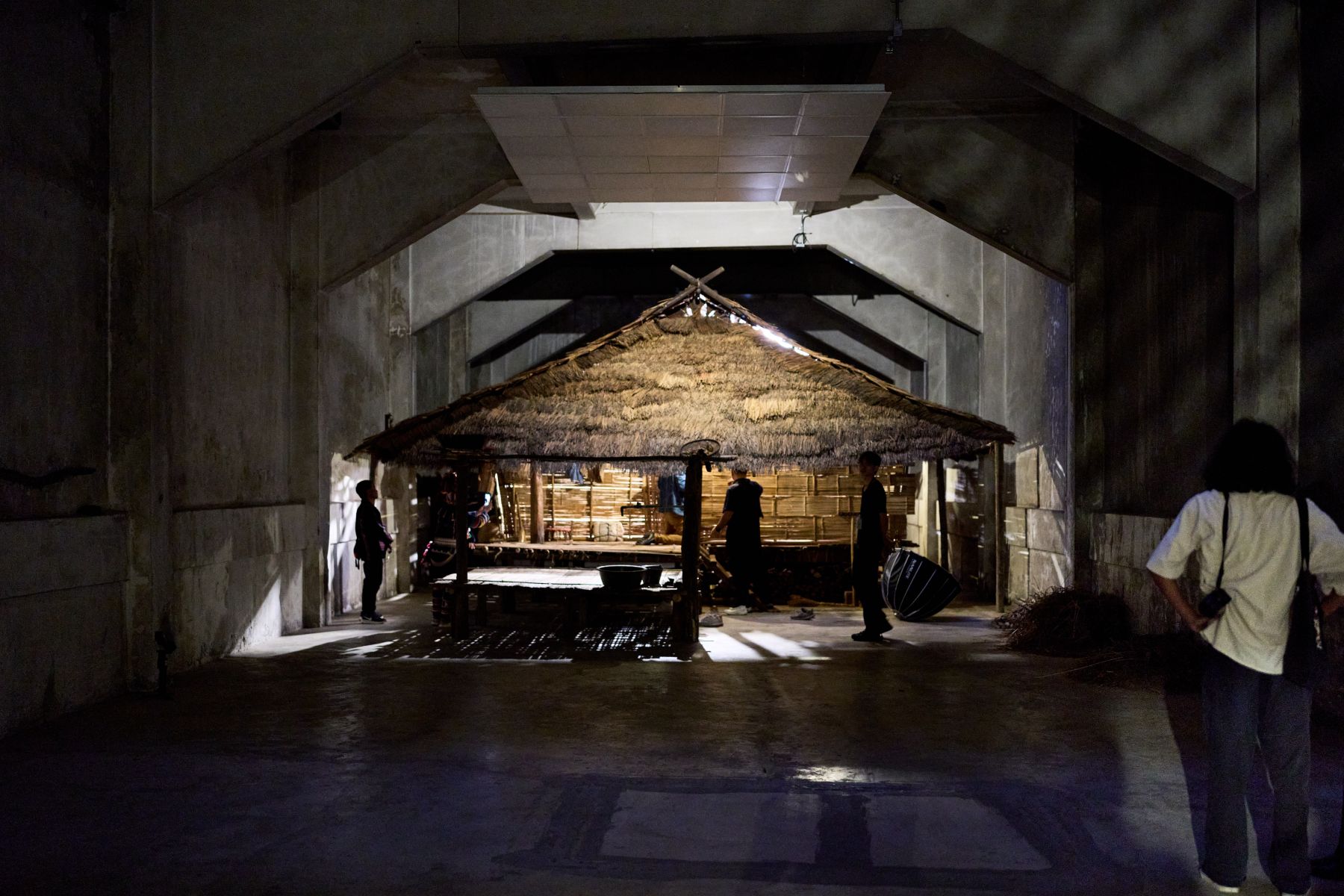
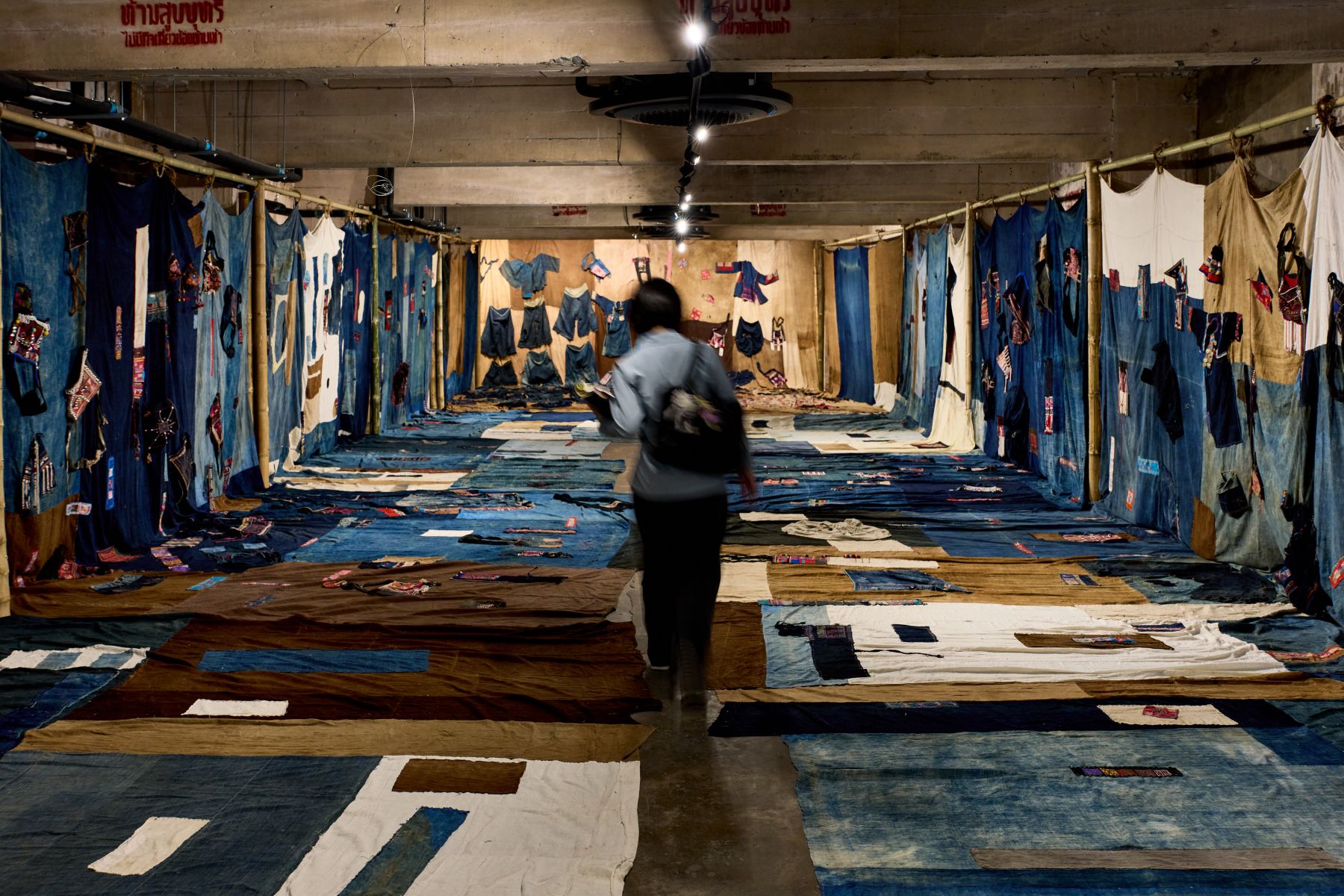
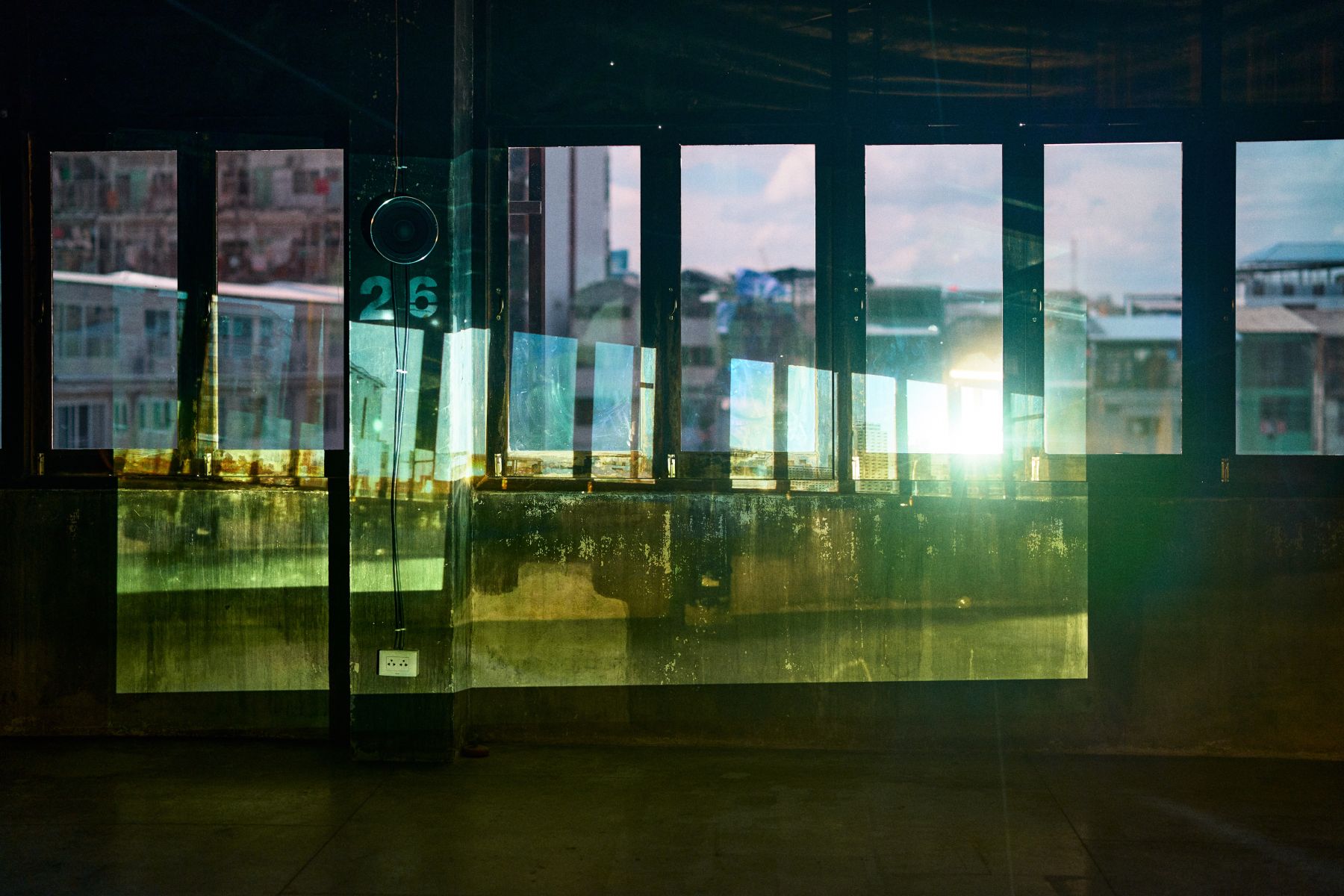
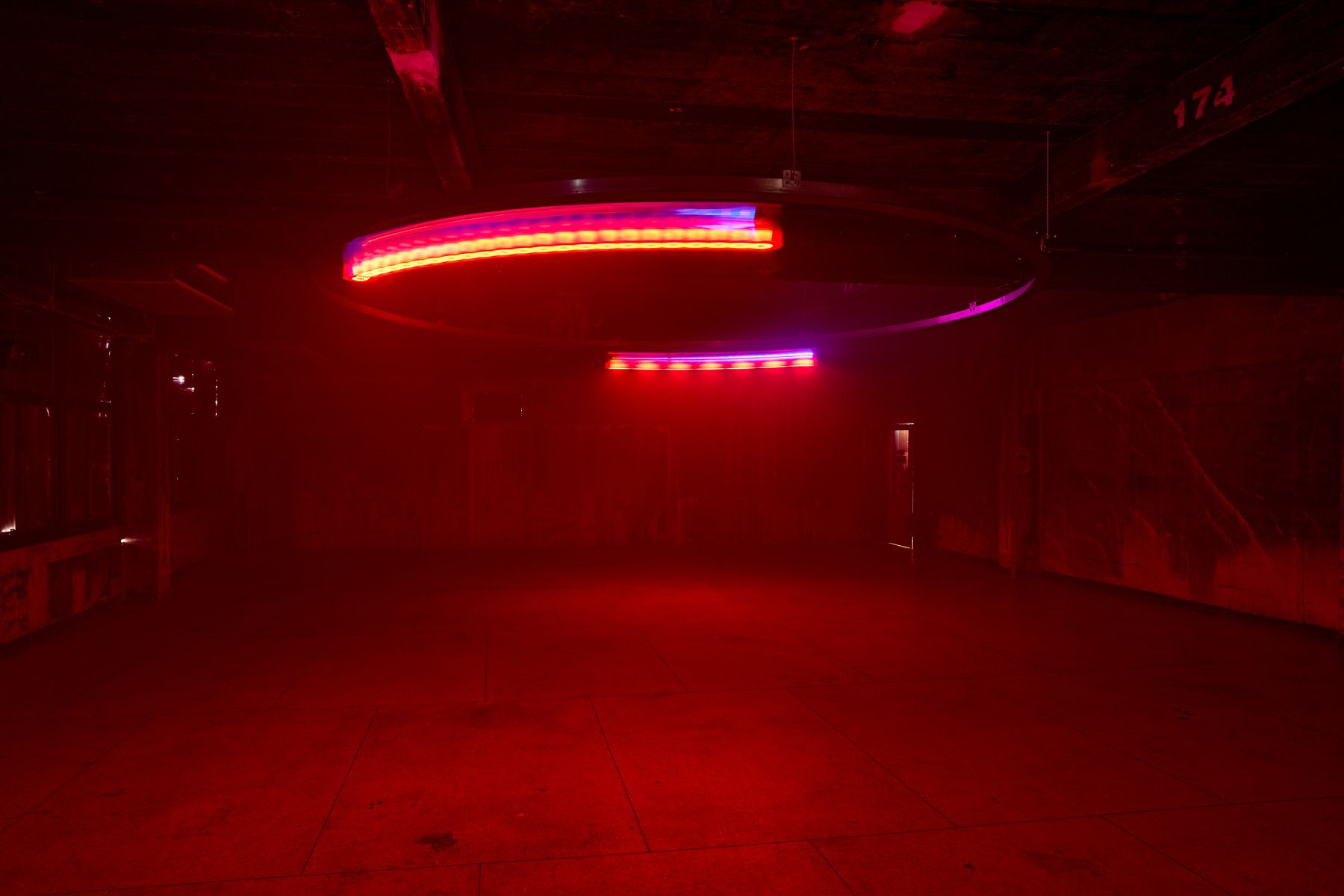
Founded in 2024 by Marisa Chearavanont, with Stefano Rabolli Pansera as its founding Artistic Director, Bangkok Kunsthalle is an independent, non-profit institution dedicated to artistic experimentation and production. Located in Bangkok’s Chinatown, it occupies the former Thai Wattana Panich printing house, a 6,000-square-metre Brutalist complex devastated by fire in 2001 and abandoned for over two decades.
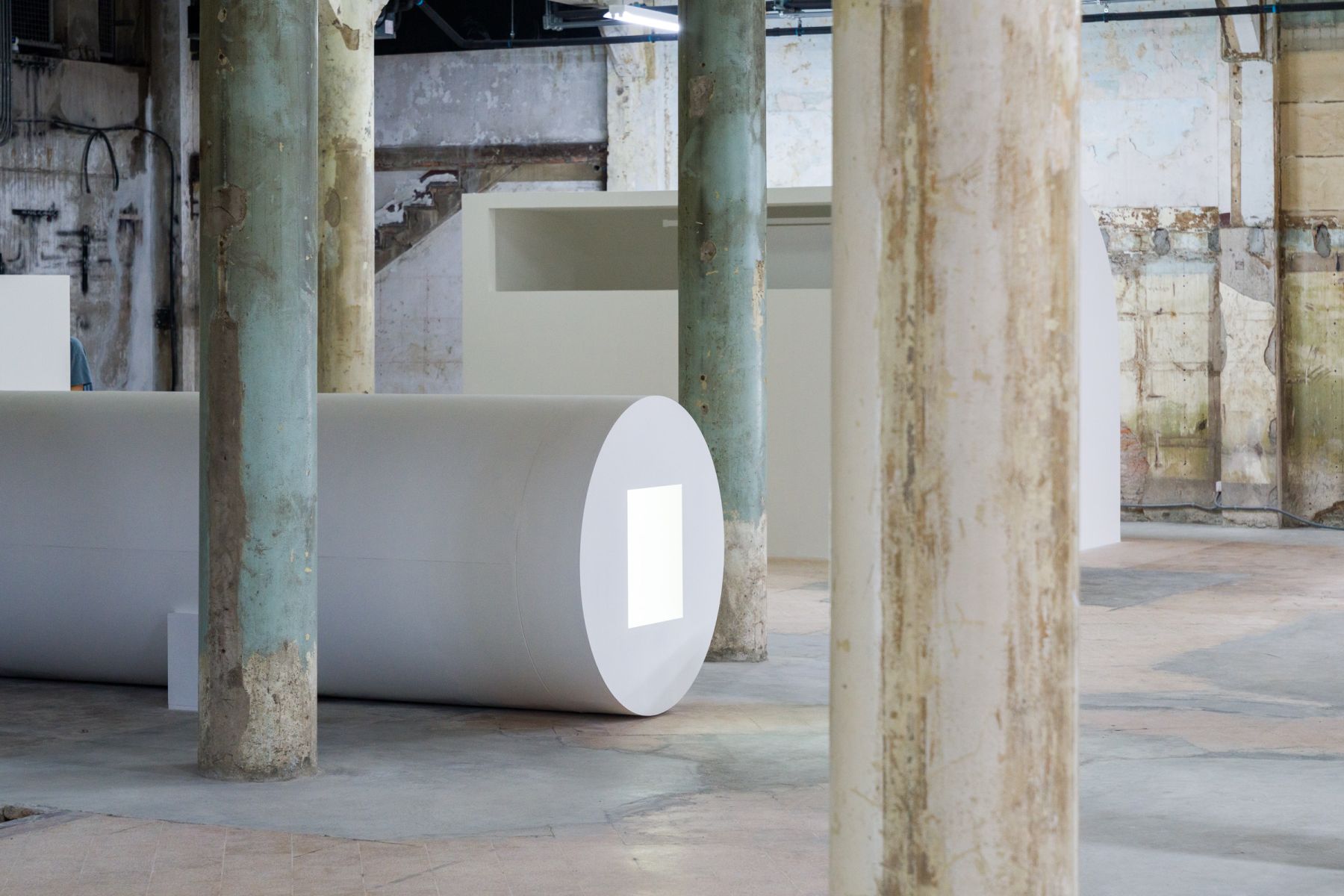
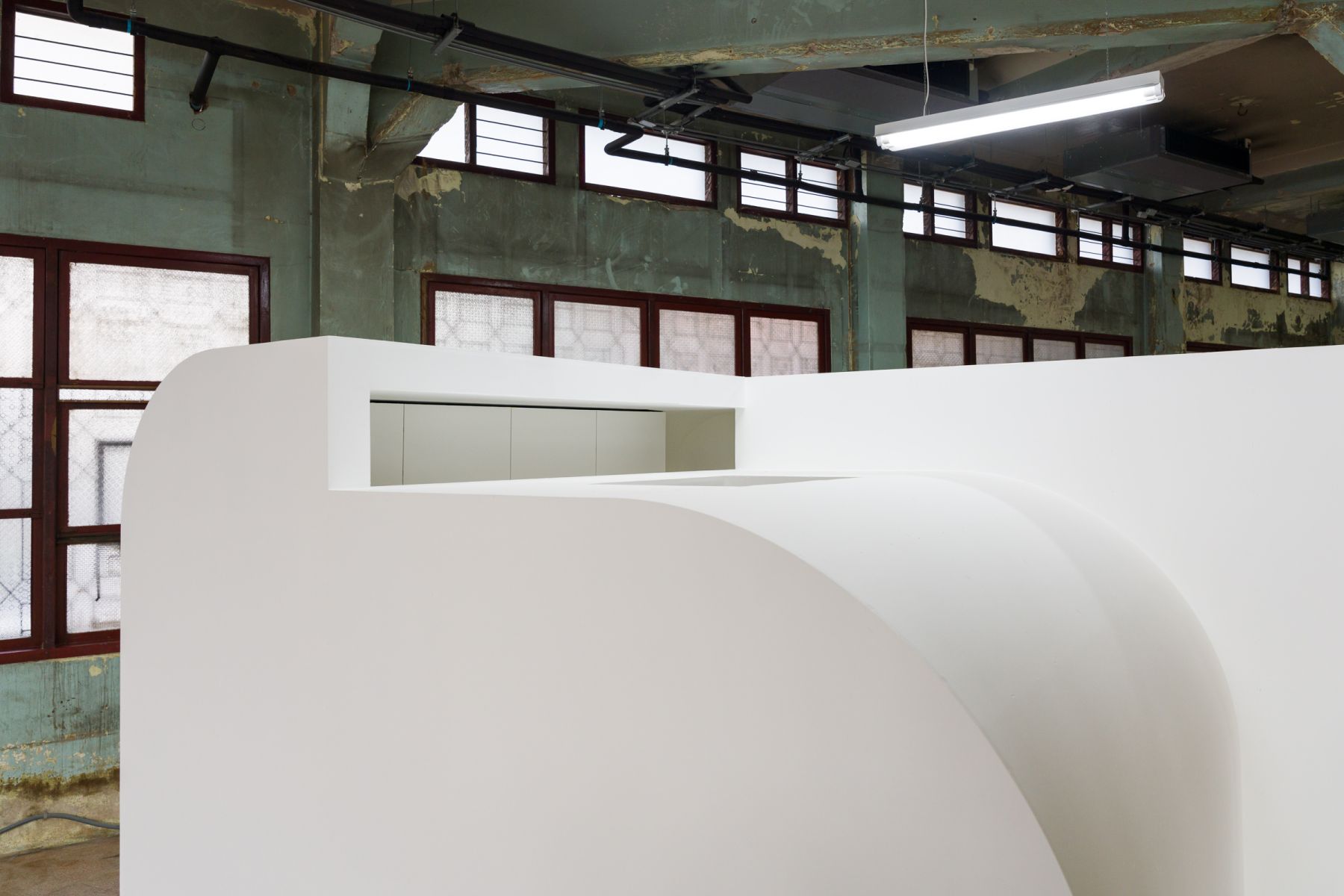
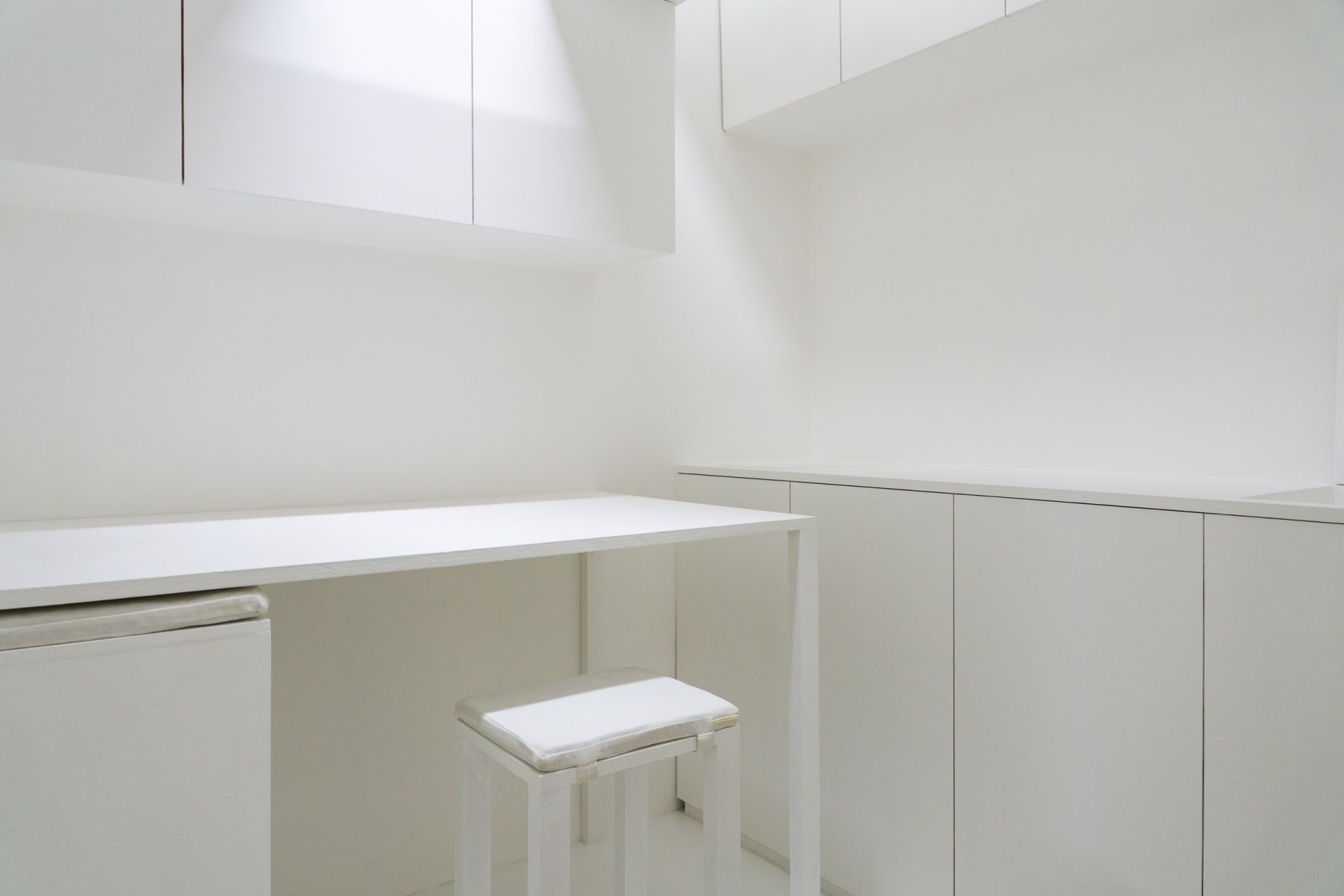
Bangkok Kunsthalle proposes a different institutional model: a kunsthalle without a collection, where the curatorial programme becomes the architectural project itself. Rather than restoring the building to a predetermined condition, its transformation unfolds progressively through artistic interventions. This process, described as architectural domestication, establishes a reciprocal relationship between art and architecture: the building informs the artworks, while the artworks transform the building. Each exhibition becomes an act of inhabitation, contributing to an evolving architectural palimpsest.
The institution’s programme explores art as a practice capable of generating new spatial, social and cultural possibilities through encounters with Thai and international artists, including Michel Auder, Korakrit Arunanondchai, Yoko Ono, Richard Nonas, Tang Chang, Absalon, Busui Ajaw, Bas Jan Ader and Bruce Nauman.
These projects are not isolated exhibitions but successive acts in the construction of an institution whose identity remains deliberately unfinished. Performances, experimental cinema, residencies, publications and educational programmes extend this approach beyond the exhibition format, creating opportunities for encounters between artists, practitioners and audiences.
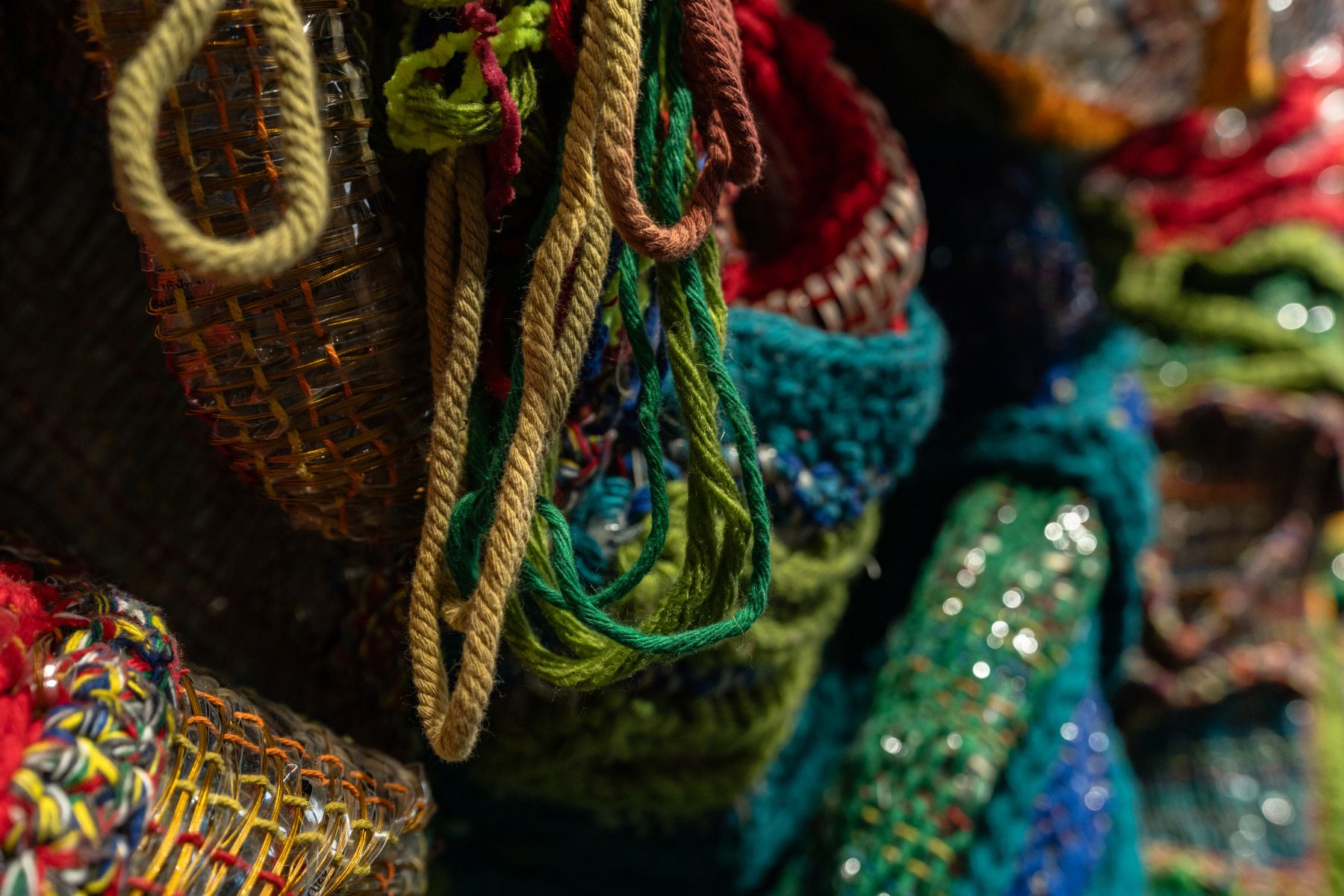
Embedded within the dense urban fabric of Yaowarat, Bangkok Kunsthalle understands its relationship with the city as a process of mutual transformation. Vernacular practices, local craftsmanship and everyday activities become integral to its architectural and cultural development. Its ambition is not to establish an autonomous cultural monument, but to create a porous institution capable of participating in the life of its surroundings.
Together with Khao Yai Art Forest, Bangkok Kunsthalle forms part of a broader proposition: art as an act of healing, addressing the urban jungle and the natural forest through distinct but complementary practices of care. Ultimately, Bangkok Kunsthalle understands curating as an architectural domestication: not preserving the ruins, not restoring the space for art, but allowing the space to be used for new forms of dwelling and imagination.
Khao Yai Art Forest
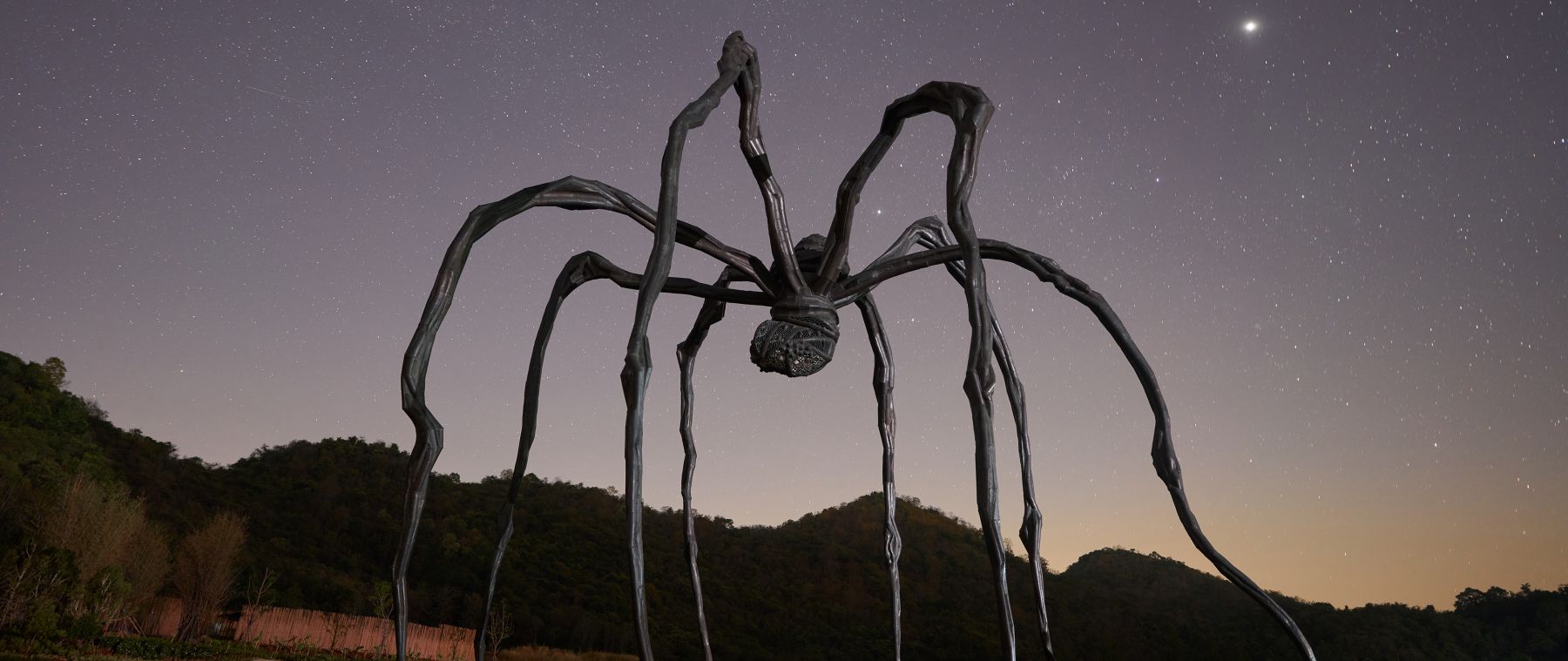
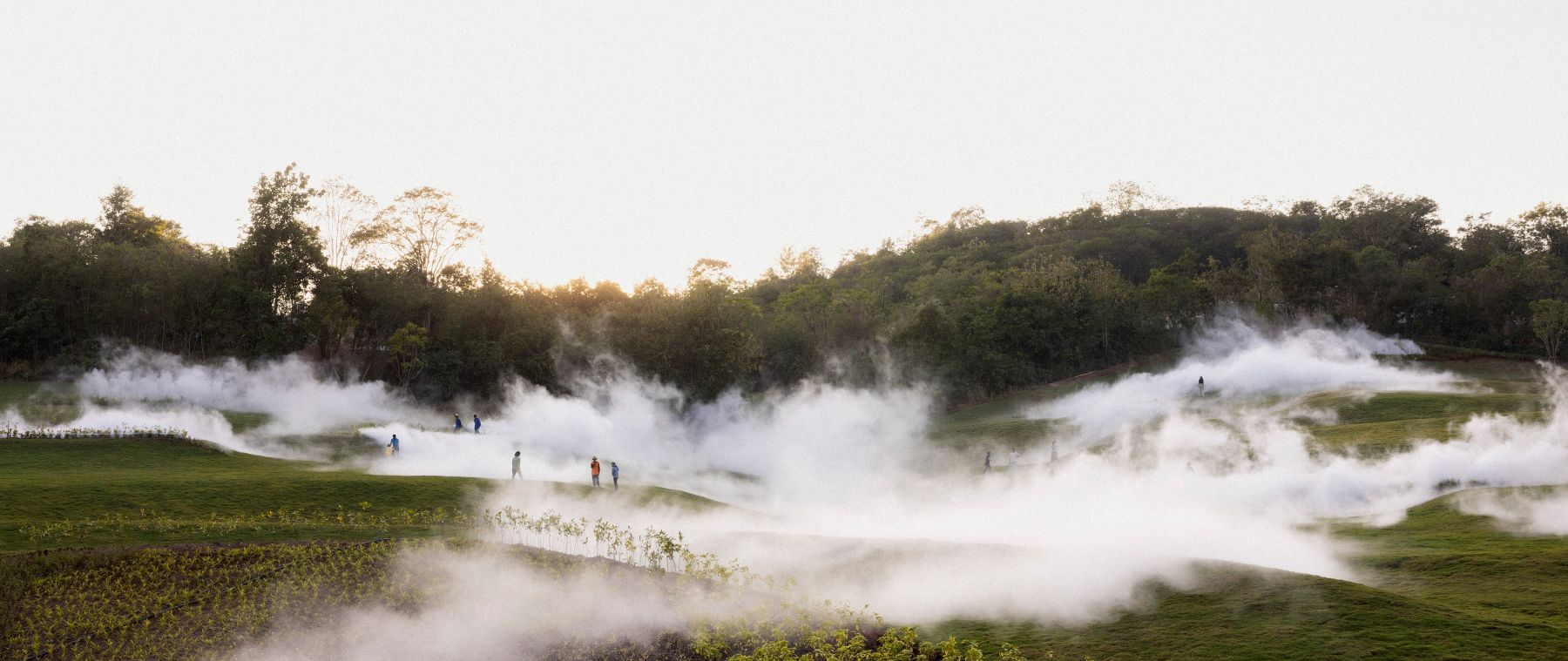
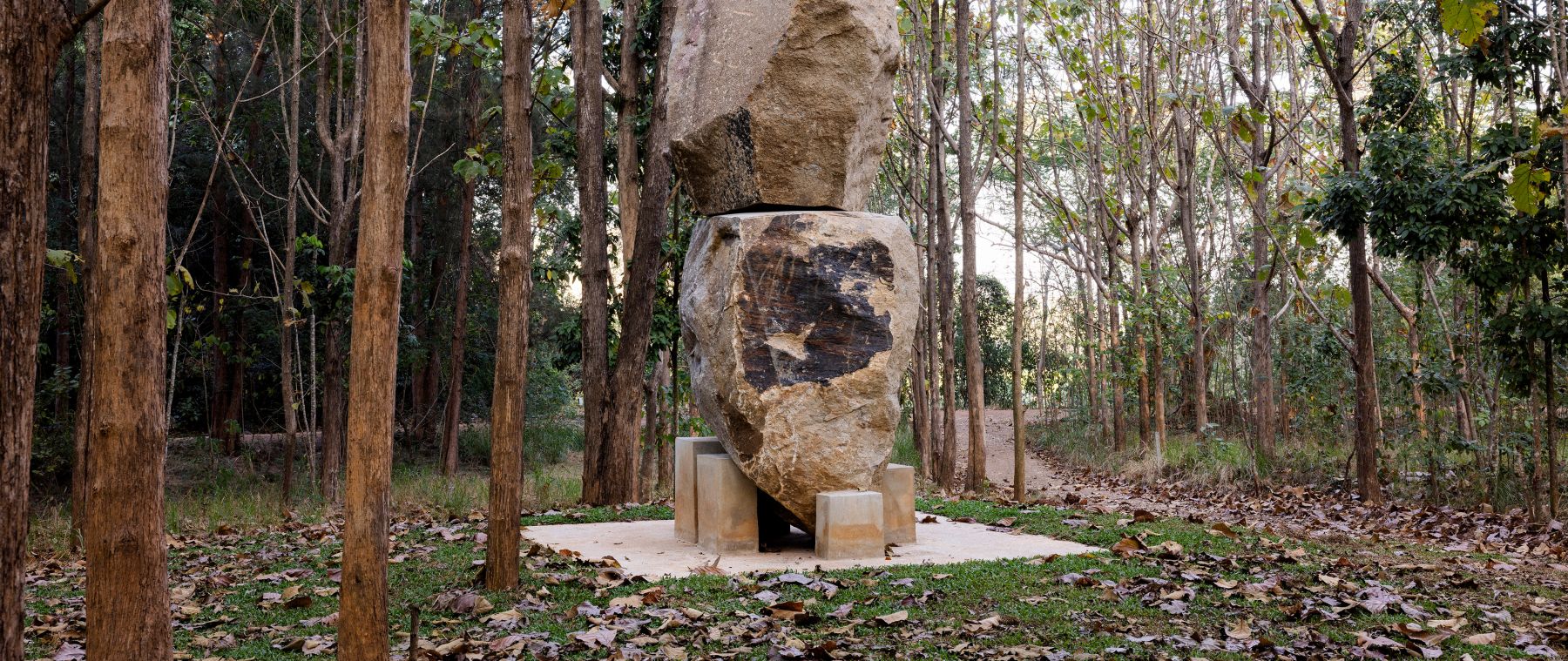
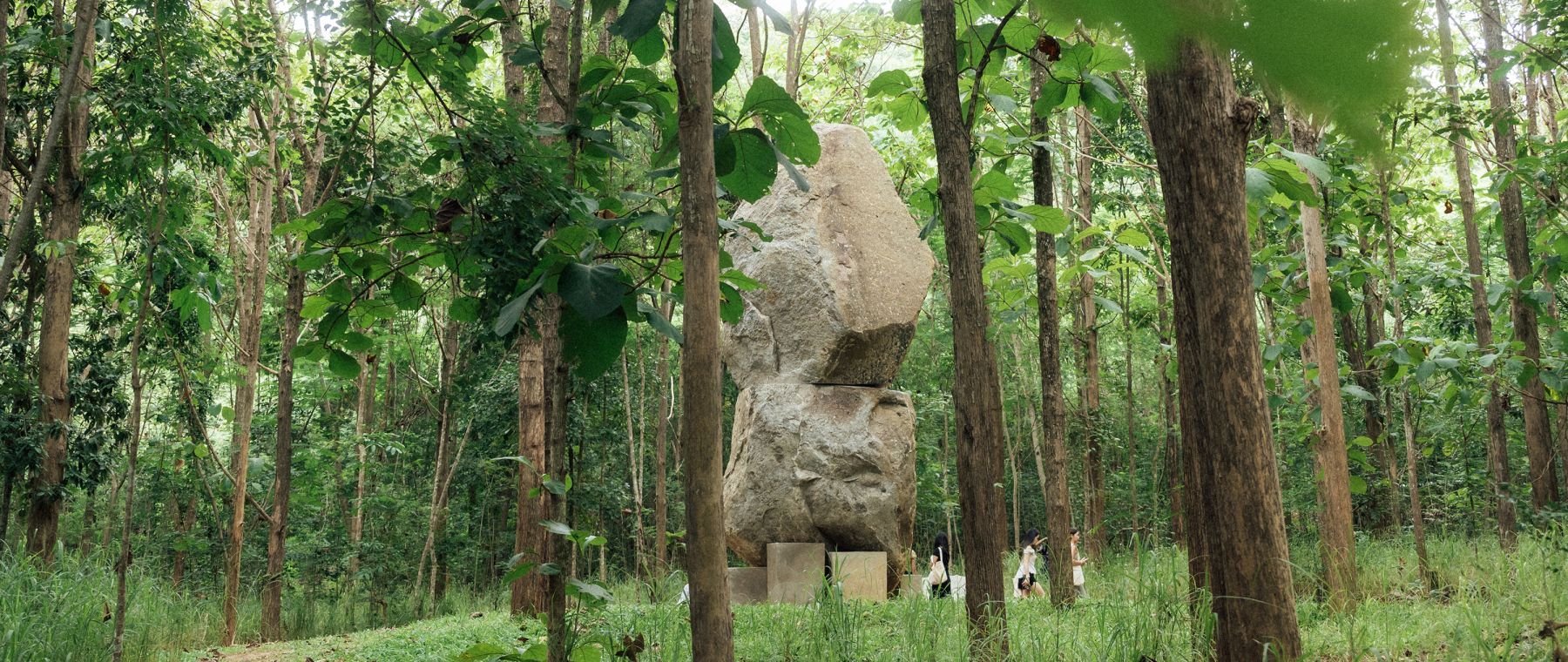
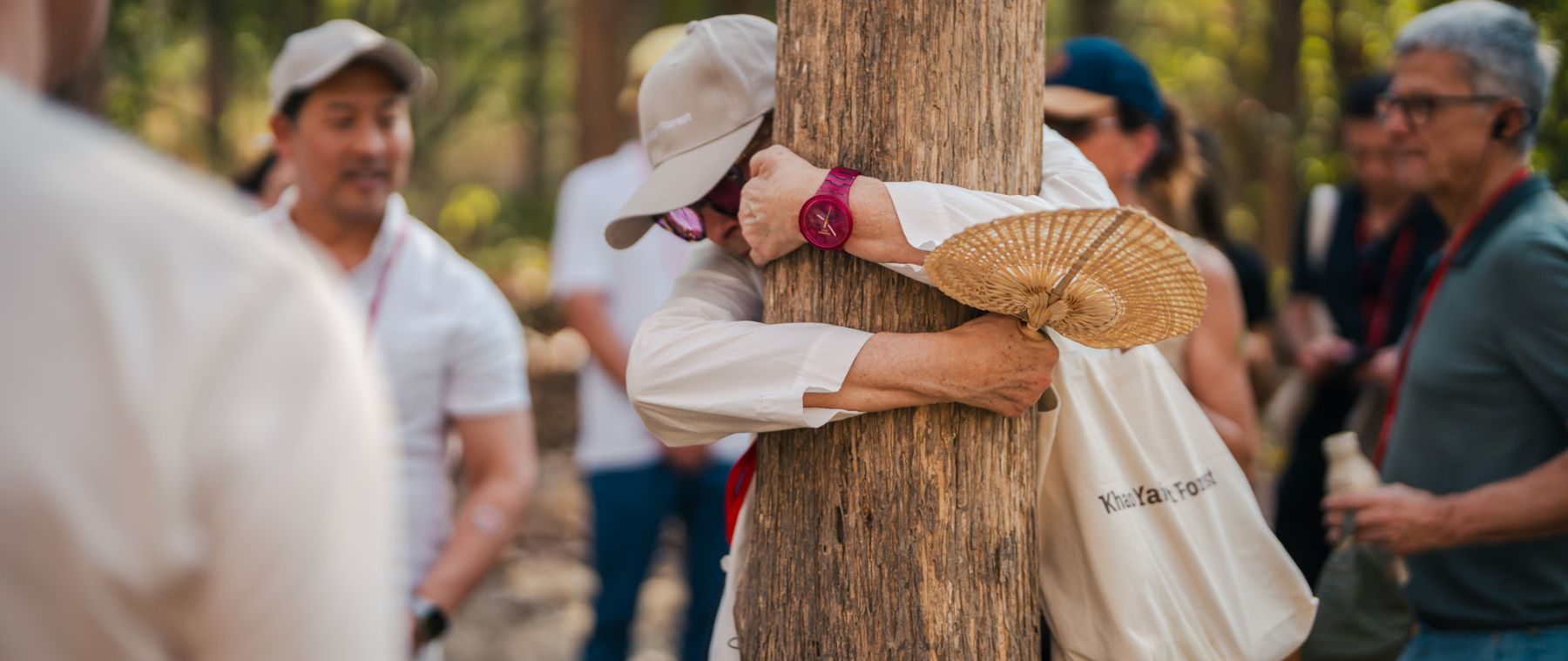
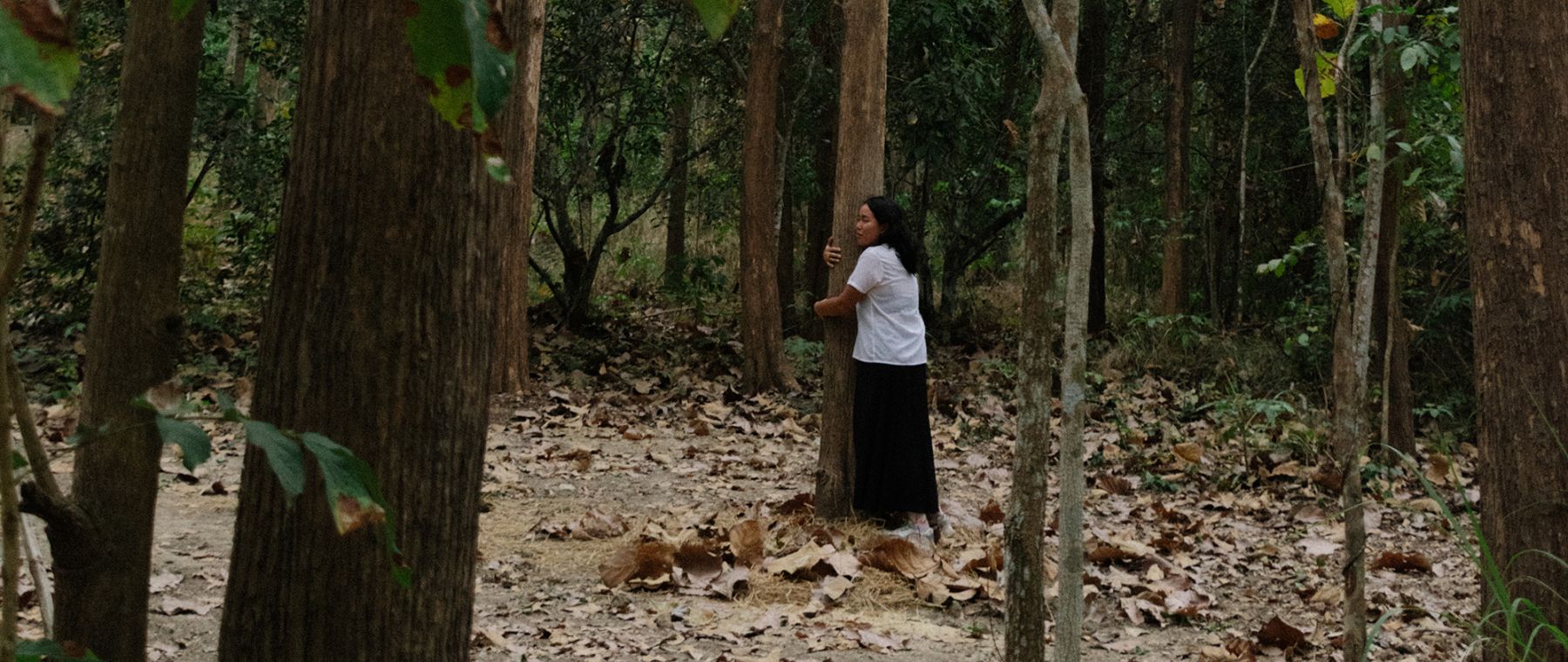
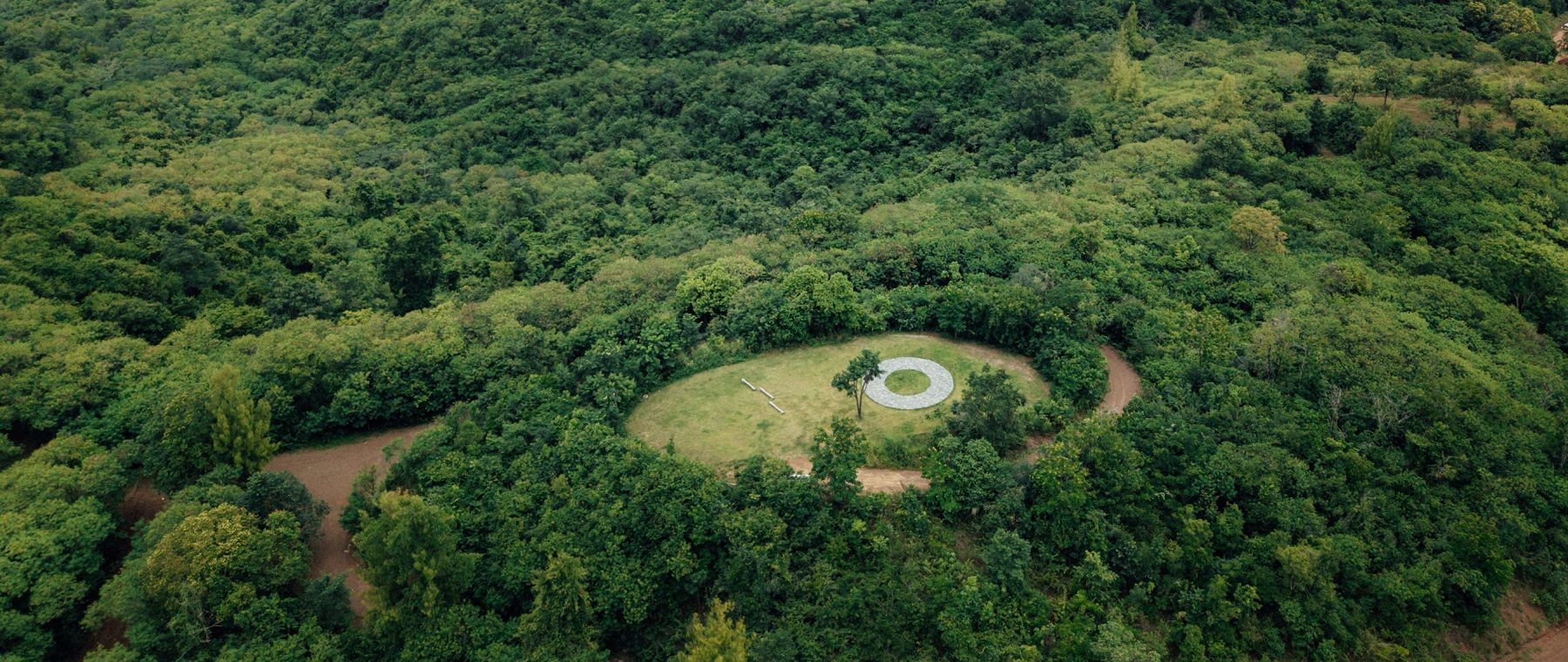
Founded by Marisa Chearavanont, with Stefano Rabolli Pansera as its founding Artistic Director, Khao Yai Art Forest is an experimental institution dedicated to the relationship between contemporary art, architecture and ecology. Located near Khao Yai National Park in Thailand, it occupies approximately 530 rai of land, where artistic interventions, ecological restoration and agricultural practices contribute to the regeneration of a living landscape.
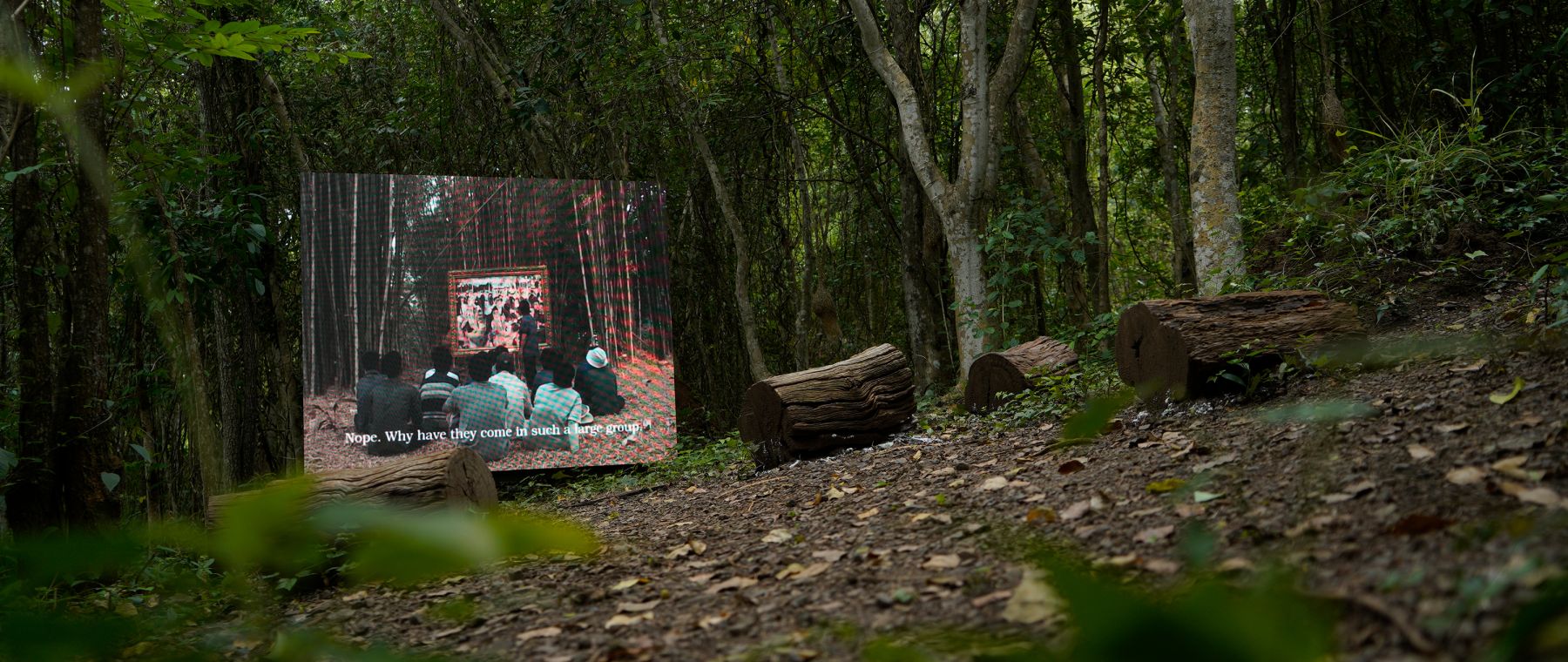
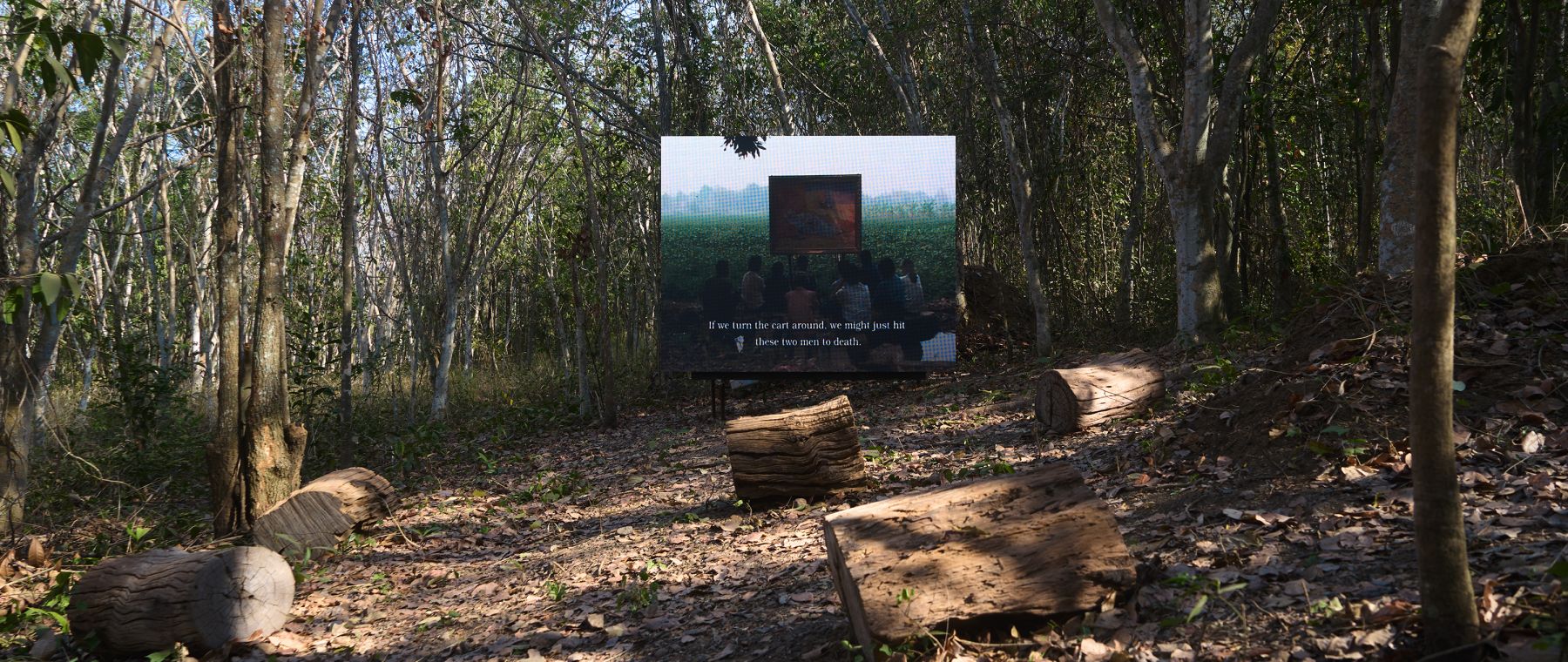
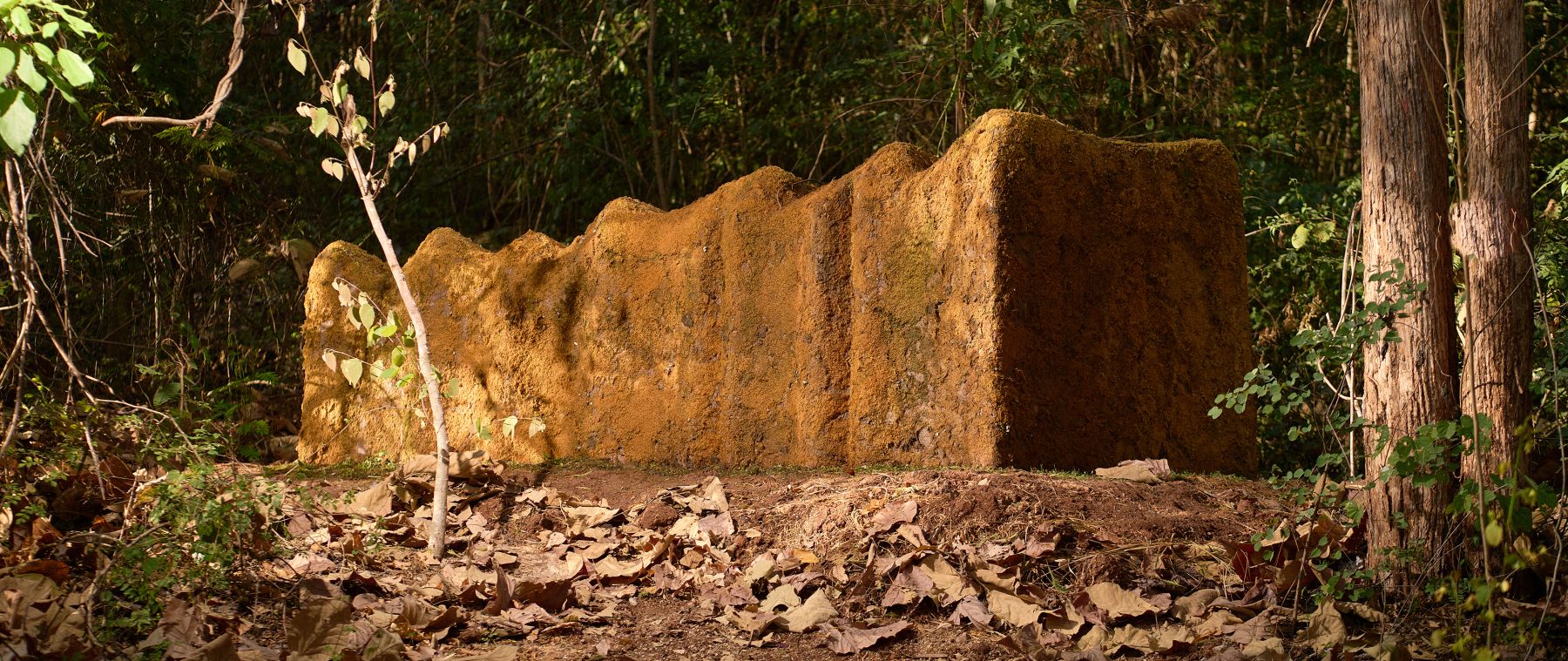
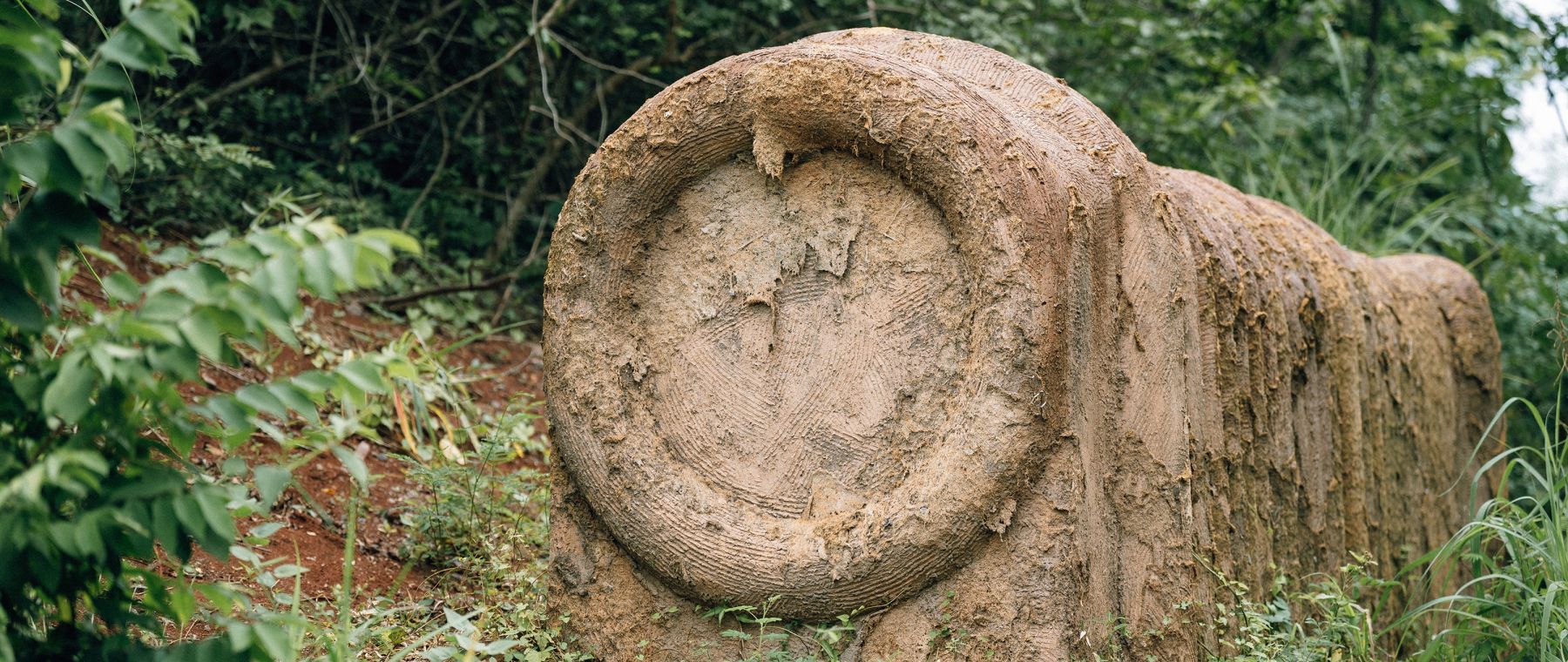
Khao Yai Art Forest proposes a different institutional model: a museum without walls, where the landscape is not merely a setting for artworks but an active participant in their production and experience. Rather than imposing architectural structures upon nature, the project explores how artistic practices can reveal the latent forces, processes and temporalities already operating within the environment. Art becomes a means of making perceptible what would otherwise remain invisible.
This approach develops the proposition of Land Art 2.0: moving beyond the monumental transformation of territory towards practices that reveal, inhabit and participate in ecological processes. The forest is understood not as a static landscape to be contemplated, but as a complex system of relationships between living organisms, matter, climate and human activity.
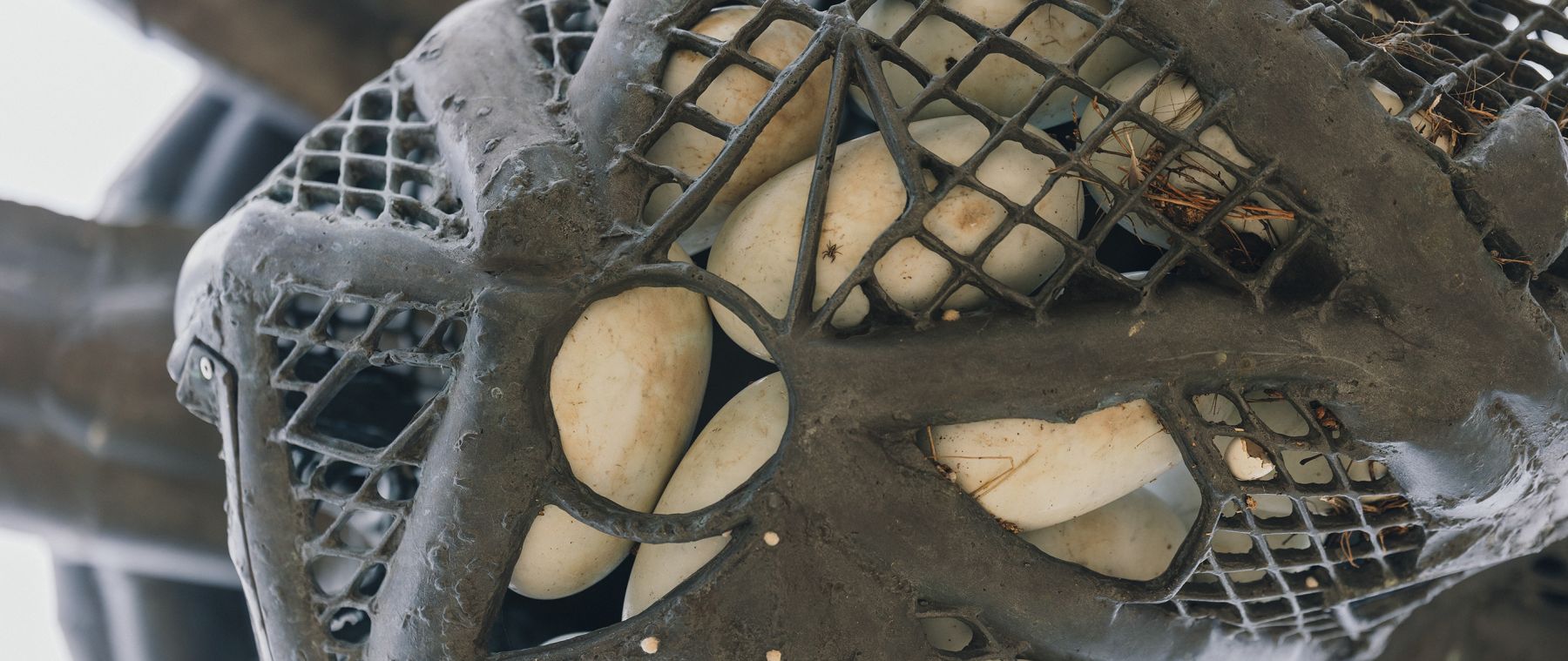
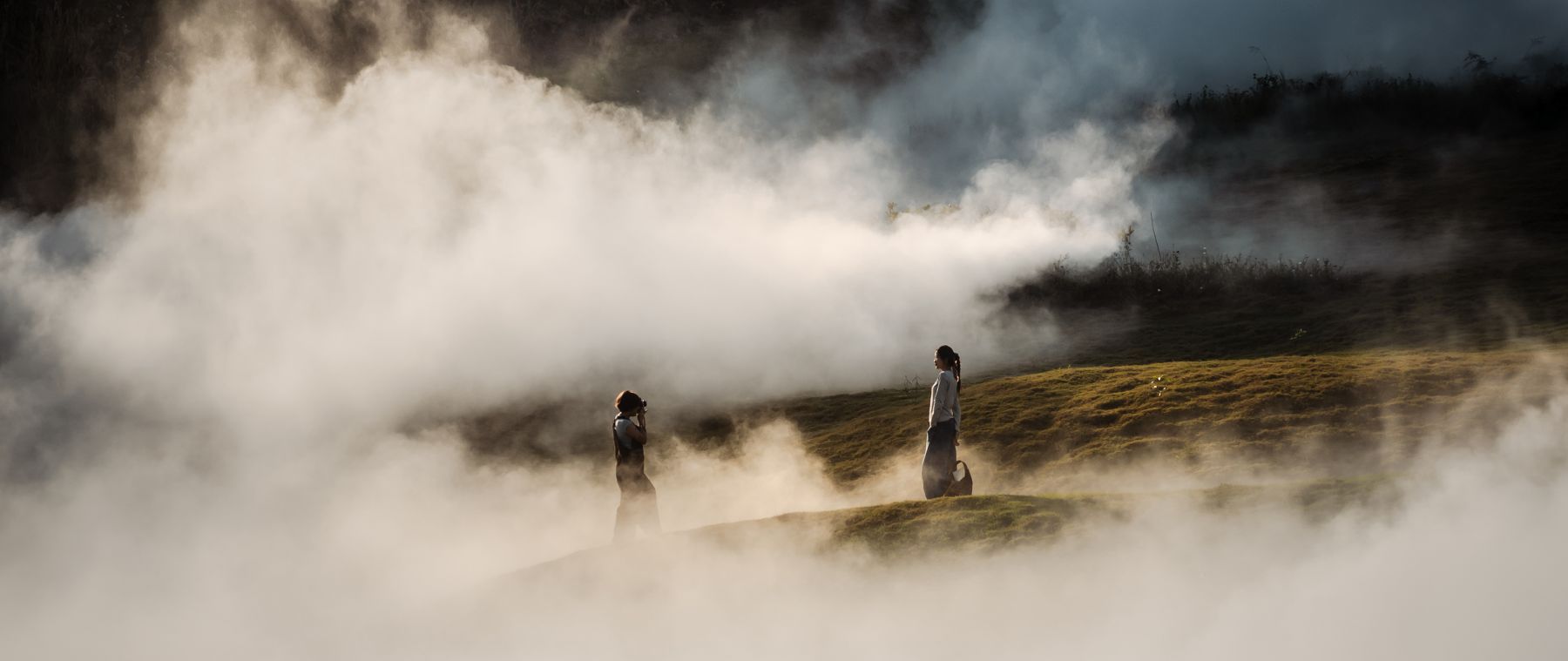
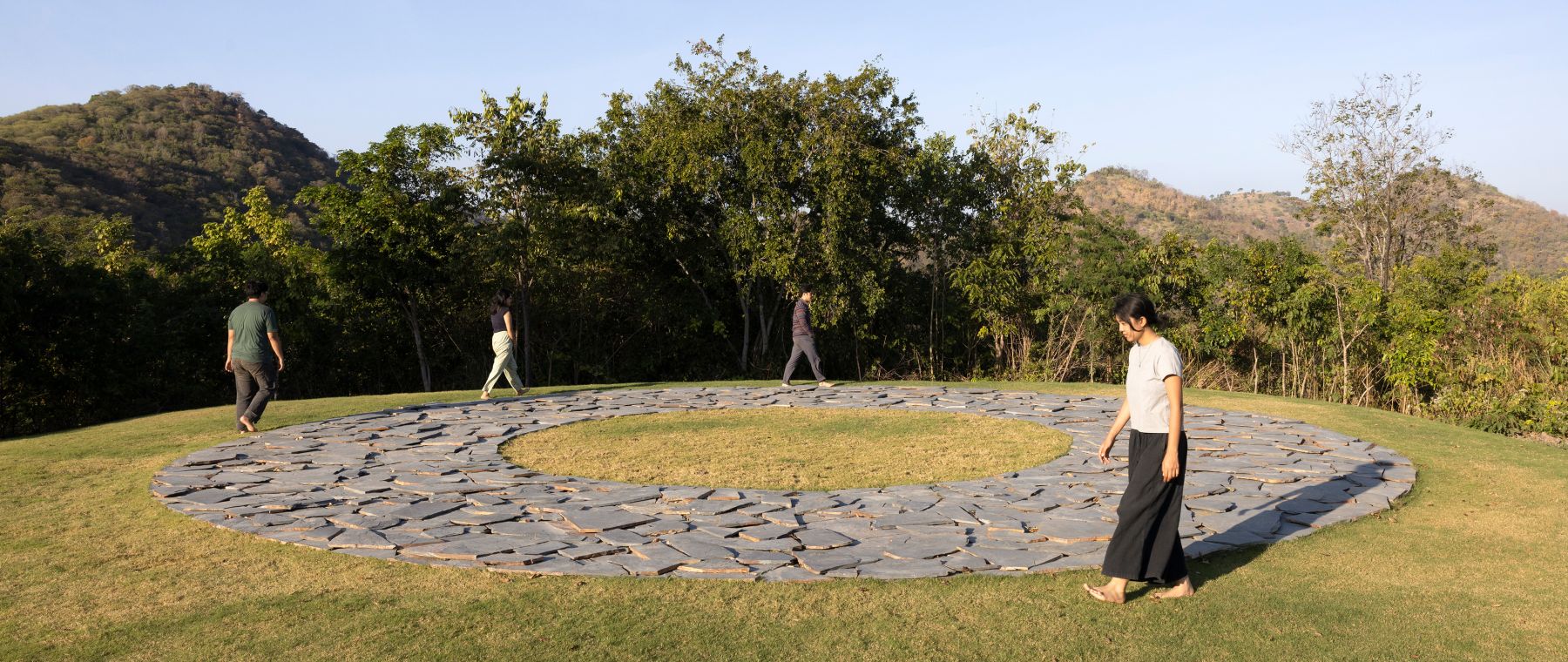
The artistic programme brings together Thai and international artists whose practices investigate these relationships. Works by Fujiko Nakaya, Louise Bourgeois, Richard Long and Araya Rasdjarmrearnsook, alongside Dial-A-Poem Thailand and Renato Leotta’s Gift to Entropy, explore different relationships between artistic form, natural phenomena, human presence and material transformation.
These interventions are not isolated objects but part of an evolving ecological project. Native reforestation, water management, edible gardens and agricultural experimentation establish a continuity between artistic production and environmental stewardship. The institution develops through processes of growth, decay, adaptation and regeneration, embracing the temporalities of the forest rather than imposing the permanence of conventional museum architecture.
Together with Bangkok Kunsthalle, Khao Yai Art Forest articulates a broader proposition: art as an act of healing, addressing the natural forest and the urban jungle through complementary practices of care and transformation.
Ultimately, Khao Yai Art Forest understands curating as an architectural act of making room: physically, through the preparation and levelling of the ground to accommodate art; and metaphorically, by creating the conditions for new forms of dwelling, collective experience and cultural imagination.