Counter-Urbanism
Counter-urbanism is the ensemble of texts, interventions, and exhibitions that interrogate and expand the conditions of dwelling. Rather than treating urbanization as the accumulation of built volume, counter-urbanism privileges relational, processual, and site-responsive practices that recompose spatial, social, and ecological relations.
- On collecting,
Panza Collection - Map and Territory:
Environmental Art from the Panza Collection - By Artist, On Artist
- Earthly Delights
- Breathe
- Iconoclasm:
A Trilogy in the Form of a Liturgy
On collecting,
Panza Collection
“A collection is a very particular kind of accumulation. There is nothing of the inert object in it for those who acquire it. The issue is less about accumulating than about surrounding oneself with works that have a life and a life-giving quality of their own. They constitute a living presence that transforms us.”
Giuseppe Panza
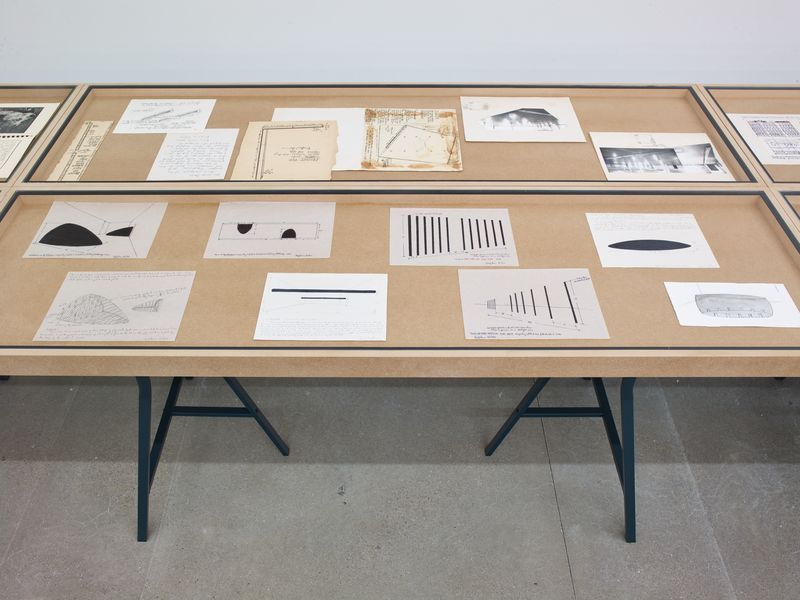
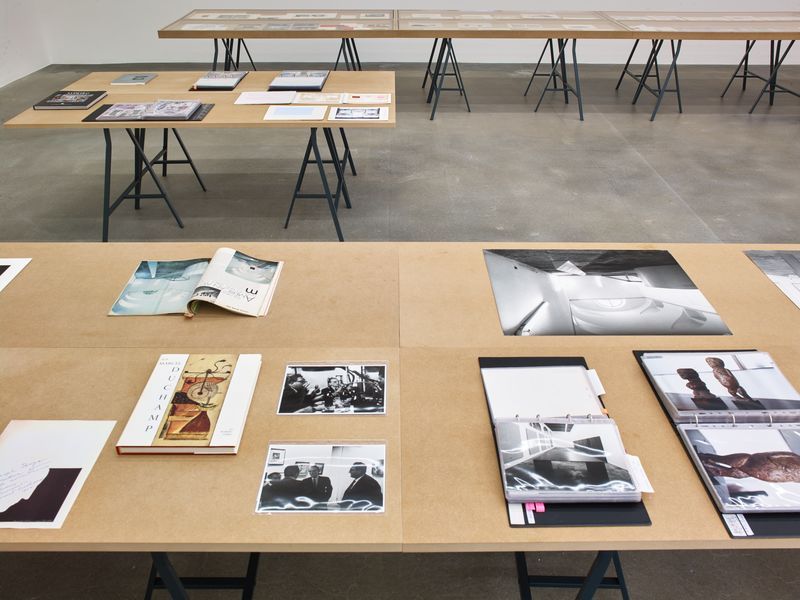
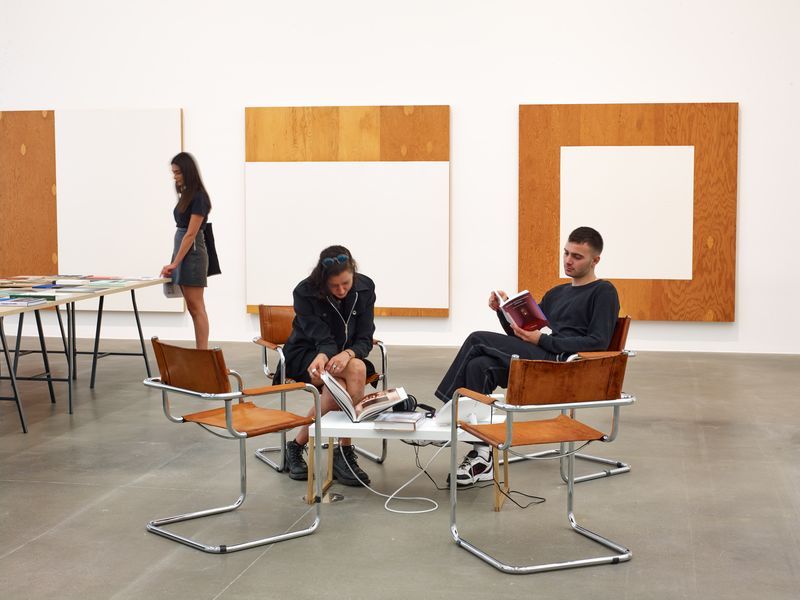
In 2018, Hauser & Wirth presented On Collecting. Panza Collection Archives, a project exploring the archives and collecting practices of Giuseppe and Giovanna Panza, whose collection played a fundamental role in introducing American Minimal and Conceptual art to European institutions.
The exhibition approached collecting as an intellectual and curatorial practice rather than the accumulation of objects. Through archival materials presented publicly for the first time, it revealed Giuseppe Panza’s rigorous methods of selecting artworks, their meticulous documentation, his correspondence with artists, and the precision of his curatorial approach. Particular attention was given to the different modes of displaying artworks in domestic environments and institutional spaces, demonstrating how collecting and exhibiting were inseparable activities.
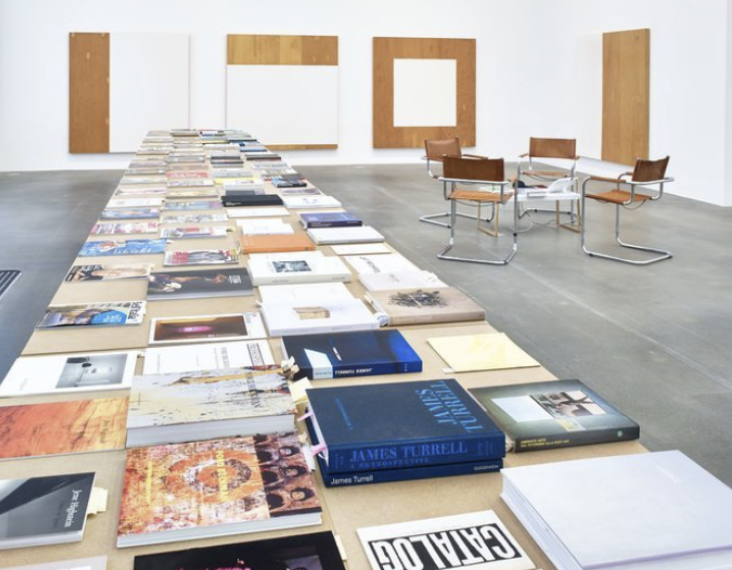
Conceived as a reading room, the installation organised books, correspondence, photographs, personal drawings and unrealised projects in rows reminiscent of a library. This arrangement reflected Panza’s understanding of art as a philosophical pursuit of truth and exhibiting as a vehicle for communicating knowledge. The study room was simultaneously an exhibition model and a curatorial method, transforming the archive from a repository of documents into a space of intellectual inquiry.
The presentation also included plywood paintings by Ford Beckman, the realisation of Sol LeWitt’s Wall Drawing No. 150 (1972) as a performative action, and a programme of screenings and public conversations.
The project revealed that a collection is not simply a repository of artworks but a living structure of relationships, ideas and possibilities.
Map and Territory:
Environmental Art from the Panza Collection
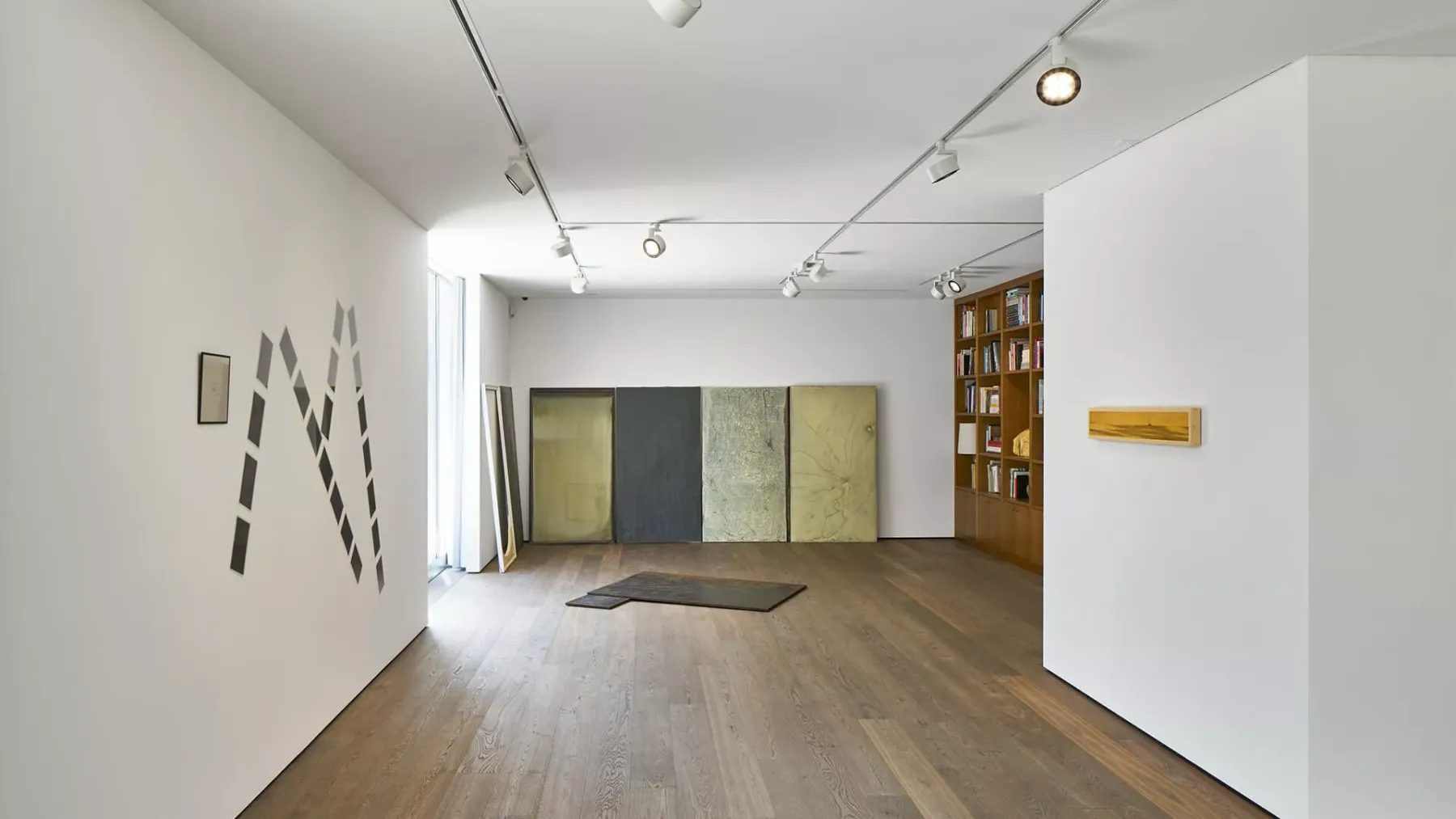
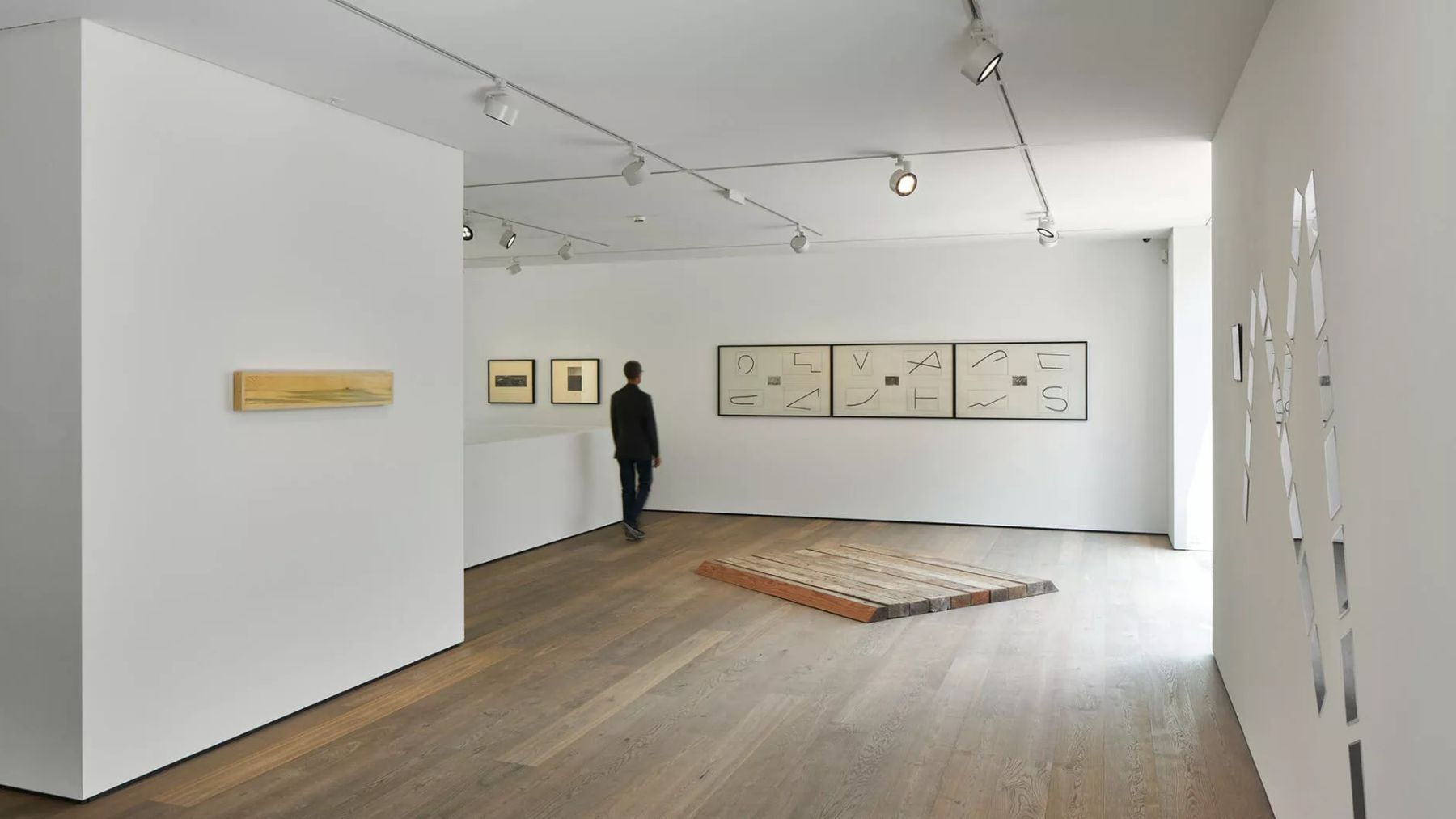
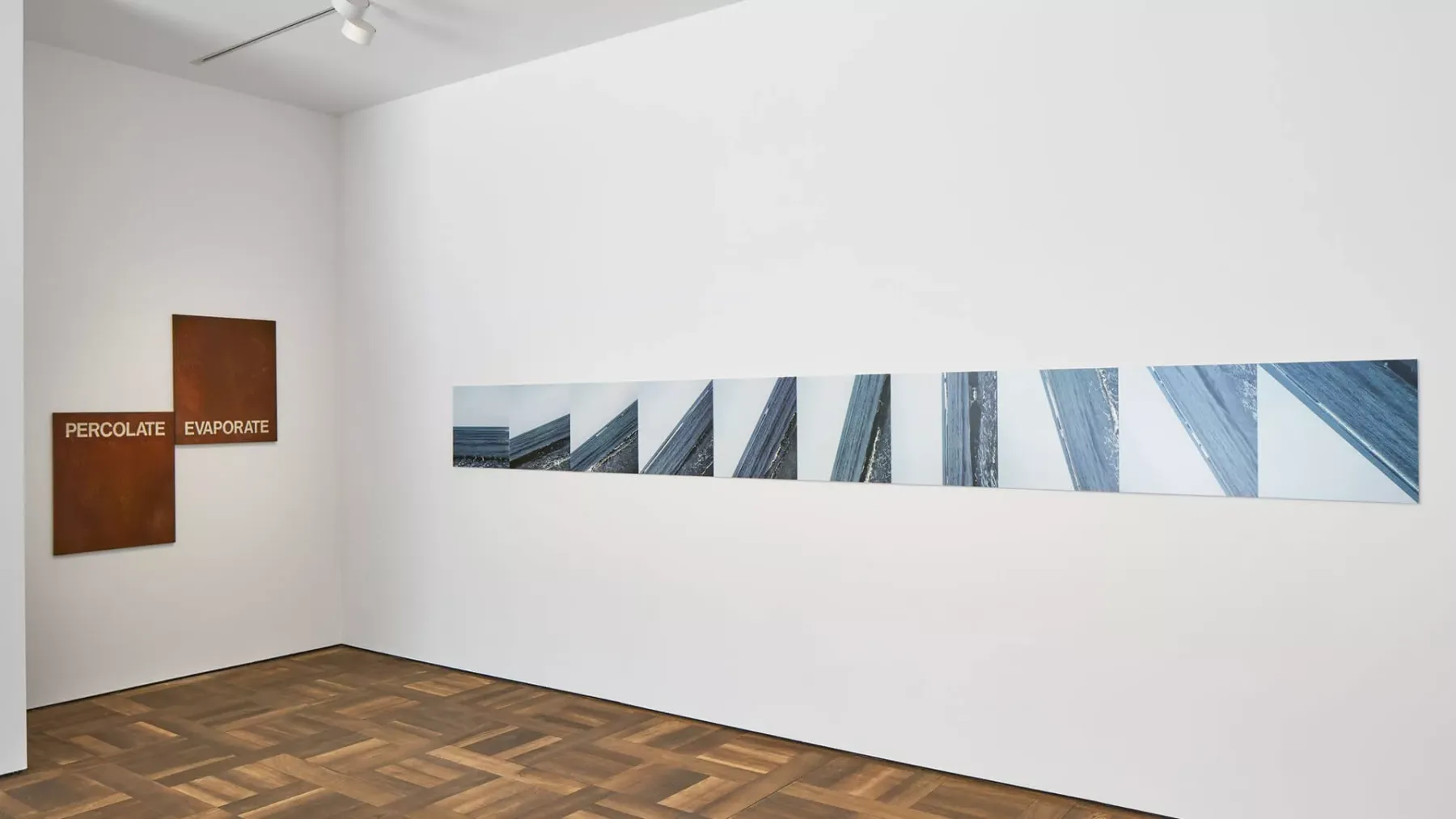
Map and Territory: Environmental Art from the Panza Collection explored the relationship between nature and its representation, examining how artists associated with Minimal, Conceptual and Environmental Art revealed the underlying structures and patterns of the natural world.
Giuseppe Panza was among the earliest collectors to recognise the significance of Environmental Art, even envisioning an unrealised museum dedicated to it. His interest in nature was both philosophical and ethical. The exhibition proposed that representing nature does not necessarily mean reproducing its appearance, but revealing the principles through which nature generates form. Artistic intervention makes these intrinsic patterns perceptible through artificial means. The map is not merely an image of the territory, but an instrument for understanding its underlying relationships.
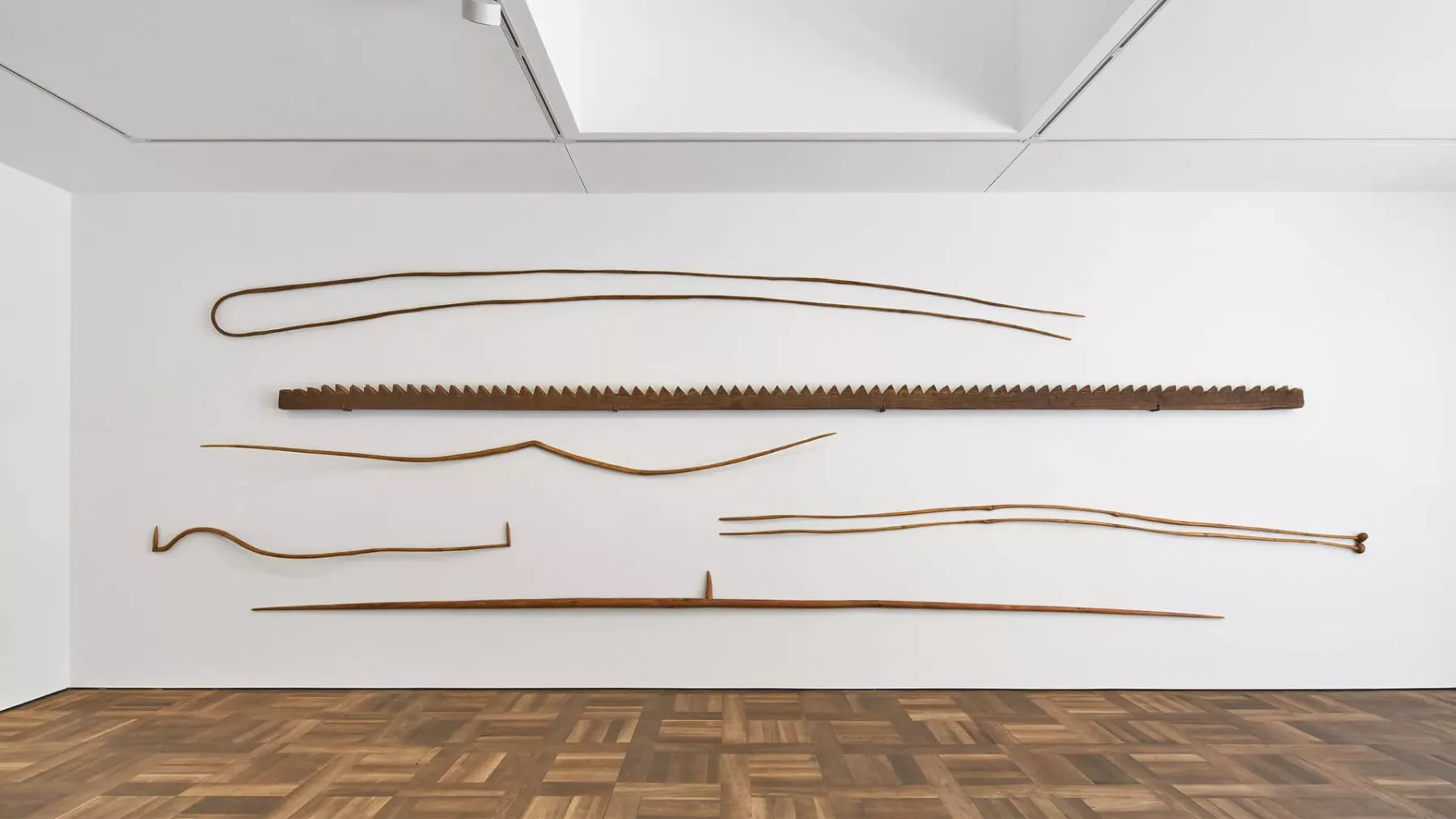
This proposition was particularly evident in Martin Puryear’s Some Tales (1975–1978). Through the selection and transformation of wooden branches, Puryear articulated the organic principles of growth and curvature without imitating natural forms. As Panza observed, his forms “were not geometric and rational but followed the twisting of living and growing things.” Artifice becomes a means of revealing nature’s generative logic rather than opposing it.
Across the exhibition, geometry, material transformation, language, photography and bodily movement became instruments for understanding nature, revealing relationships that would otherwise remain imperceptible.
Situated within the Engadine landscape, Map and Territory proposed that art does not simply represent the territory but transforms the conditions through which it can be perceived and understood.
By Artist, On Artist
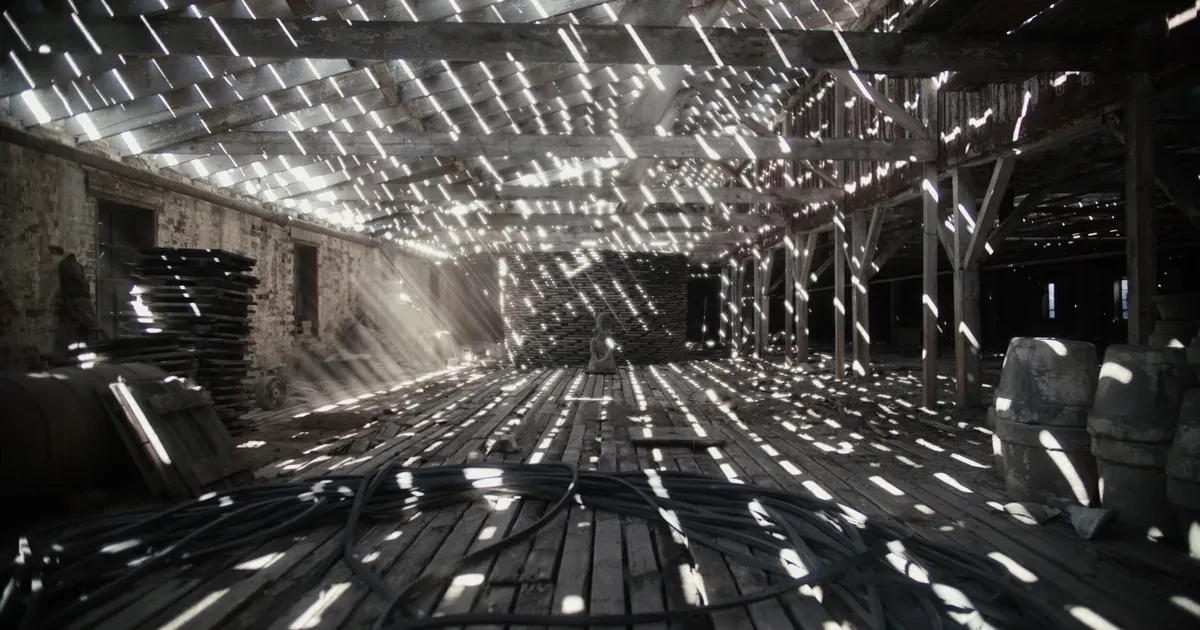
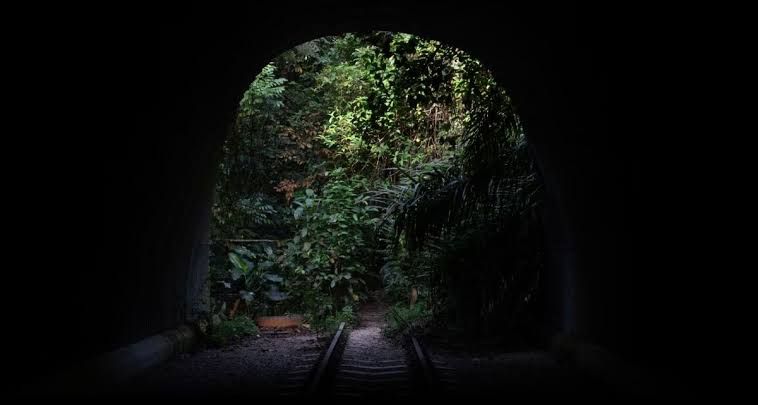
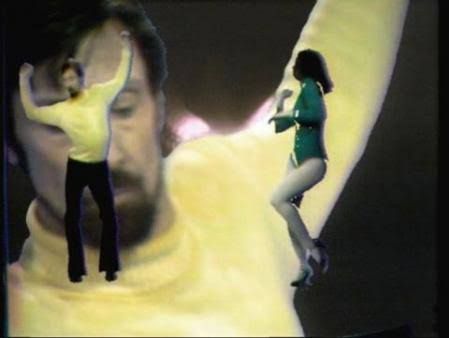
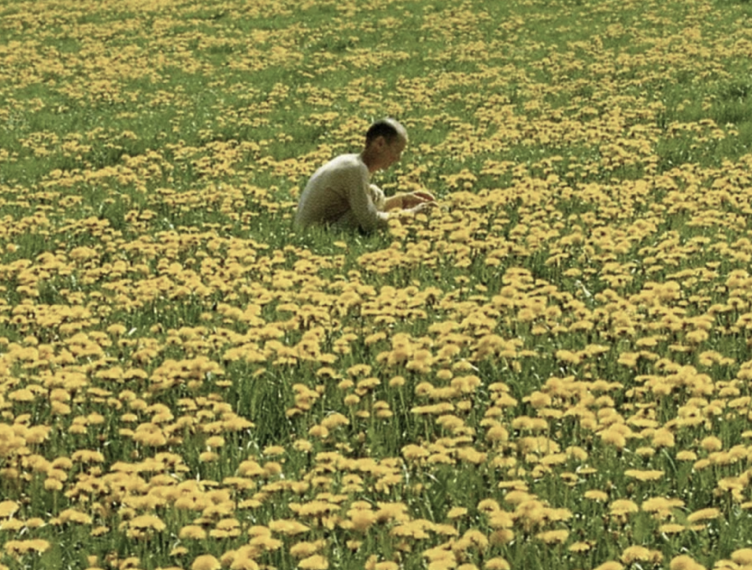
Art SG in January 2025 presented By Artists, On Artists, the FILM programme of Art SG in Singapore. Presented in collaboration with cultural partner Bangkok Kunsthalle and screened at the ArtScience Museum, it was organised into three chapters: Constructing Landscapes, Voices and Signs, and Ruins and Memories.
Earthly Delights
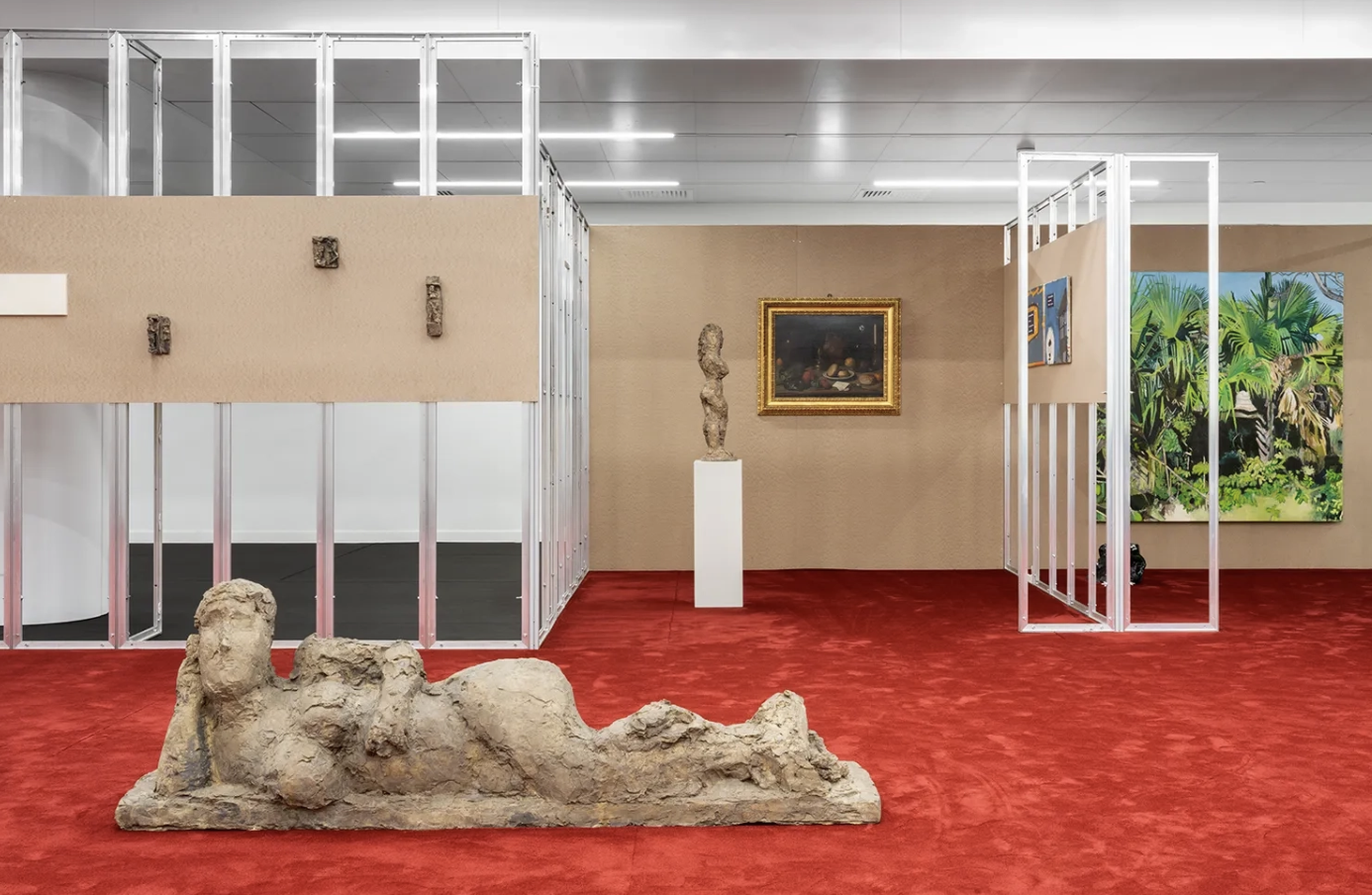
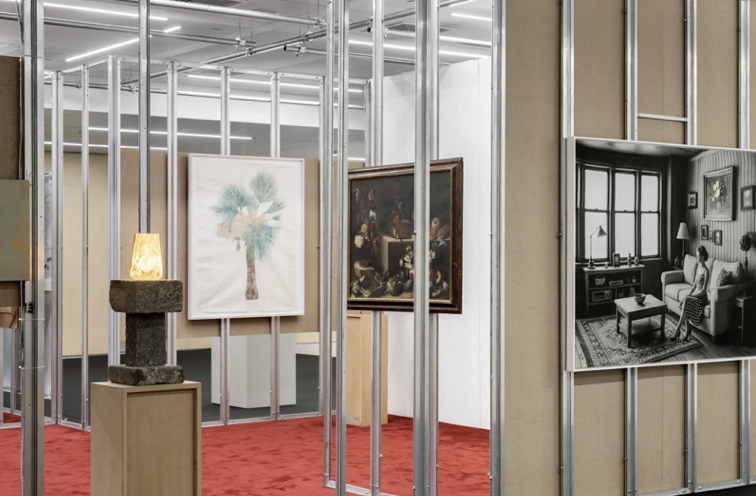
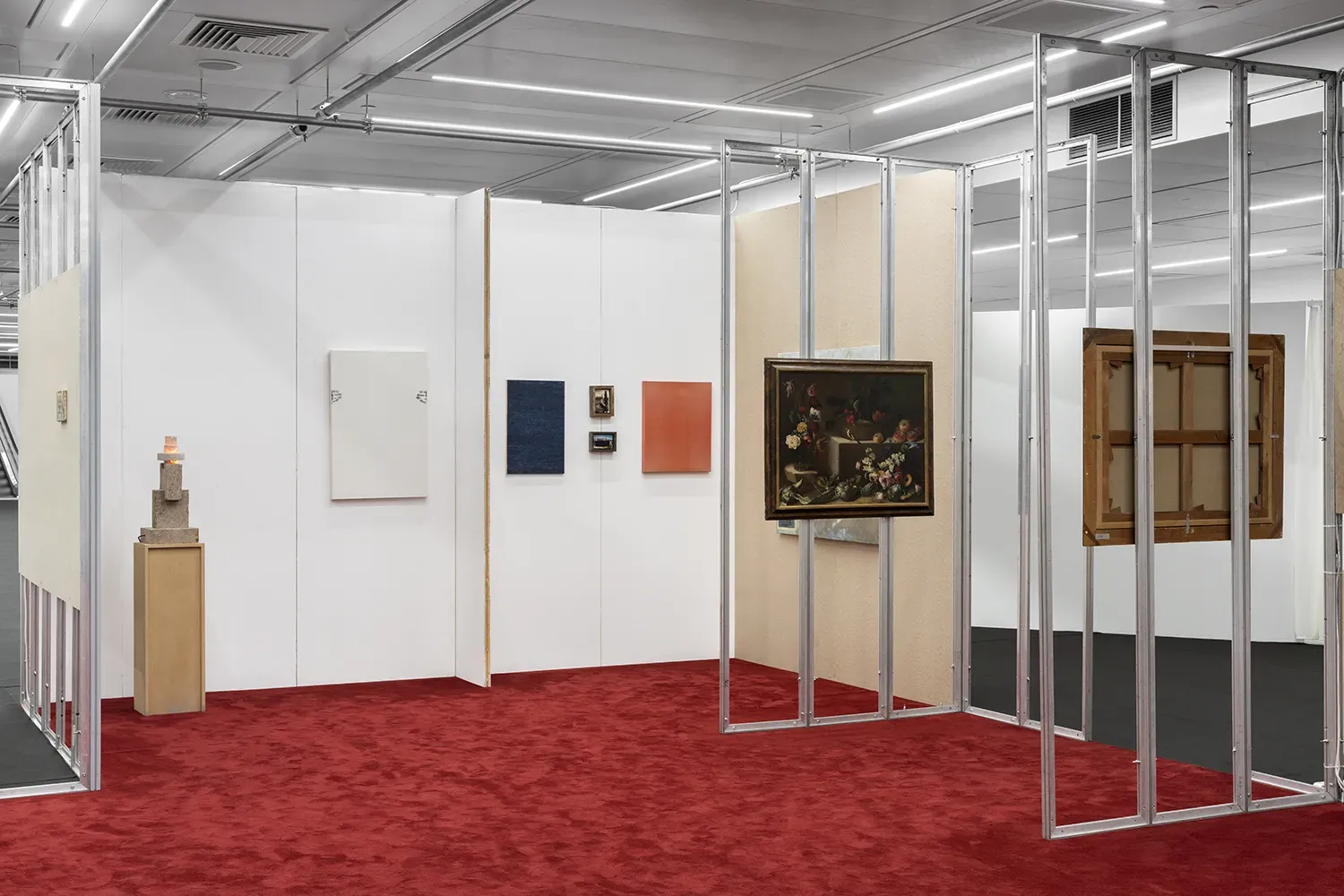
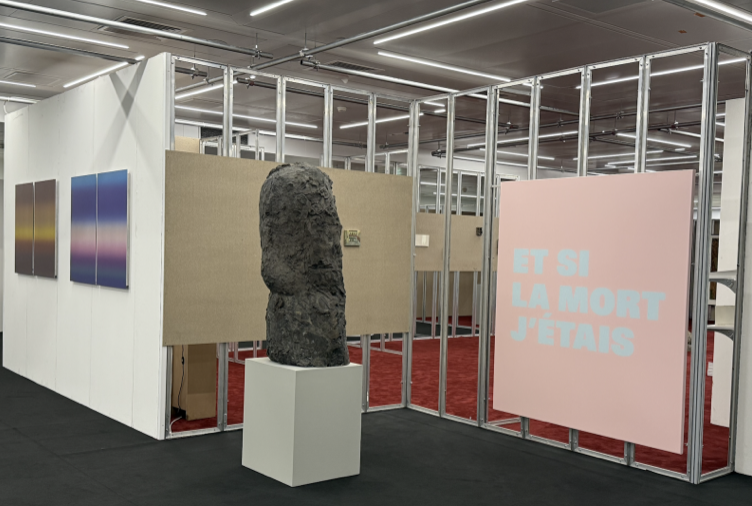
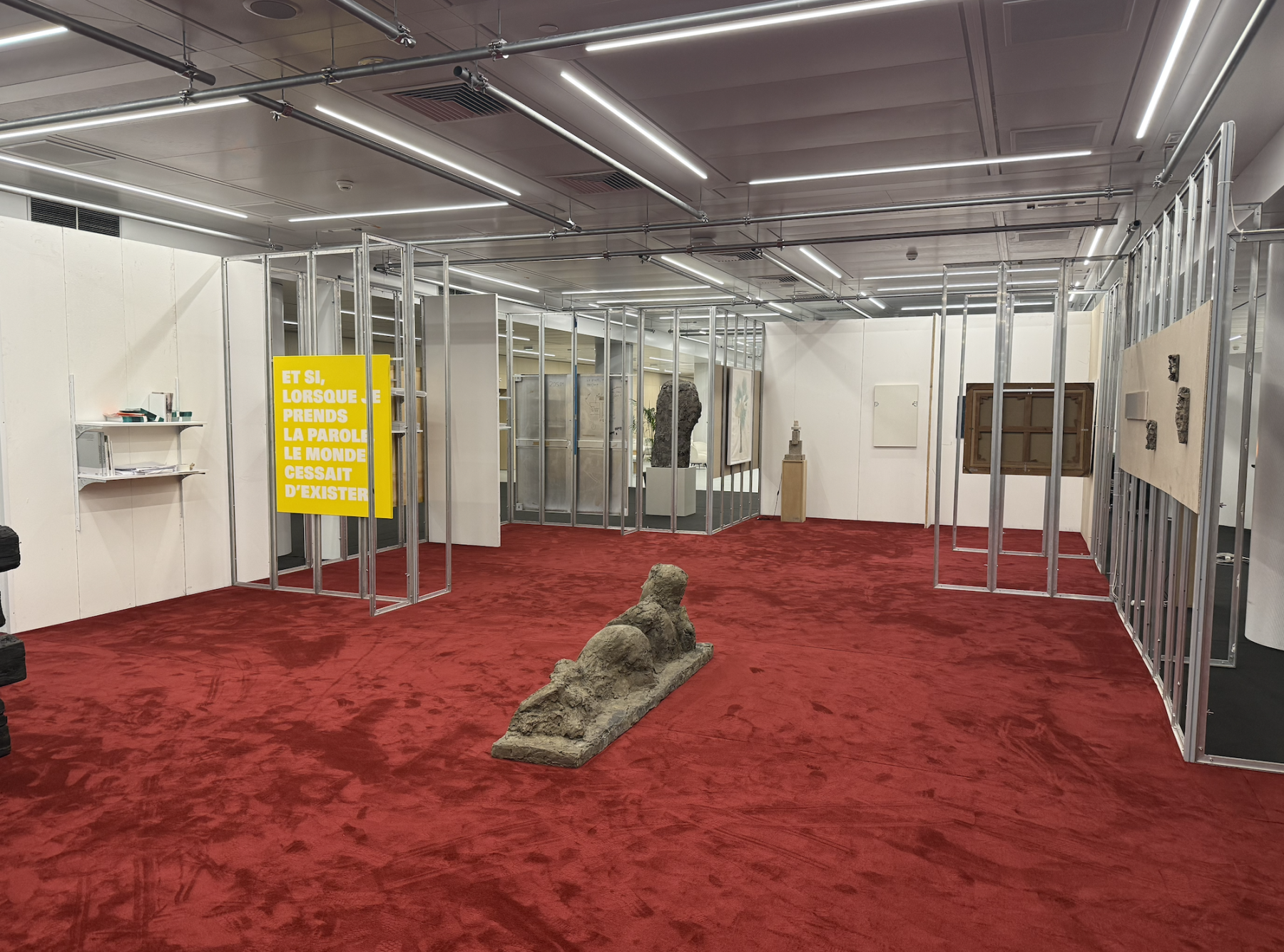
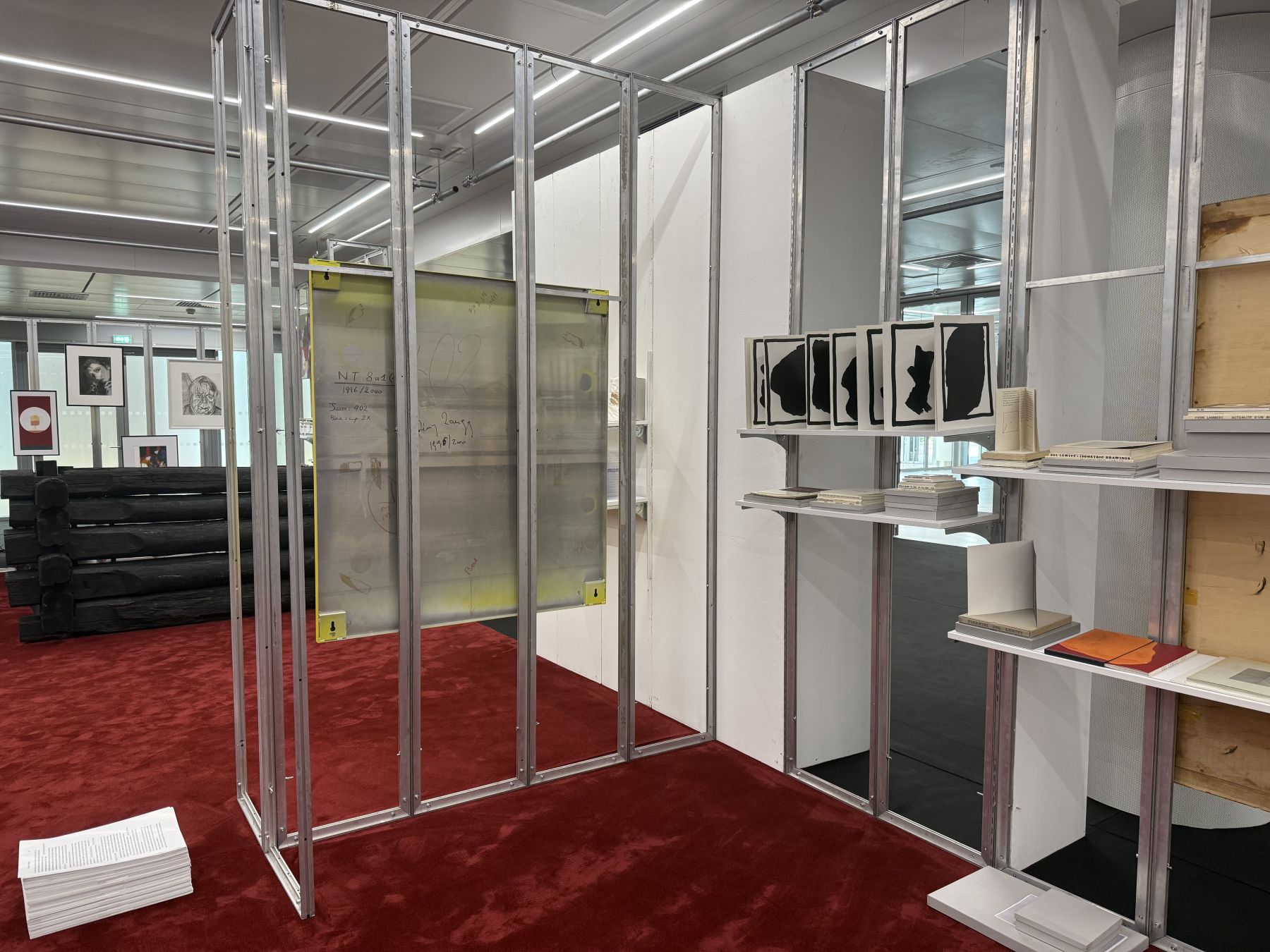
Earthly Delights, curated by Stefano Rabolli Pansera in Art Monte-Carlo, takes the form of a functioning bar: a space conceived to slow the pace of the fair and create an environment for conversation, contemplation, and mental digression.
The exhibition takes its title and inspiration from “Earthly Delights”, Luis Buñuel’s reflections on the bar as a space of imagination, ritual, and introspection. Although deeply rooted in metropolitan life, Buñuel’s ideal bar is less a place of sociability than an oasis of solitude: quiet, dimly lit, almost suspended from the world, where thought can wander and images slowly take shape.
Far from hedonism, Earthly Delights considers the discipline of pleasure as a creative force. For Buñuel, small rituals repeated with almost obsessive precision become instruments for cultivating the imagination. Pleasure resides in attention to detail, sensory refinement, repetition, and the intensity of seemingly modest gestures.
The artworks gathered in the exhibition reflect this attitude. Across different media and generations, actions such as waiting, observing, drawing, tasting, touching, or simply paying attention become artistic strategies. Rather than spectacular gestures, the works privilege intimacy, duration, proximity, and the precise and controlled construction of form.
Featuring around twelve participating galleries, Earthly Delights brings together works by Francis Alÿs, Alvaro Barrington, Leonora Carrington, Marcel Dzama, Hans Josephsohn, Donald Judd, Martin Kippenberger, Bruce Nauman and Stanley Brouwn, alongside Bas Jan Ader, Sol LeWitt, David Hammons, Ed Ruscha, Lucian Freud, Laurie Simmons, Pascale Marthine Tayou and others.
Within Art Monte-Carlo, Earthly Delights proposes the bar as both a physical setting and a state of mind: a place where pleasure becomes creative practice and ritual becomes a way of dwelling in the world.
Breathe
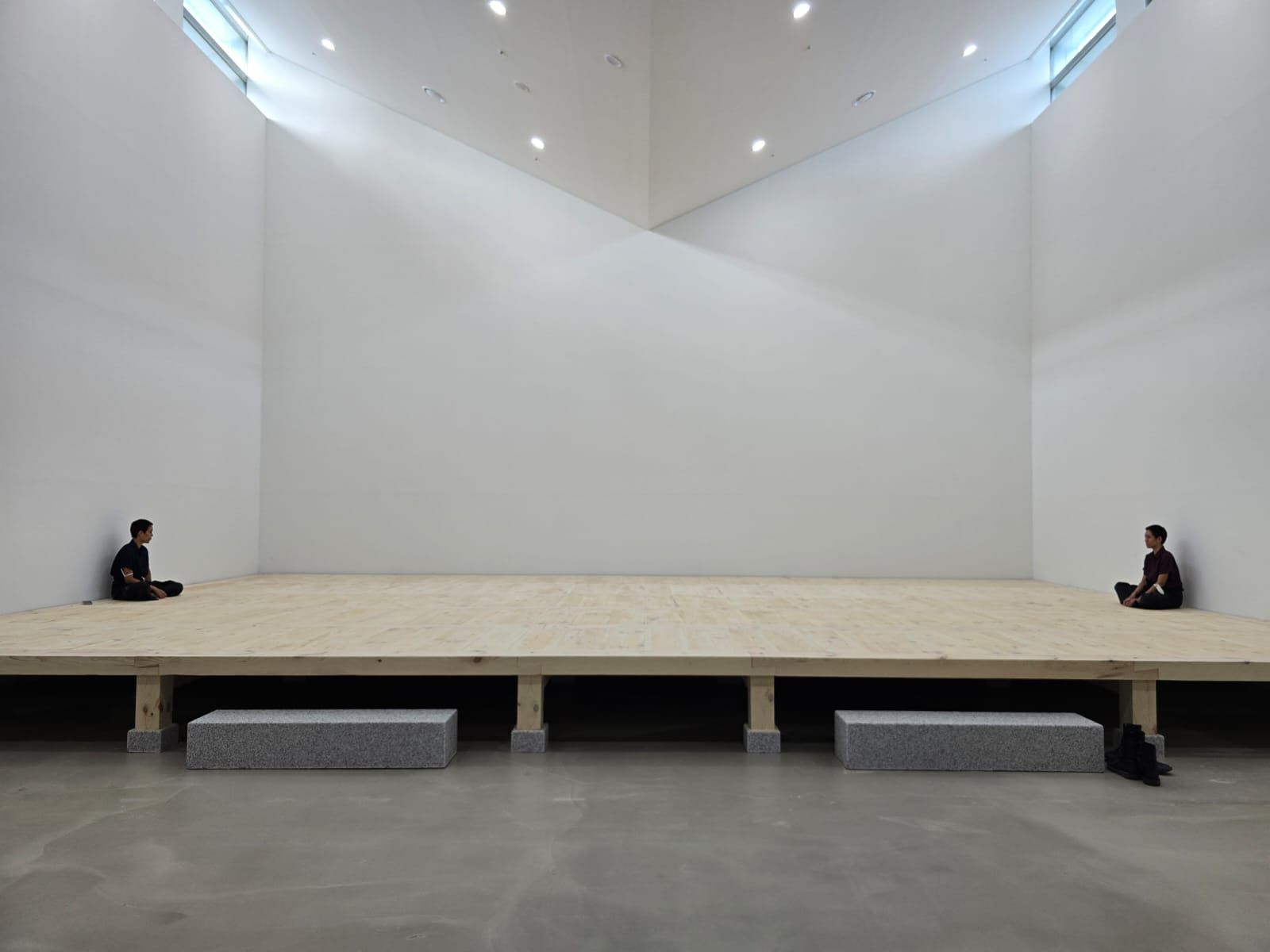
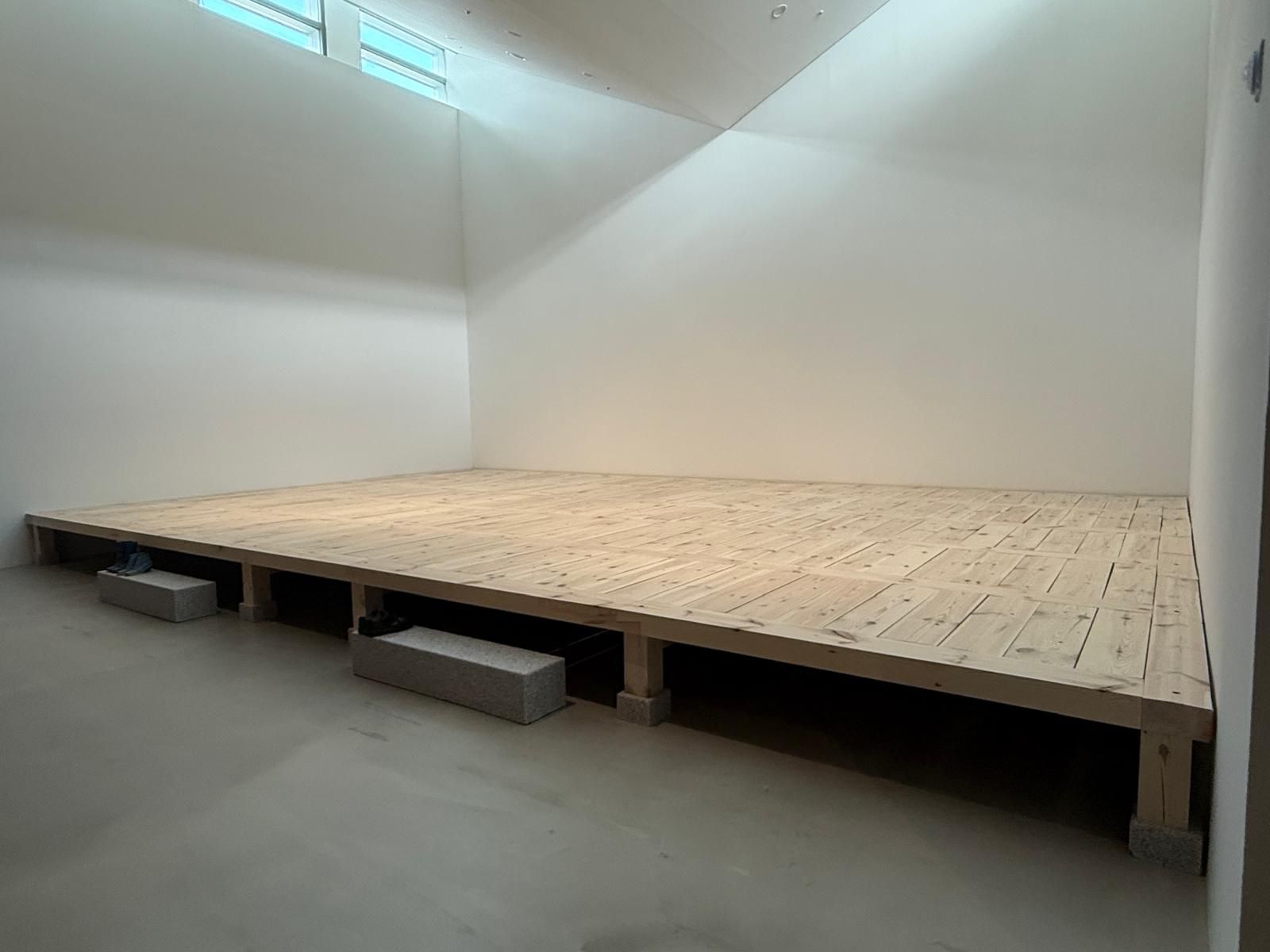
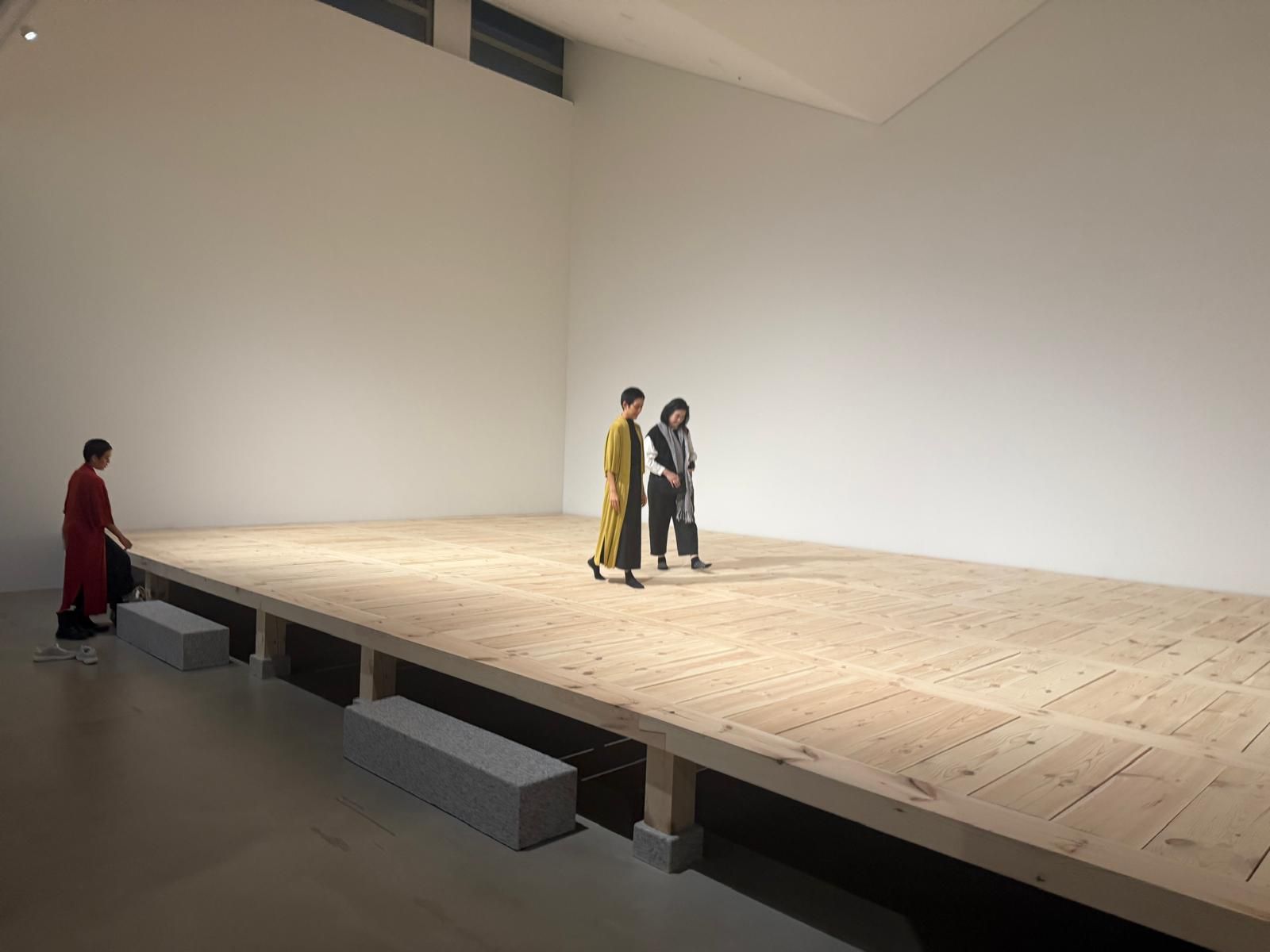
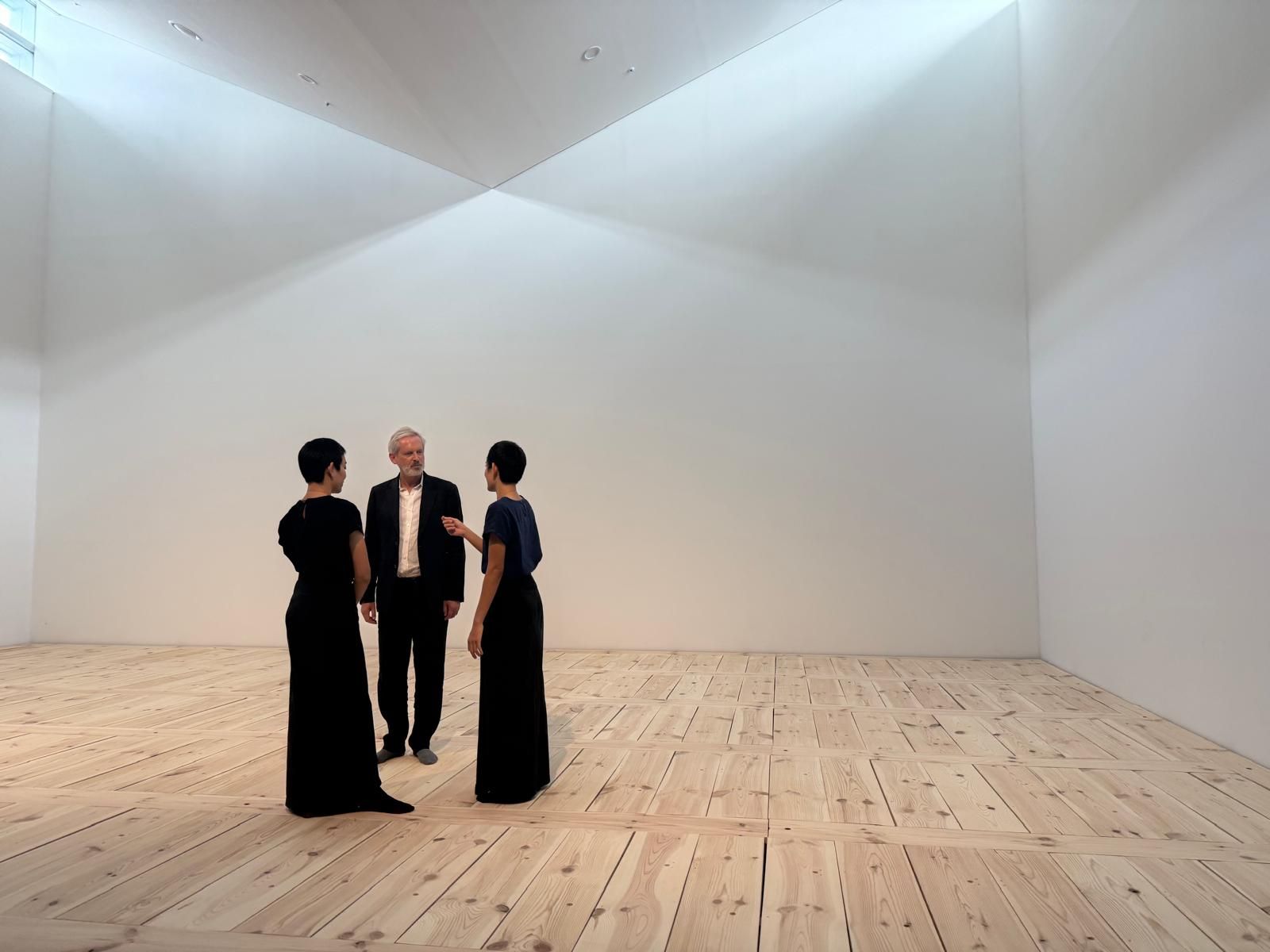
Breathe imagines a paradigm for future museology in which architecture, matter, and visitors constitute a shared ecology. Conceived as a raised timber platform, the installation reimagines the museum as a living environment where knowledge is experienced through attentive listening and collective dwelling.
At the heart of the installation is Umul-maru, the traditional Korean Hanok flooring system, understood not simply as a construction technique but as a relational technology. Composed of independent wooden elements that connect without hierarchy or domination, it embodies an architecture of coexistence. PuPla Trikaewprasert allows Umul-maru to breathe, revealing wood as a living archive that continuously registers humidity, temperature, and time. Through the subtle phenomenon of stick-slip sound, the floor renders perceptible the invisible exchanges between architecture and its environment, demonstrating that matter is never inert but remains in constant dialogue with the forces that surround it.
Visitors are invited to slow down—to sit, lie down, read, converse, meditate, or simply remain still. The work transforms the museum into a space of shared attention, where gathering occurs not around an object but around a condition of presence.
Extending the curatorial philosophy of Khao Yai Art Forest, Breathe brings the ecological intelligence of the forest into the museum. It imagines a public institution hospitable not only to people but also to the agency of matter itself. In doing so, it redefines the museum as an ecosystem of relationships—a place where listening becomes a form of knowledge, dwelling a curatorial practice, and healing a collective condition.
Iconoclasm:
A Trilogy in the Form of a Liturgy
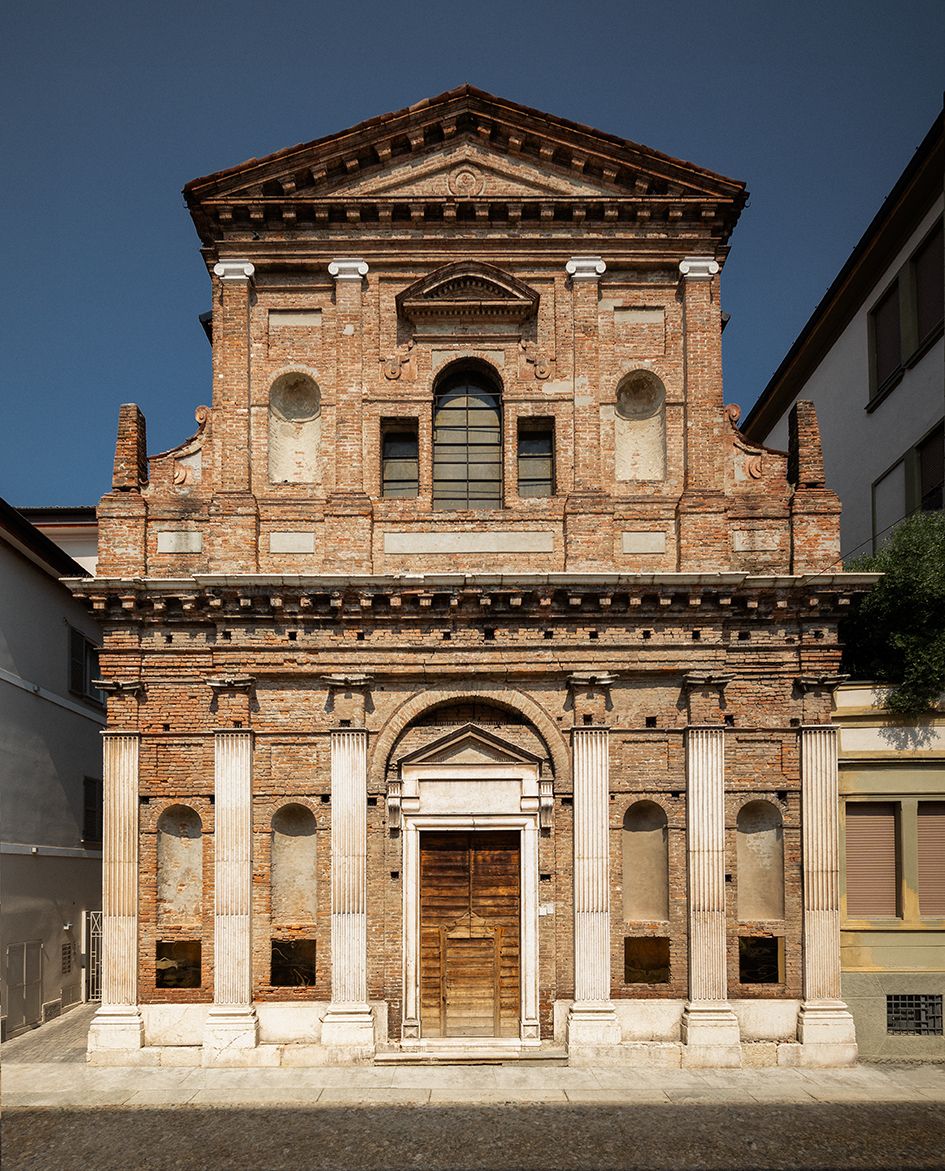
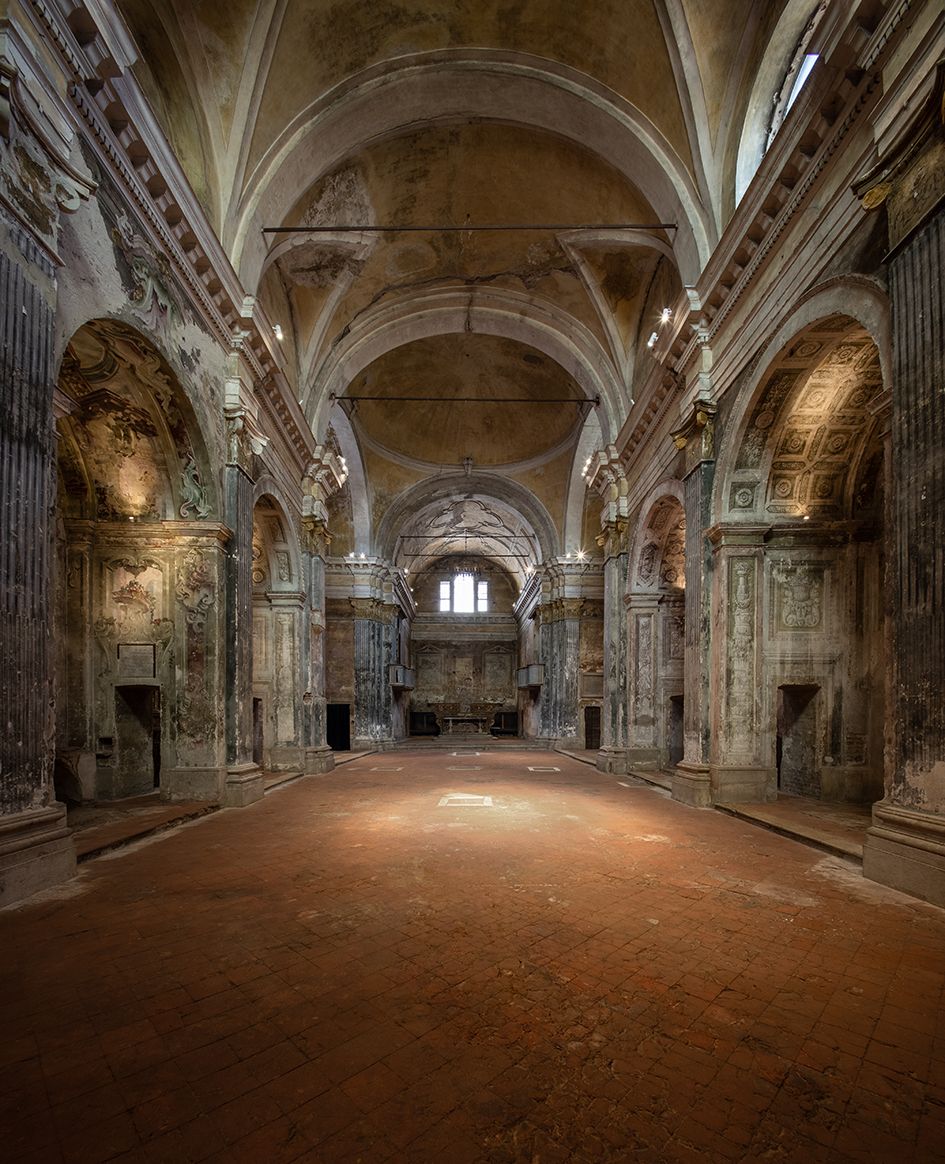
The trilogy on Iconoclasm at San Carlo Cremona investigates the nature, role and destiny of the image within the Western tradition. Its three acts explore the moment when vision, hearing and touch become insufficient to grasp what is present.
Iconoclasm is understood not merely as the destruction of images or rejection of the social, political and cultural orders sustaining them, but as a critique of the desire to possess presence through representation. The traditional danger of the image is idolatry: mistaking representation for what it represents, containing the Divine within an object fixed and made available to vision. A more radical iconoclasm occurs when the image withdraws precisely as it promises to reveal presence.
Jean-Luc Nancy identifies this condition in Noli me tangere, the biblical encounter between Mary Magdalene and the resurrected Christ, who cannot be retained by eye, ear or hand. A similar paradox unfolds on the road to Emmaus: precisely when the disciples recognise Christ, “he vanished from their sight.” Revelation produces disappearance. What remains is not an image but a transformed way of seeing: a trace, a memory, an absence that paradoxically generates presence.
Recognition and disappearance coincide. Truth emerges through the withdrawal rather than the permanence of the image. Vision becomes understanding when physical sight reaches its limit. Iconoclasm therefore exceeds the opposition between figuration and abstraction: a work may contain a body, face or voice and remain profoundly iconoclastic if it resists becoming an image that can be possessed.
If Noli me tangere and Emmaus reveal presence through the withdrawal of the image, San Carlo embodies the inverse condition: the image surviving the withdrawal of meaning. Iconoclasm is already inscribed in the building’s history.
Once a consecrated church, San Carlo progressively lost its religious function, becoming a storage space, a school gymnasium and eventually an exhibition venue. Yet its architecture, frescoes and altar remain intact. What disappeared was the symbolic order that once connected them. The three acts begin from this question.